200A 400V Fast Recovery Diode Buyer’s Checklist: 5 Must-Ask Questions
When selecting a 200A 400V fast recovery diode for power electronics applications, whether it’s for UPS systems, motor drives, or industrial power converters, it's essential to choose a component that aligns with your system's needs. Fast recovery diodes are critical in high-power applications, ensuring efficient power conversion, minimal losses, and high-speed switching. However, given the vast number of diodes on the market, knowing what to look for is paramount. Here’s a checklist of five must-ask questions to guide your selection process.
1. What is the Diode’s Reverse Recovery Time?
The reverse recovery time (trr) of a fast recovery diode is one of the most critical parameters when evaluating its performance. In high-frequency switching applications, such as motor drives or industrial power converters, a diode’s reverse recovery time must be minimal to reduce energy losses during the switching process. A fast recovery diode typically has a reverse recovery time of 10 to 50 nanoseconds, which enables it to handle fast transitions between conducting and non-conducting states. This is especially important for applications like UPS systems, where rapid response is necessary to provide uninterrupted power.
In applications like motor drives and industrial power converters, the diode's reverse recovery time directly influences the system's efficiency. A diode with a longer recovery time can introduce inefficiencies, resulting in excess heat generation, slower switching speeds, and potentially damaging effects on the overall performance of the power module.
2. Is the Diode Rated for High Surge Currents?
For many applications, particularly in industrial power converters and motor drives, diodes must handle high surge currents without damage. Surge currents occur during start-up or when there’s a sudden fluctuation in the power supply. A diode with the appropriate surge current rating can prevent failures in these critical moments.
The 200A 400V fast recovery diode is often used in systems that experience high surge currents. These diodes are engineered to maintain their integrity and continue to perform even under extreme current spikes. In motor drive applications, such as those found in heavy machinery or automotive systems, diodes rated for high surge currents help ensure that the motor operates efficiently during start-up or under load conditions.
3. What is the Diode's Forward Voltage Drop?
Another essential consideration is the forward voltage drop, which impacts the overall power loss during operation. The forward voltage drop is the voltage needed to turn the diode on and allow current to pass through. For power conversion applications, like UPS systems or industrial power converters, minimizing the forward voltage drop is crucial to increase system efficiency.
A lower forward voltage drop means less power is lost as heat when current flows through the diode, which improves the efficiency of the entire system. When selecting a 200A 400V fast recovery diode, it is essential to choose one that features a low forward voltage drop while still meeting the current handling and switching speed requirements of the application.
4. What is the Thermal Resistance of the Diode?
Thermal management is a key factor in the longevity and efficiency of power components. A diode that has high thermal resistance can overheat during operation, leading to premature failure or reduced performance. This is especially true in power-intensive applications like motor drives, UPS systems, and flyback converters, where diodes experience constant high currents and need to dissipate heat effectively.
When evaluating a 200A 400V fast recovery diode, you should check for its thermal resistance rating. Ideally, the diode should have a low thermal resistance to facilitate efficient heat dissipation. For applications such as motor drive systems or flyback converters, a diode with low thermal resistance ensures stable operation even under heavy loads or high-frequency switching.
5. What is the Package Type and Does It Suit Your Application?
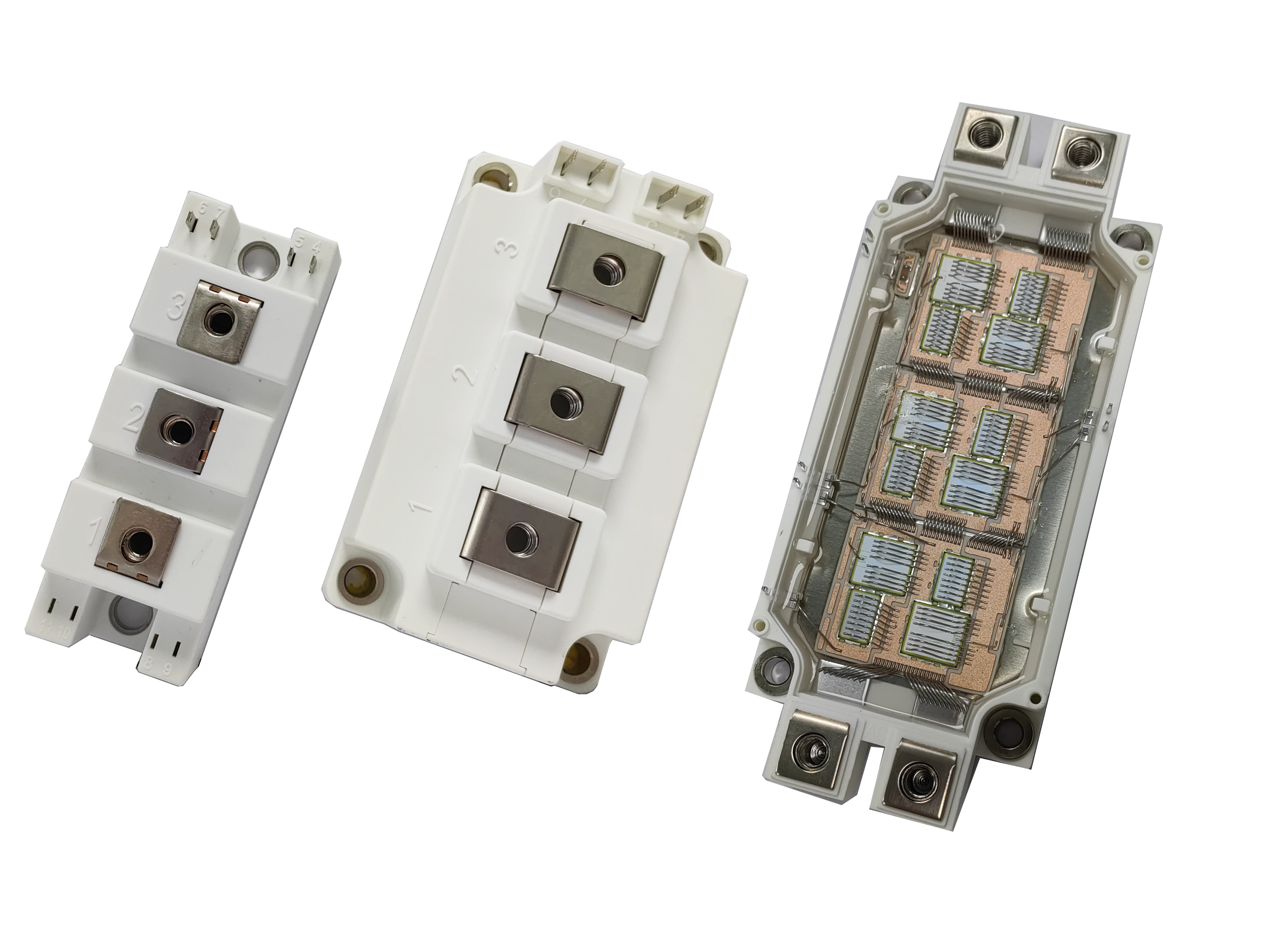
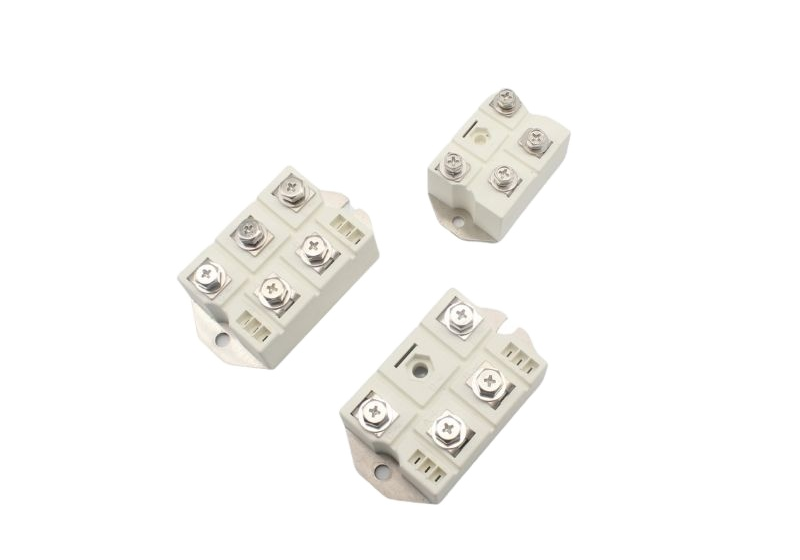
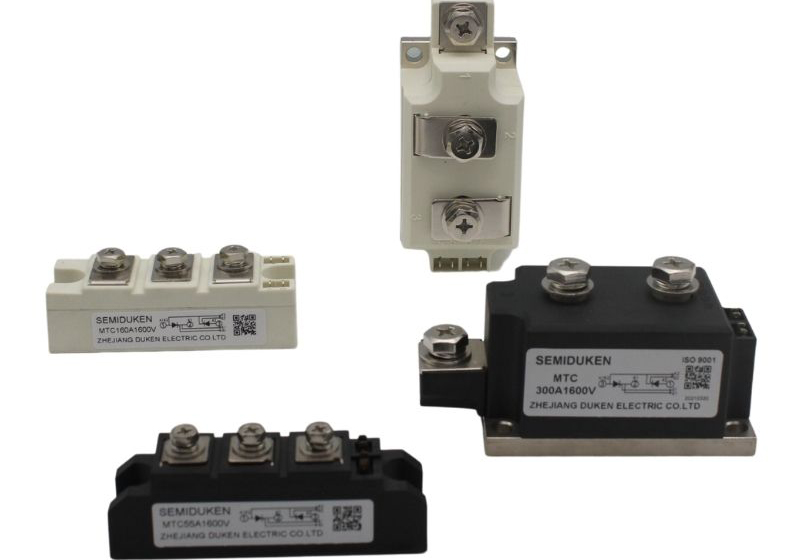
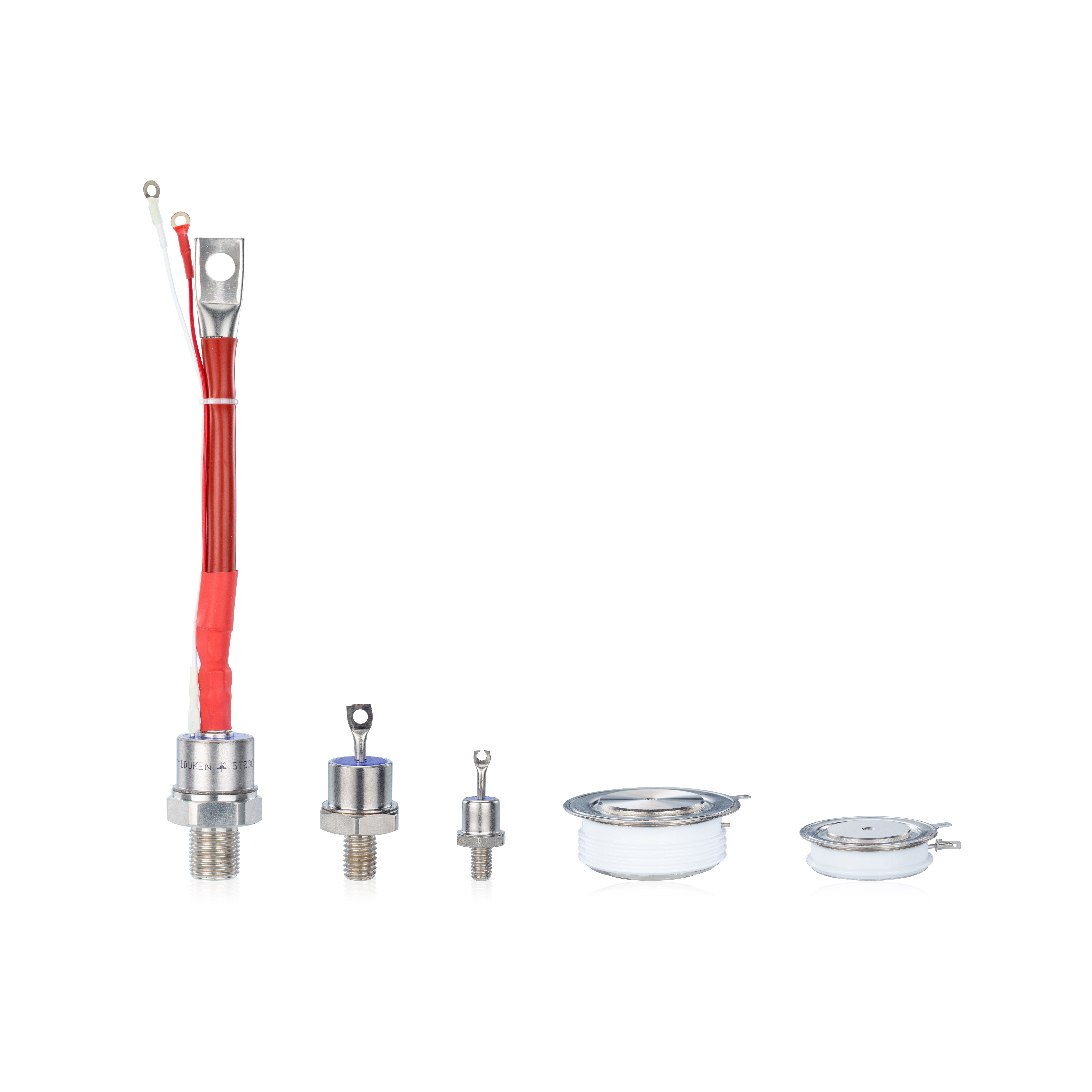
The package type of a fast recovery diode plays a crucial role in its integration into the circuit and its ability to handle high currents and thermal stresses. For example, diodes intended for use in UPS systems and motor drives typically come in packages like the SOT-227 or ceramic insulated packages, which offer superior heat dissipation and durability.
For power applications like flyback converters, selecting a diode with a non-isolated package, such as the 200A 400V fast recovery diode, allows for better integration with other components in the system. This helps achieve efficient power conversion and simplifies the overall design of the power system.
Conclusion
Selecting the right 200A 400V fast recovery diode requires careful consideration of various factors, including reverse recovery time, surge current handling, forward voltage drop, thermal resistance, and package type. For applications like UPS systems, motor drives, and industrial power converters, making an informed choice can lead to improved system efficiency, reliability, and longevity. By asking these five essential questions, you can ensure that your diode selection meets the specific needs of your application and delivers the performance required.