Enhancing UPS Reliability with Optimized Thyristor Module Selection
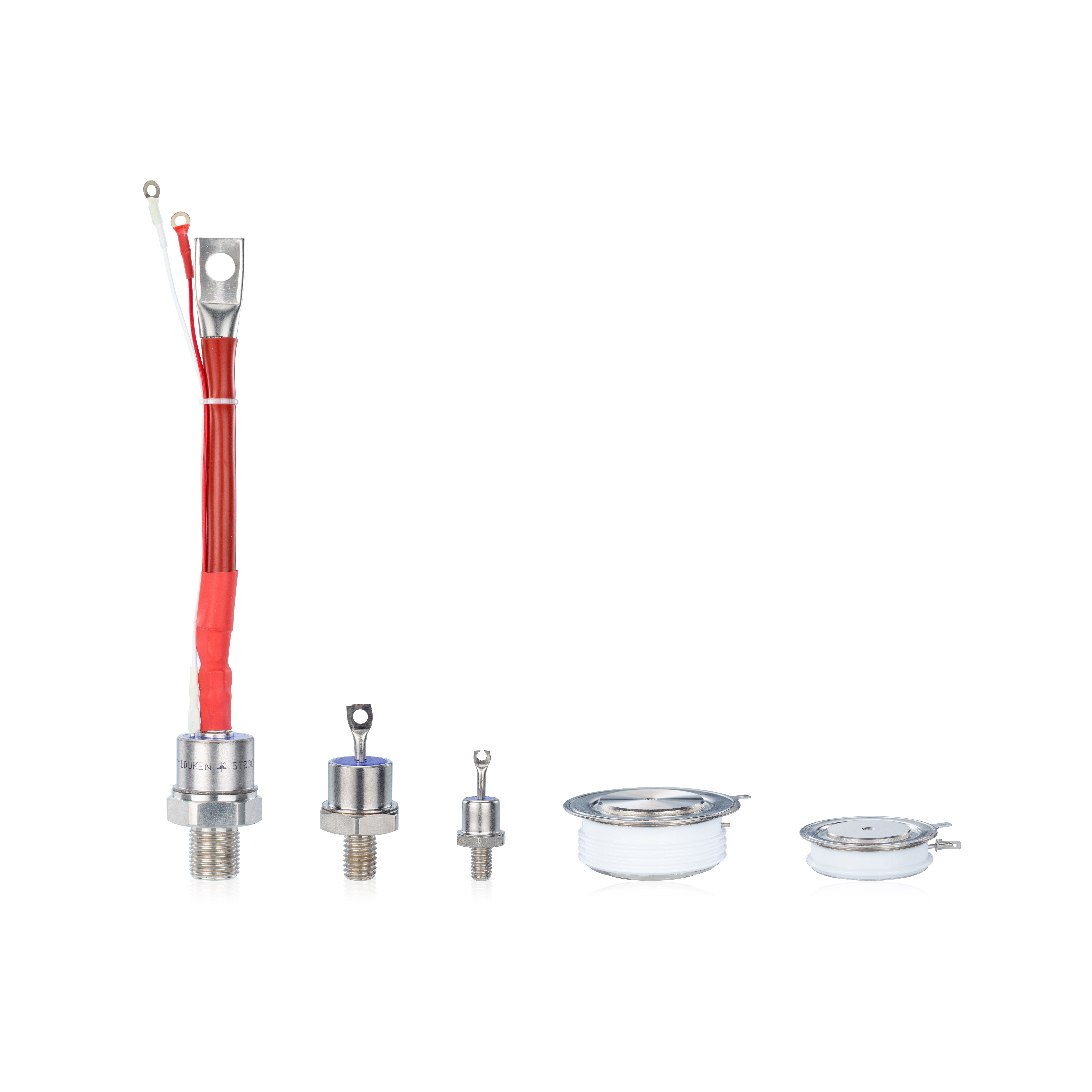
The reliability of Uninterruptible Power Supply (UPS) systems greatly depends on the stability and quality of their internal components—chief among them are thyristor modules. These devices handle voltage regulation, phase control, and bidirectional power flow, making their integrity essential for mission-critical operations. In this article, we explore how optimized thyristor module selection and configuration contribute to UPS system resilience and efficiency.
1. Importance of Gate Trigger Efficiency
Efficient gate triggering is the cornerstone of consistent thyristor operation. Faulty or underperforming low gate-trigger screw-terminal surge-protection units can result in misfiring or non-conduction under load, destabilizing the UPS system.
Considerations:
Select thyristor modules with integrated, rugged surge protection circuits. Ensure that the gate-trigger input voltage and current thresholds match the system control logic. In applications where voltage transients are frequent, use modules with enhanced screw-terminal contact quality and protective clamping.
2. Performance Advantages of Anti-Parallel OEM Certified Modules
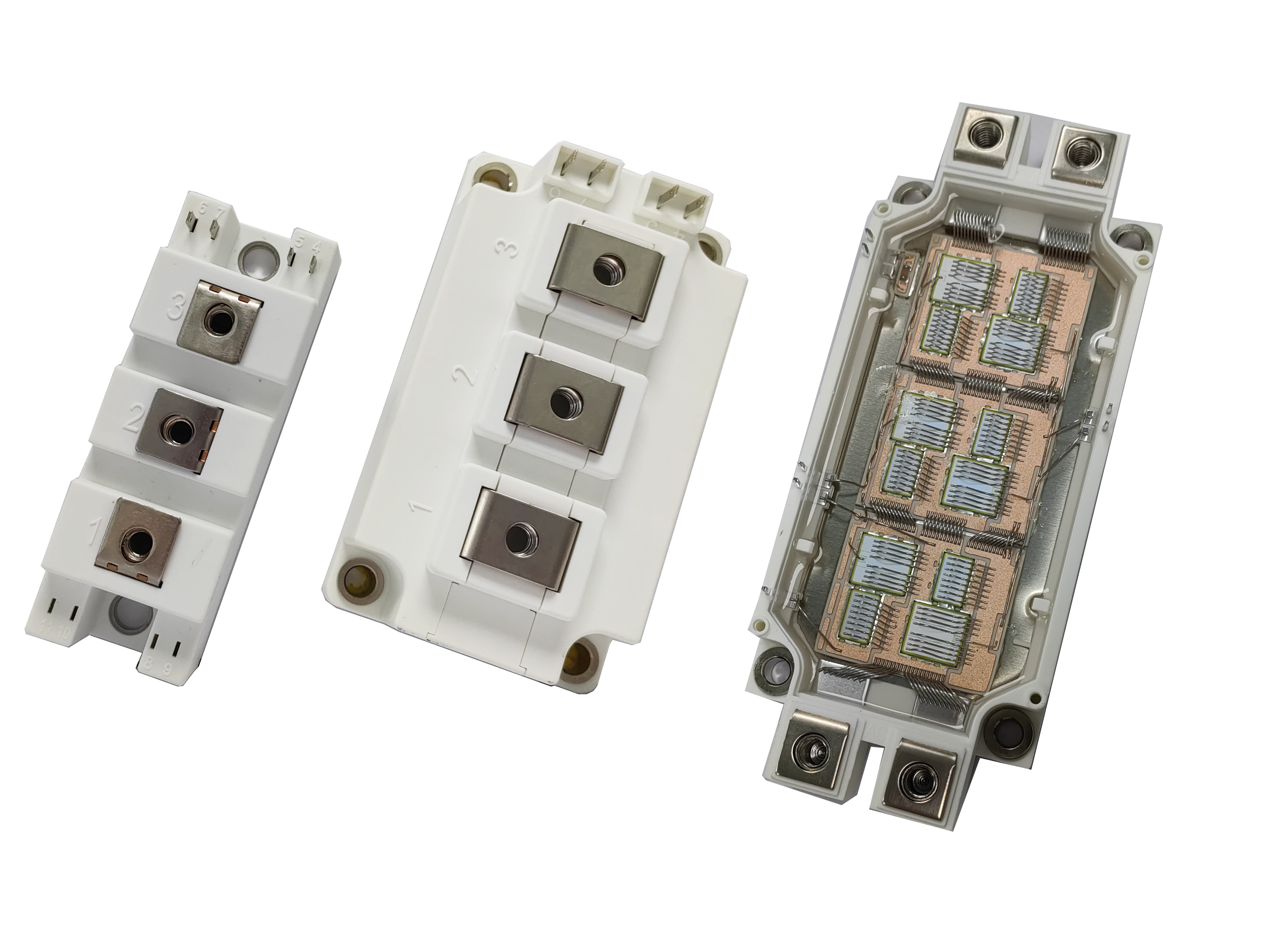
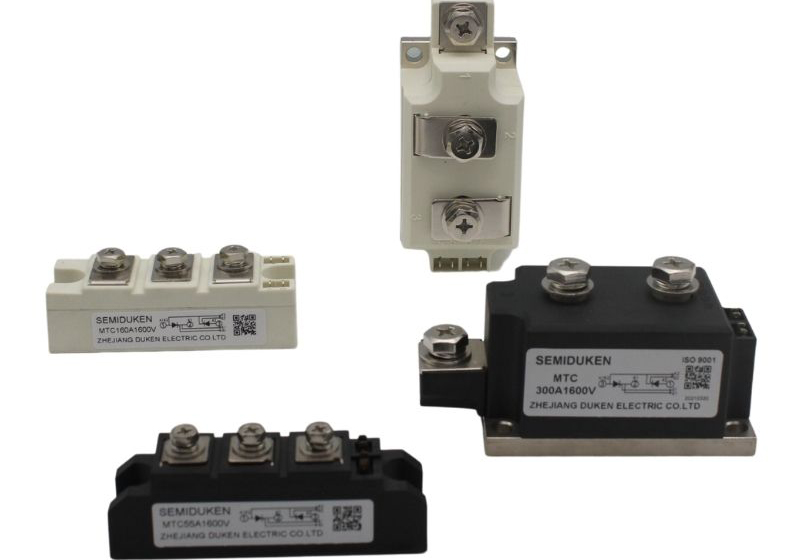
The anti-parallel OEM certified 106A thyristor module for UPS systems supports efficient AC control by enabling bidirectional conduction. Selecting certified and performance-tested modules helps ensure that thermal load sharing is consistent between complementary thyristors.
Key Features to Look For:
- Thermal protection and equal junction temperature response.
- OEM certification that ensures compatibility with commercial UPS platforms.
- Durable housing to withstand vibration and temperature fluctuations.
3. Leveraging Phase-Control for Voltage Stability
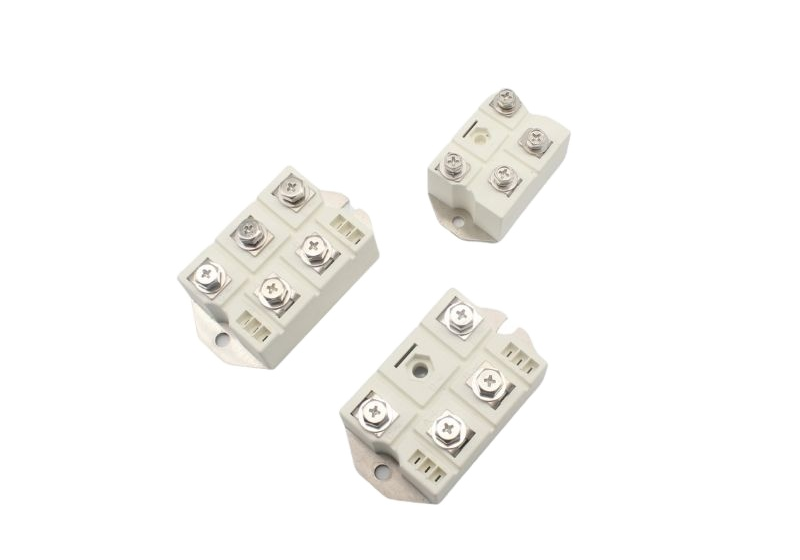
UPS systems equipped with phase-control hard-soldered-joints low forward-voltage 106A thyristor module for UPS systems can achieve precise voltage modulation. However, not all modules are created equal—some have inferior solder joints or inconsistent forward-voltage specs.
Selection Criteria:
Choose modules with reinforced mechanical solder points. Ensure the forward-voltage drop is low but consistent across load ranges. These characteristics minimize switching losses and prevent overheating during prolonged operation.
4. Integrated Diagnostics and Monitoring
Smart thyristor modules with built-in diagnostics help in real-time fault detection. Monitoring gate-trigger response time, conduction duration, and heat dissipation allows predictive maintenance and reduces downtime.
Recommendation:
Install thyristor modules that support integration with digital monitoring systems. These modules can provide real-time alerts on gate-trigger anomalies or thermal irregularities, enhancing the resilience of the entire UPS system.
5. Matching Module Ratings to UPS Load Profiles
Incorrect rating selection often leads to premature thyristor failure. Matching thyristor ratings to actual load conditions ensures optimal performance and system longevity.
Guidelines:
- For UPS systems with frequent power cycling, select thyristors rated for high switching frequency.
- In environments with high inrush current, ensure surge current rating is sufficient.
- Confirm that anti-parallel OEM certified 106A thyristor module for UPS systems can withstand repetitive peak voltages without degradation.
Real-World Application: Improving Industrial UPS Uptime
A manufacturing facility dealing with sensitive CNC machinery experienced erratic UPS performance due to inconsistent conduction in their thyristor modules. Investigation revealed that the installed modules lacked integrated surge protection and had mismatched anti-parallel units from different manufacturers.
Upgrade Actions:
The engineering team replaced the existing modules with low gate-trigger screw-terminal surge-protection models from a single OEM-certified source. Additionally, they standardized on phase-control hard-soldered-joints low forward-voltage 106A thyristor module for UPS systems across all units.
Result:
Post-upgrade monitoring showed a 40% reduction in thermal cycling anomalies and a complete elimination of misfire-related UPS shutdowns over a 12-month period. The facility has since adopted a predictive maintenance strategy based on real-time diagnostic alerts embedded in the thyristor module control logic.
Environmental Design Considerations
UPS systems installed in harsh environments—such as outdoor cabinets or high-dust zones—face added risk. Moisture, debris, and high ambient temperatures degrade sensitive areas like the gate terminal and hard-soldered joints.
Mitigation Strategy:
- Use sealed, IP-rated thyristor modules.
- Add heat sinks or forced-air cooling to manage junction temperature rise.
- Apply anti-corrosive coatings to critical joint areas, especially where the low gate-trigger screw-terminal surge-protection units are exposed.
Synergizing with Digital Twins and Smart Grids
Modern UPS deployments are evolving toward smart grid and digital twin compatibility. Thyristor modules used in such environments must support not only high electrical performance but also seamless data integration.
Key Capabilities:
- Support for IoT-based fault monitoring.
- Integration into digital twin platforms for system simulation.
- API-enabled reporting of voltage, current, and thermal profiles.
Final Takeaways
Smart module selection is no longer about just meeting electrical ratings. In the context of next-generation UPS systems, thyristors must deliver intelligent control, environmental resilience, and OEM-certified compatibility. Selecting modules with proven performance under stress conditions—such as anti-parallel OEM certified 106A thyristor module for UPS systems and phase-control hard-soldered-joints low forward-voltage 106A thyristor module for UPS systems—translates directly into uptime, efficiency, and customer confidence.