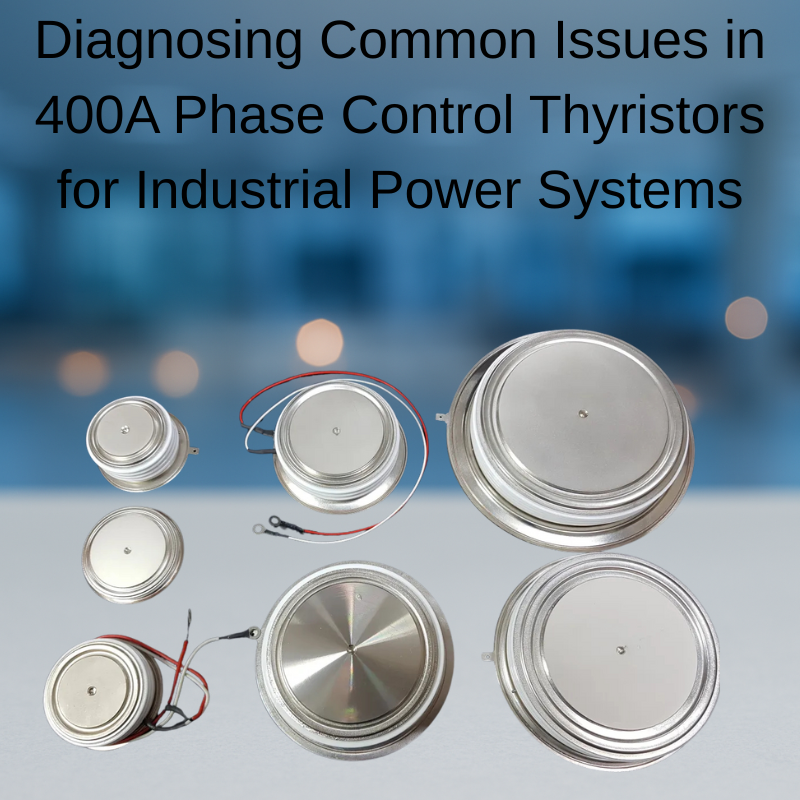
Fault Analysis and Repair Strategies for 600A Phase Control Thyristors
The 600A phase control thyristor is a high-performance device used in industrial power systems, ensuring precise control of AC current in rectifiers, motor drives, and power converters. With features such as high thermal stability, high surge current rating, and high dv/dt immunity, it provides exceptional reliability. However, like all power electronics, these devices are susceptible to faults caused by improper usage, environmental factors, or circuit malfunctions. Understanding common failure modes and repair techniques is vital for maintaining system integrity and preventing prolonged downtime.
Understanding the different failure modes of 600A phase control thyristors is crucial to diagnosing issues early. Common failures include: Thermal damage: Excessive heat, often caused by poor heat dissipation or overcurrent conditions, can degrade the junction and lead to a permanent short circuit or open circuit. Gate triggering issues: Inconsistent or insufficient gate trigger control can prevent the thyristor from properly turning on or off, leading to improper conduction and increased heat buildup. Voltage transients: Even with high dv/dt immunity, rapid voltage changes during switching can exceed the thyristor’s ability to withstand transients, triggering unintentional conduction. Leakage current: Low leakage current is crucial for maintaining efficiency, but surface contamination or moisture ingress can increase leakage and reduce system reliability. High surge current stress: Surpassing the high surge current rating during transient or short-circuit conditions can damage internal junctions, leading to malfunction.
Once a failure mode is suspected, the following diagnostic steps should be followed: Gate trigger testing: Use an oscilloscope to verify that gate pulses meet the requirements specified in the datasheet KP600A-6500V. Inconsistent or weak gate pulses are often the cause of poor conduction. Thermal inspection: Use infrared thermography to detect hot spots, indicating areas of excessive heating. Uneven temperature distribution often points to poor thermal contact or insufficient heat dissipation. Leakage current measurement: Measure the off-state leakage current under normal operating voltage. High leakage currents suggest degraded junctions or contamination. Surge current stress testing: Apply a high surge current at the thyristor’s rated voltage and monitor its ability to recover without exceeding the high surge current rating. Surge events that exceed rated values can damage the device permanently. dv/dt stress testing: Simulate high dv/dt conditions to ensure the device’s immunity to rapid voltage changes is intact. A failure to block transients effectively can lead to premature triggering or breakdown.
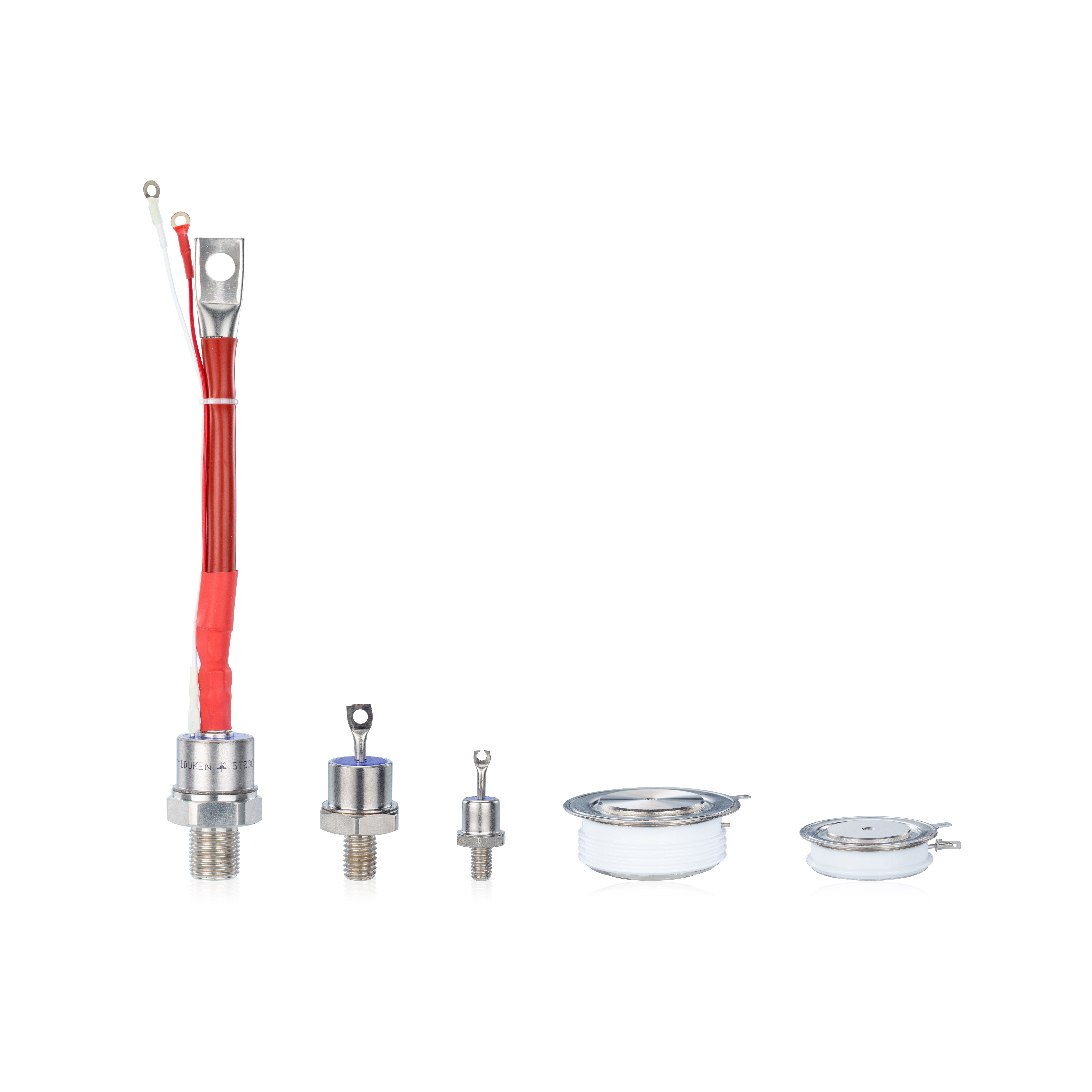
To extend the service life of 600A phase control thyristors, proactive repair and maintenance are essential. Here are the key strategies: Improved cooling systems: Ensure that the Aluminium housing disc package is securely mounted and that cooling systems are functioning efficiently to maintain high thermal stability. A uniform temperature across the device helps avoid thermal hotspots and minimizes degradation. Gate driver calibration: The gate drive circuit should be regularly checked and calibrated to ensure it delivers adequate current and voltage for stable triggering. An underpowered gate drive can result in slow switching times and thermal stress. Surge protection: Install RC snubber networks and surge suppressors to limit the effects of voltage spikes, thus preserving high dv/dt immunity. Surge control prevents device degradation due to transient overvoltage conditions. Leakage current reduction: Ensure that thyristors are sealed to protect against dust, moisture, and contaminants. Apply protective coatings and maintain clean installation environments to reduce the risk of leakage. Preventive replacement of aging components: Regularly replace old or faulty components in the gate drive circuit, especially when their performance begins to degrade. This reduces the risk of system failure caused by poor triggering signals.
A furnace control system was experiencing repeated failures in the 600A phase control thyristors. Thermal scans revealed hot spots due to poor thermal contact between the Aluminium housing disc package and the heat sink. Additionally, the gate drive circuit was providing inconsistent pulses, which resulted in partial conduction and increased heat buildup. After improving the clamping pressure and recalibrating the gate driver, the system ran smoothly for an extended period without further issues. This example highlights the importance of proper thermal management and gate control in preventing device failure.
600A phase control thyristors are designed to withstand high electrical and thermal stress, but improper operation or inadequate maintenance can cause significant performance degradation. Diagnosing faults through gate trigger control, leakage current measurement, and thermal inspection is essential for early fault detection. Proactive repair strategies, including improved cooling, surge protection, and regular gate driver calibration, can prevent failure and extend the operational lifespan of these critical components. By adhering to the guidelines in the datasheet KP600A-6500V and performing regular maintenance, engineers can ensure the reliable operation of 600A phase control thyristors in demanding industrial environments.