Optimizing Power Management with Phase-Control Light-Dimming Dual-SCR 106A Thyristor Modules
Introduction
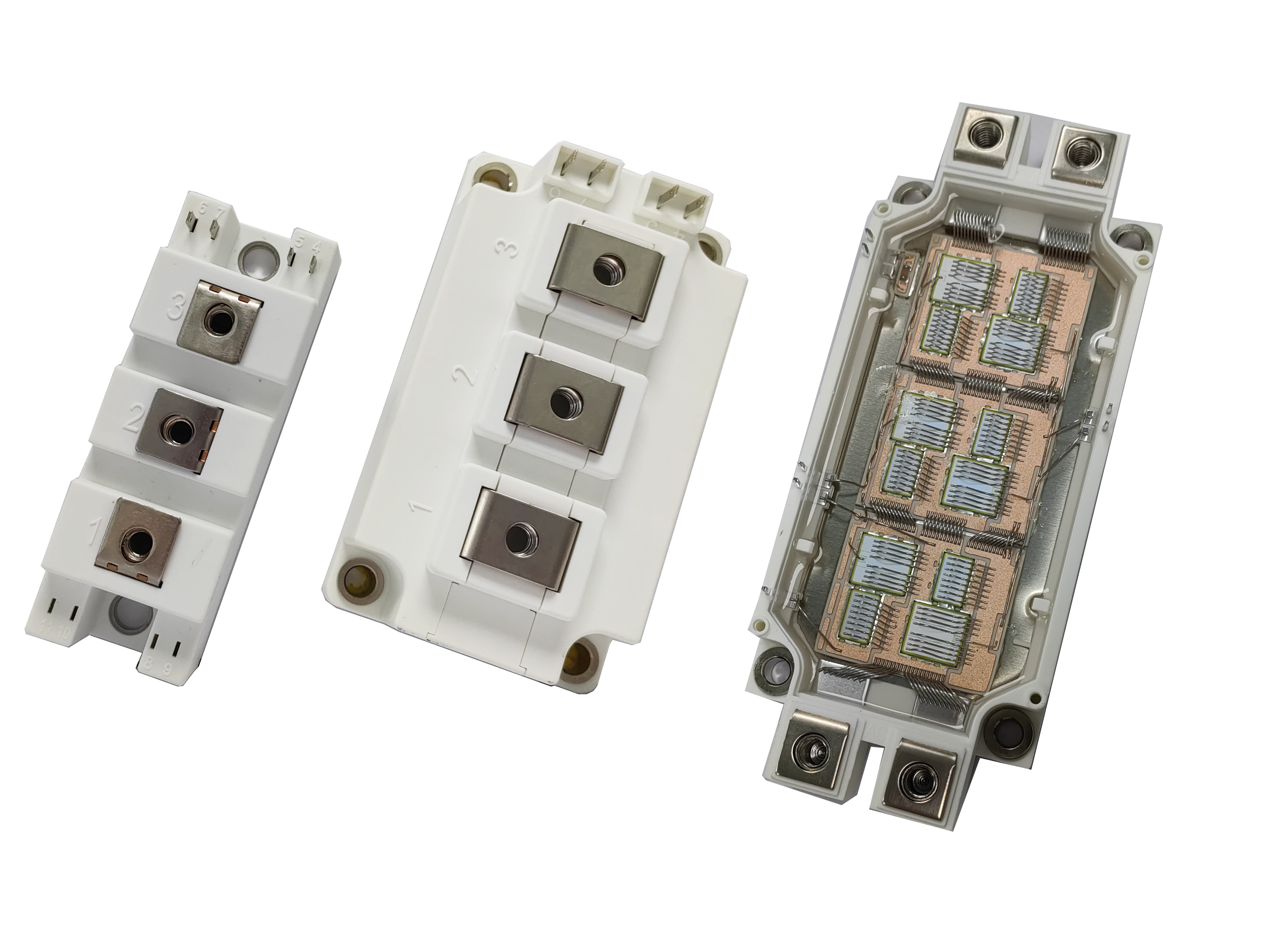
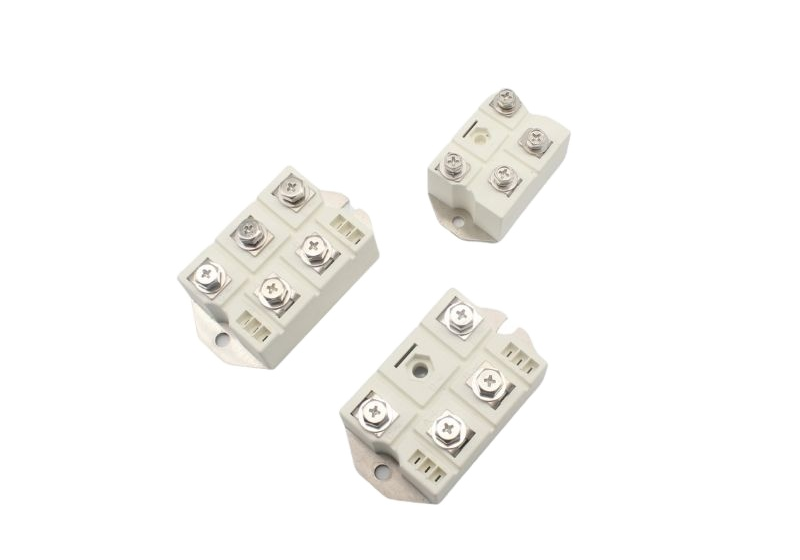
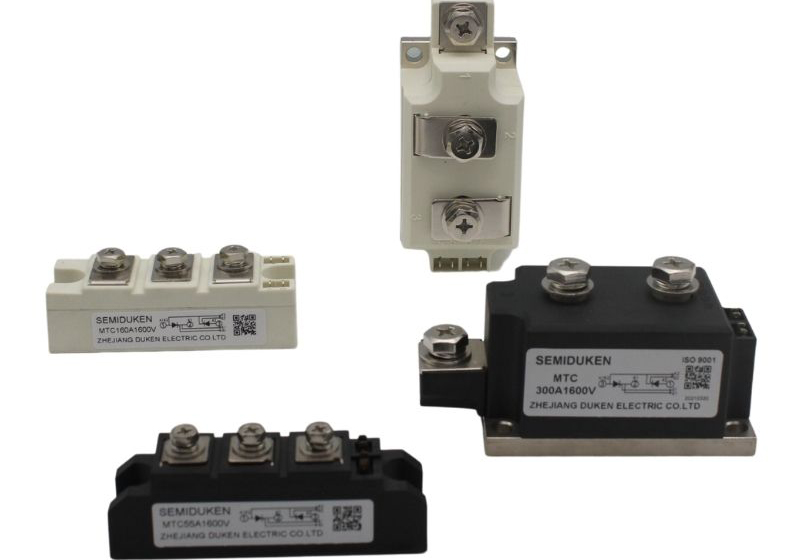
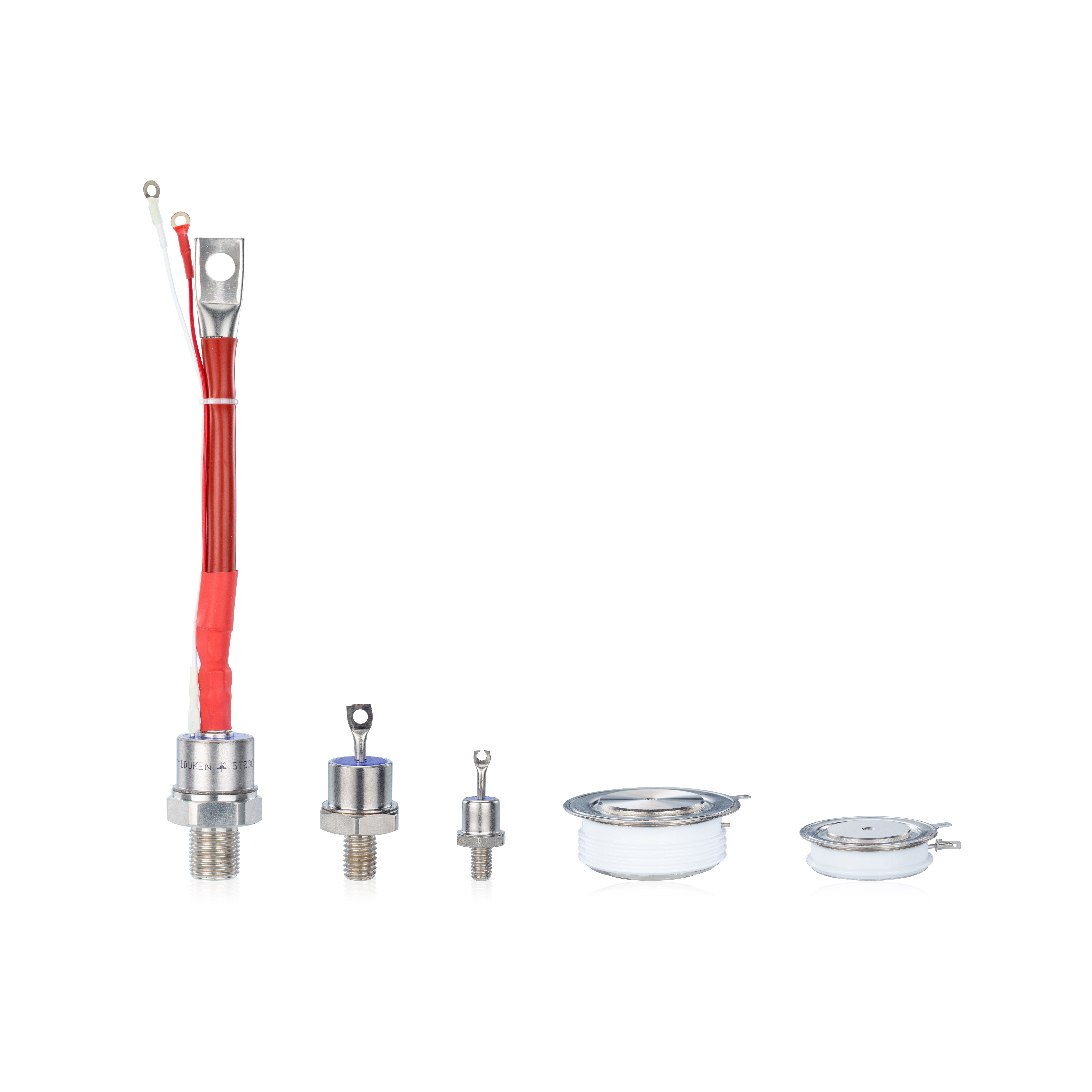
In modern industrial and residential electrical systems, efficient power management is crucial for ensuring reliability and energy savings. One of the key components driving this efficiency is the phase-control light-dimming dual-SCR 106A thyristor module for UPS systems. Designed for high-performance operation, this module allows precise regulation of power flow, making it an essential element in both lighting and uninterruptible power supply (UPS) applications. Understanding its technical features and troubleshooting strategies is vital for engineers and maintenance teams aiming to optimize system performance.
Understanding Phase-Control Thyristor Modules
A phase-control light-dimming dual-SCR 106A thyristor module for UPS systems operates by controlling the conduction angle of alternating current (AC). This enables fine-tuned dimming of lights or precise control of motor speeds. Unlike traditional resistive dimmers, SCR-based modules offer higher efficiency and reduced heat generation, extending the lifespan of connected equipment. The dual-SCR configuration allows for bidirectional current control, which is particularly beneficial in AC systems where both halves of the waveform need to be managed.
Key Technical Features
These modules typically support up to 106A of forward current, providing robust performance for medium-power UPS and lighting applications. The phase-control functionality ensures smooth voltage ramping, preventing sudden surges that could damage sensitive electronic components. Furthermore, dual-SCR configurations reduce total harmonic distortion (THD) in the system, improving overall power quality. By integrating these modules, facilities can achieve greater energy efficiency, lower operational costs, and enhanced equipment longevity.
Troubleshooting and Maintenance Strategies
Even with high reliability, occasional issues may arise in phase-control systems. Common problems include flickering lights, unexpected voltage drops, or module overheating. Technicians should first check for proper heat sinking and ventilation, as SCR modules can generate significant heat under full load. Secondly, ensure that the control circuitry is correctly configured to provide the expected phase angles. Using a digital multimeter to measure forward voltage drop across the SCRs can help identify weak or failing components. Regular maintenance, including periodic cleaning and visual inspection for corrosion or burn marks, significantly reduces the likelihood of system failure.
Applications in UPS Systems
The phase-control light-dimming dual-SCR 106A thyristor module for UPS systems is particularly valuable in environments requiring both reliability and flexibility. In data centers, it enables smooth voltage regulation, ensuring that sensitive servers remain protected during power fluctuations. In commercial buildings, it supports intelligent lighting control systems, enhancing occupant comfort while reducing energy consumption. Additionally, its compact design allows for easy integration into existing panel-mount setups, facilitating upgrades and retrofits without extensive rewiring.
Conclusion
Maximizing system reliability and efficiency requires a deep understanding of critical components like the phase-control light-dimming dual-SCR 106A thyristor module for UPS systems. From energy-efficient lighting to robust UPS protection, these modules offer a versatile solution for modern power management challenges. Engineers and maintenance teams who implement proper installation, monitoring, and troubleshooting strategies will ensure optimal performance and long-term system stability.