Performance Parameters of Suitable Thyristor Modules for Electrolysis Rectifiers
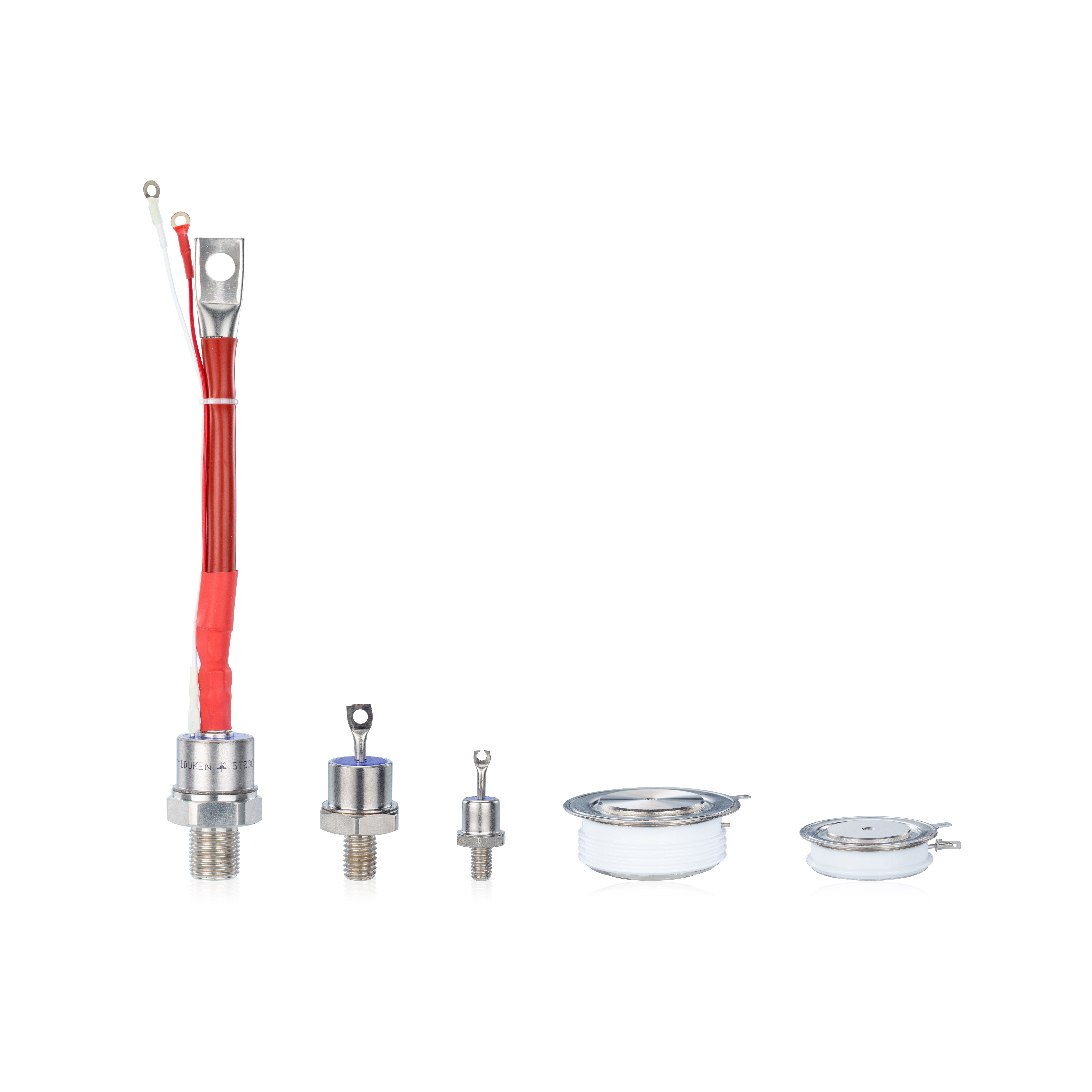
In the field of electrolysis, rectifiers are essential for converting AC to DC power, ensuring that electrolysis processes run smoothly and efficiently. Thyristor modules play a crucial role in this conversion process, helping regulate power, manage surge currents, and control temperature. The performance of these modules is key to the efficiency and longevity of electrolysis systems. In this article, we explore the key performance parameters of thyristor modules for electrolysis rectifiers, particularly focusing on their application in surge protection, temperature control, and industrial phase control.
Surge Protection and High Surge Current Handling
One of the most important factors in selecting thyristor modules for electrolysis rectifiers is their ability to handle high surge currents. Electrolysis processes, especially in high-power applications such as furnace heating or desalination, are often subject to voltage spikes caused by sudden changes in load. These surges can damage sensitive components in the rectifier if not properly managed.
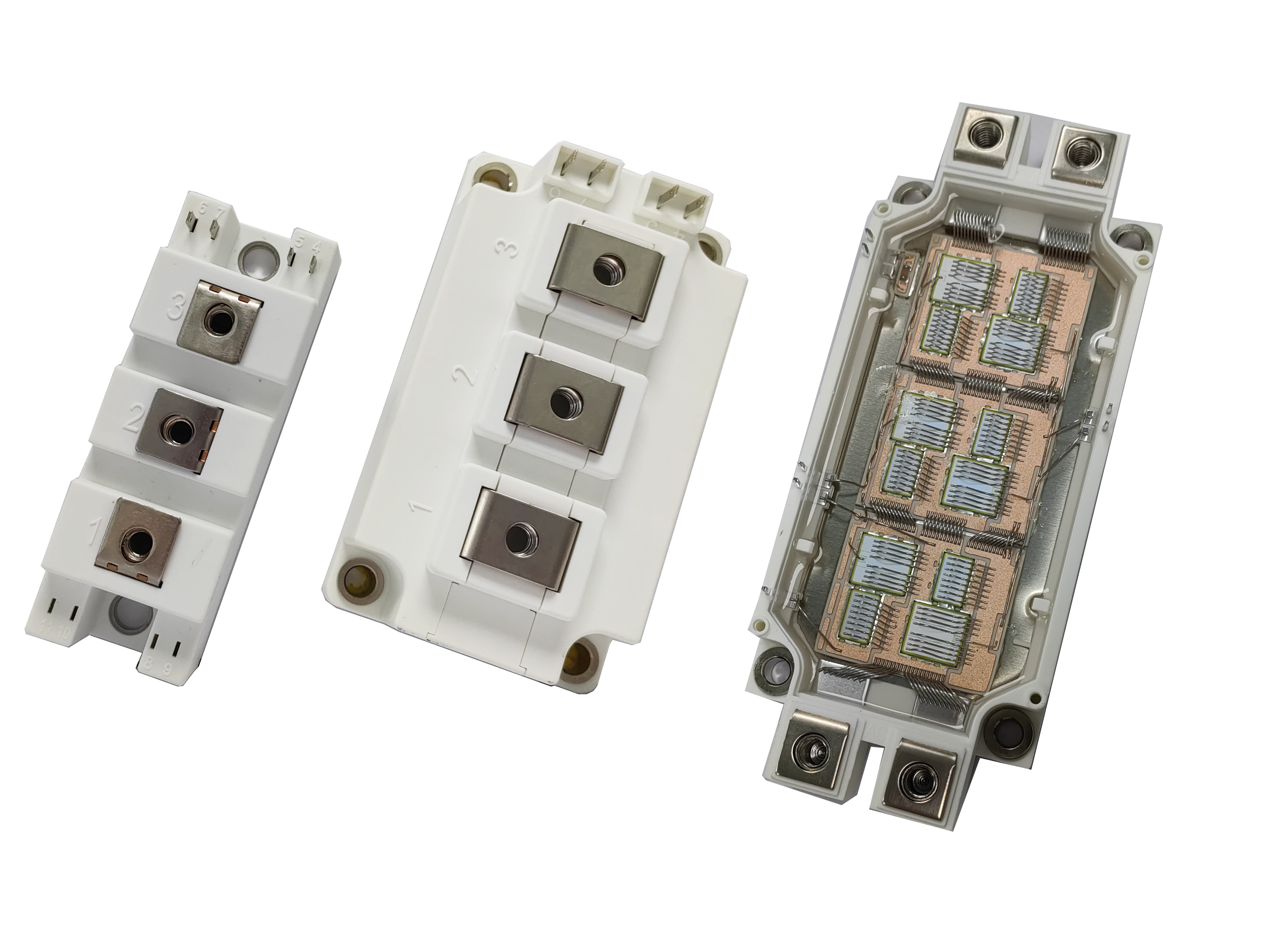
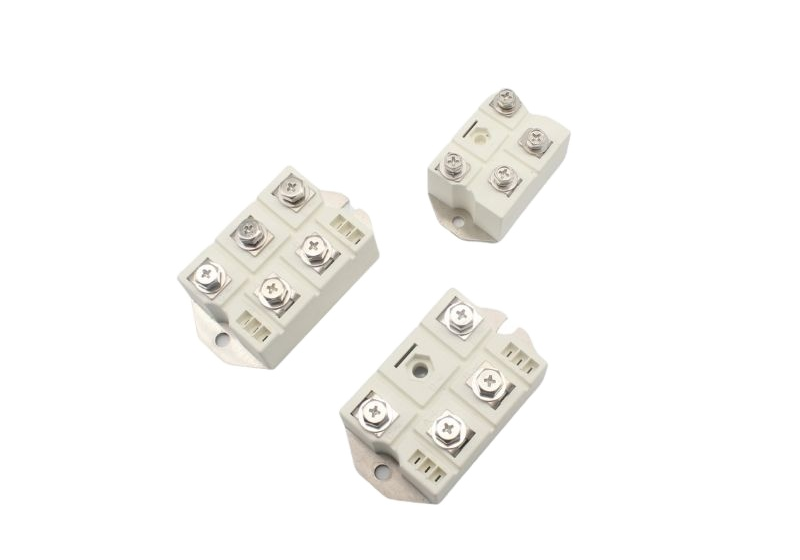
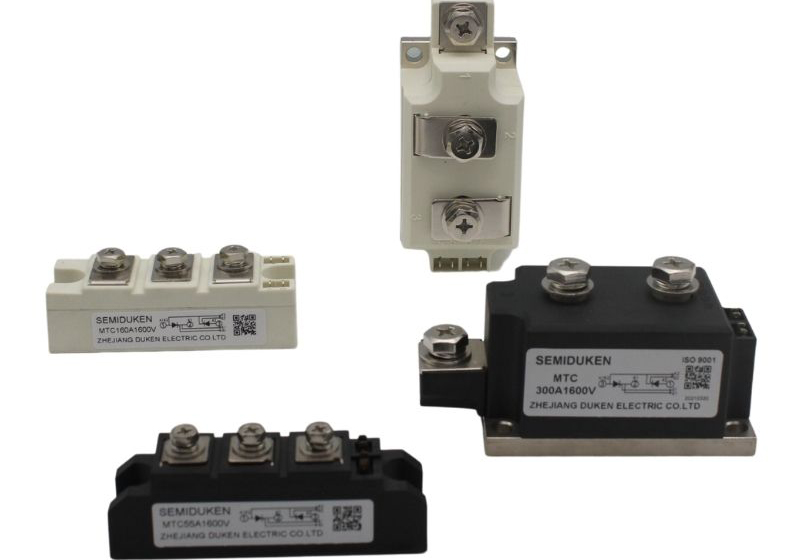
Surge protection features, such as those found in HVDC surge protection modules, are designed to absorb and dissipate these voltage spikes, ensuring the stability of the entire system. The dual thyristor module is designed to effectively handle these surges, preventing them from damaging sensitive components. The ability of these modules to absorb high surge currents ensures that the electrolysis process remains uninterrupted, maintaining a stable supply of power.
Another important feature is the low on-state voltage of these modules. A lower on-state voltage reduces energy dissipation during operation, making the process more efficient. This is particularly important in energy-intensive applications like furnace heating and desalination. The dual thyristor module plays a key role in reducing the on-state voltage, leading to more efficient operation of electrolysis rectifiers and a longer lifespan for the components.
Temperature Control for Efficiency and Longevity
Temperature control is another critical feature of thyristor modules. Electrolysis rectifiers are exposed to high currents and voltages, which generate substantial heat. Without proper temperature management, overheating can occur, leading to reduced efficiency and potential damage to the rectifier components.
The 1.43V temperature control dual thyristor module is ideal for maintaining consistent temperature conditions during electrolysis. The 1.43V on-state voltage ensures that the module operates with minimal heat generation. This helps maintain stable temperature conditions, reducing the risk of thermal damage.
In applications like solar inverters, where consistent temperature control is essential, thyristor modules with effective thermal management capabilities can prevent overheating and protect sensitive components. By utilizing temperature control features, industries can ensure their electrolysis rectifiers remain reliable under varying load conditions.
Industrial Phase Control for Efficient Power Delivery
Another crucial feature of thyristor modules used in electrolysis rectifiers is their ability to perform industrial phase control. Phase control allows the rectifier to manage the timing of the current, adjusting the output voltage and current to meet the needs of the electrolysis process. This capability is particularly important in applications where precise power delivery is required.
The dual thyristor module excels in industrial phase control, enabling fine-tuned adjustments to the phase angle of the current. This precise control ensures that the electrolysis rectifier delivers the exact amount of power needed for processes like furnace heating or desalination. By adjusting the phase of the current, the thyristor module can minimize harmonic distortion and improve the overall efficiency of the electrolysis process.
Moreover, industrial phase control ensures that the electrolysis rectifier operates with minimal energy loss, providing a stable and reliable power supply. The dual thyristor module is also particularly effective in applications such as solar inverters, where the phase control functionality allows for more efficient AC-to-DC conversion, improving the performance of the system.
Conclusion
In conclusion, thyristor modules are essential components in electrolysis rectifiers, ensuring that the systems operate efficiently and reliably. Key performance parameters such as HVDC surge protection, low on-state voltage, temperature control, and industrial phase control make them indispensable for electrolysis processes in applications like furnace heating, desalination, and solar inverters. The dual thyristor module, with its ability to handle high surge currents and provide precise phase control, is a key component in these systems.
By selecting the right thyristor modules with the appropriate performance parameters, industries can ensure their electrolysis rectifiers operate efficiently, reducing energy loss, improving thermal management, and ensuring the long-term reliability of the system. This leads to greater productivity and lower operational costs, making thyristor modules a vital part of modern electrolysis systems.