Proactive Maintenance Strategies for 500A Phase Control Thyristors
Introduction
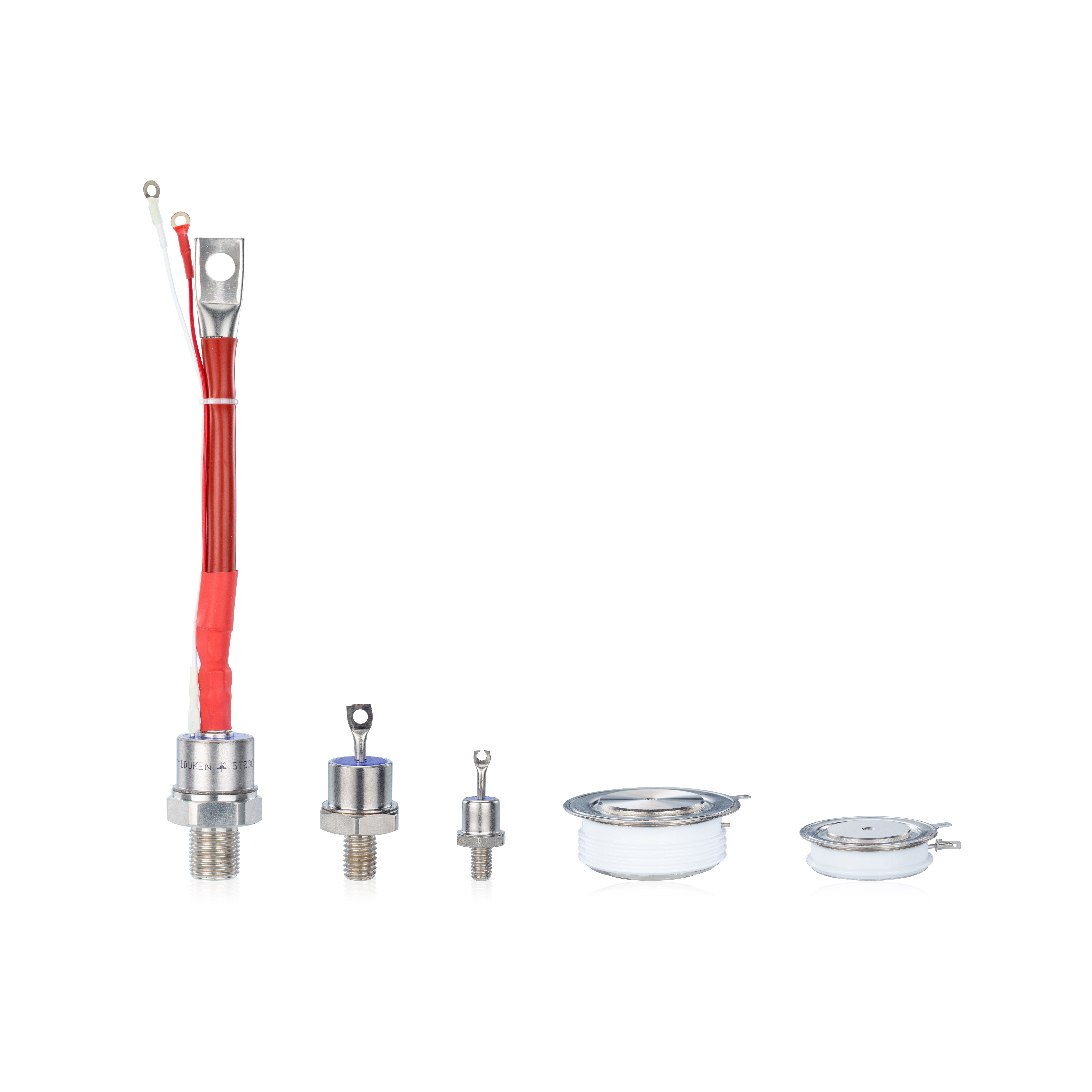
For engineers working with high-power equipment, the 500A phase control thyristor is a staple in controlling AC power efficiently. Despite their ruggedness, these devices can benefit from proactive maintenance strategies that extend operational life and minimize unplanned downtime. This article outlines key techniques and design insights that ensure these thyristors operate within their performance envelope.
Managing Thermal Limits
An essential consideration in maintenance is heat control. Although the thyristor offers high thermal stability, thermal cycling and heat concentration can lead to degradation over time. It’s crucial to regularly inspect heatsink conditions, check for dust accumulation, and verify thermal interface materials are not dried out or misaligned.
Even under high loads, the device’s high surge current rating allows it to handle overloads briefly. However, repetitive surges can cause thermal fatigue. Systems should be monitored to ensure surge events do not become the norm. Logging events and applying derating for high ambient temperatures helps preserve the integrity of the 500A phase control thyristor.
Incorporating thermal sensors near the thyristor can automate alerts when case temperatures exceed thresholds.
Electrical Noise and dv/dt Management
Electrical overstress is another threat to thyristor reliability. Fortunately, these devices feature high dv/dt immunity, but maintenance must ensure snubber circuits remain intact and capacitors are functioning properly. A broken or degraded snubber can dramatically reduce the dv/dt protection level.
Additionally, when systems operate in outdoor or mobile environments, voltage transients are common. Visual inspection of gate circuit insulation, ground continuity, and circuit shielding is recommended every few maintenance cycles.
Ensuring the thyristor is operating within its extended temperature range (–40°C to +85 °C) is also part of electrical health—temperature extremes can exacerbate dv/dt issues if not controlled.
Monitoring Electrical Leakage and Junction Health
Low leakage current is a sign of a healthy thyristor. Over time, low leakage current can shift upward if the component experiences junction stress, contamination, or prolonged voltage stress. Including leakage testing in routine diagnostics allows for early intervention.
Moreover, exceeding the high junction temperature tolerance accelerates aging. Maintaining tight control over case-to-ambient thermal resistance ensures the junction temperature remains within limits, especially during high-duty cycles.
Some facilities employ automatic test equipment that periodically runs leakage and forward drop voltage checks across all major thyristors to flag out-of-spec units before they fail.
Application Stress Audit and Design Feedback
Many thyristor failures are not due to internal flaws but rather unsuitable deployment. Auditing applications for repeated overloads, high ambient heat, or excessive switching frequency can prevent premature failure. Engineers should match the thyristor’s capability, such as 500A phase control, with actual system demands including margins for future growth or emergency loads.
Maintaining a digital history of thermal events, leakage trends, and dv/dt-related anomalies allows predictive maintenance strategies to take root. This data-driven approach is superior to reactive replacements and reduces total cost of ownership.