Textile Industry Applications and High Surge Current Dual Thyristor Modules for Efficient Power Control
Introduction
The textile industry relies heavily on efficient power control systems to ensure the smooth operation of machinery and equipment. With the increasing demand for energy-efficient solutions, the need for reliable components that can handle high surge currents while minimizing power losses has become more critical than ever. Dual thyristor modules are a key component in achieving this efficiency, providing high surge current handling and low on-state voltage for applications in textile machinery. In this article, we will explore the role of dual thyristor modules in the textile industry, particularly their use in motor control and power conversion systems.
What is a Dual Thyristor Module?
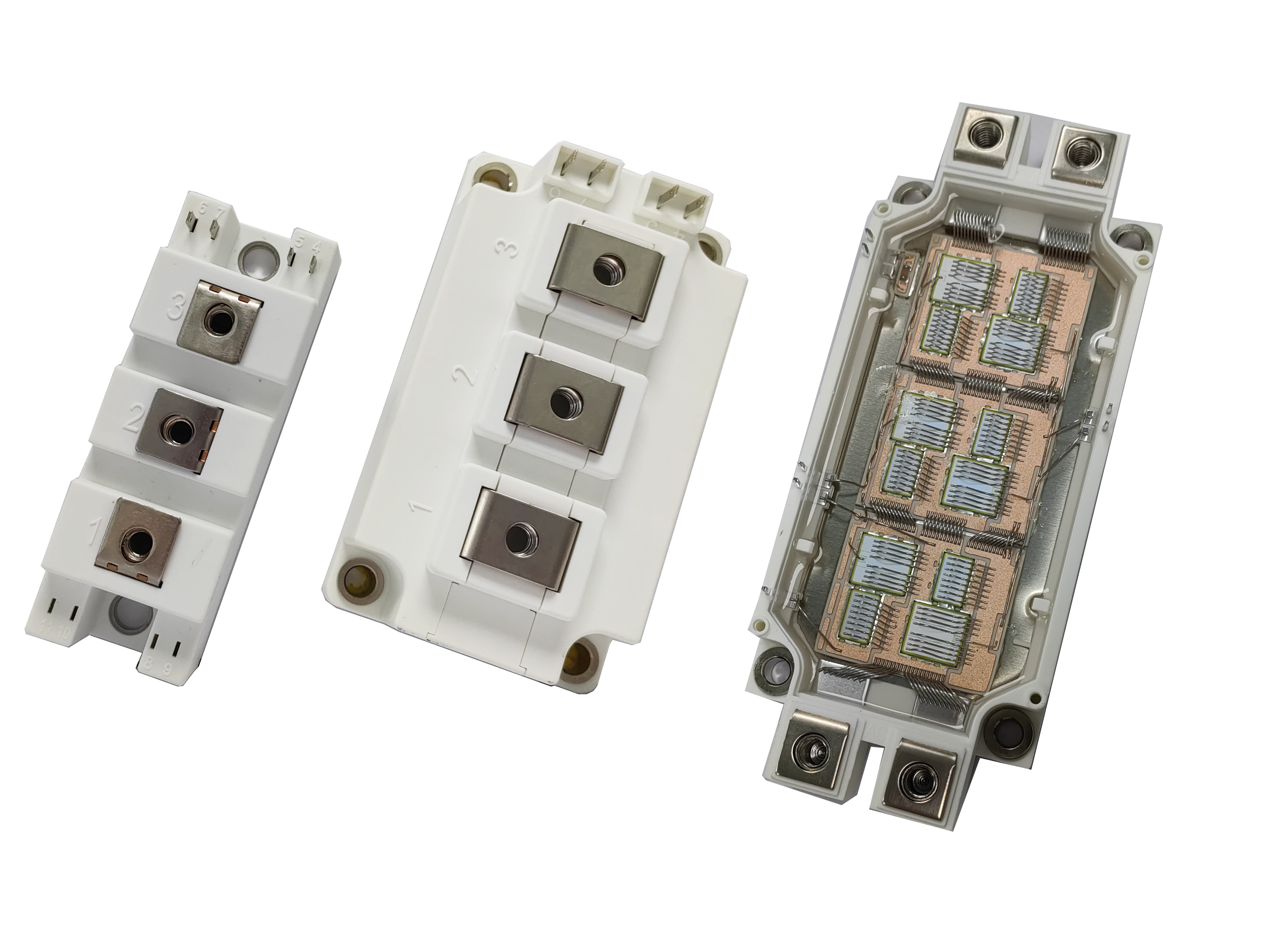
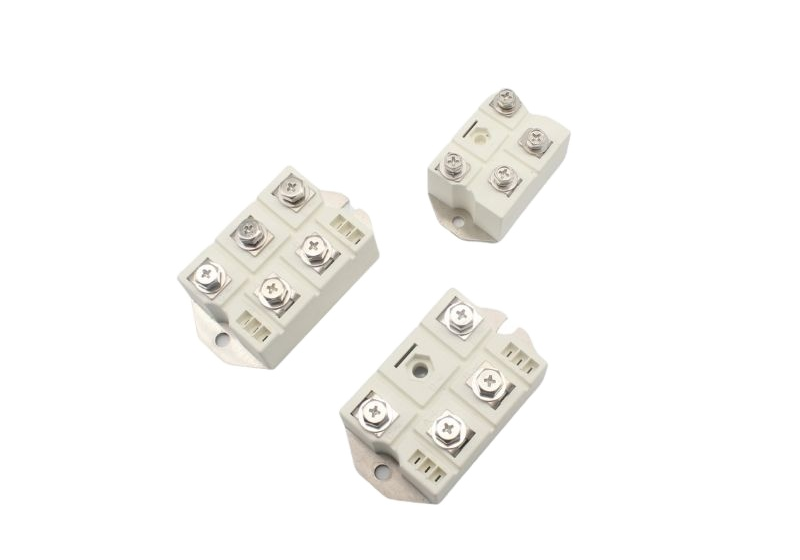
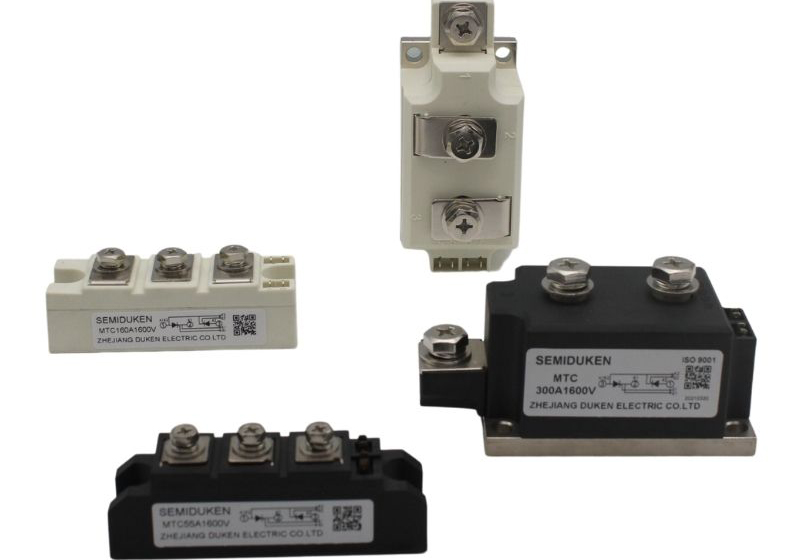
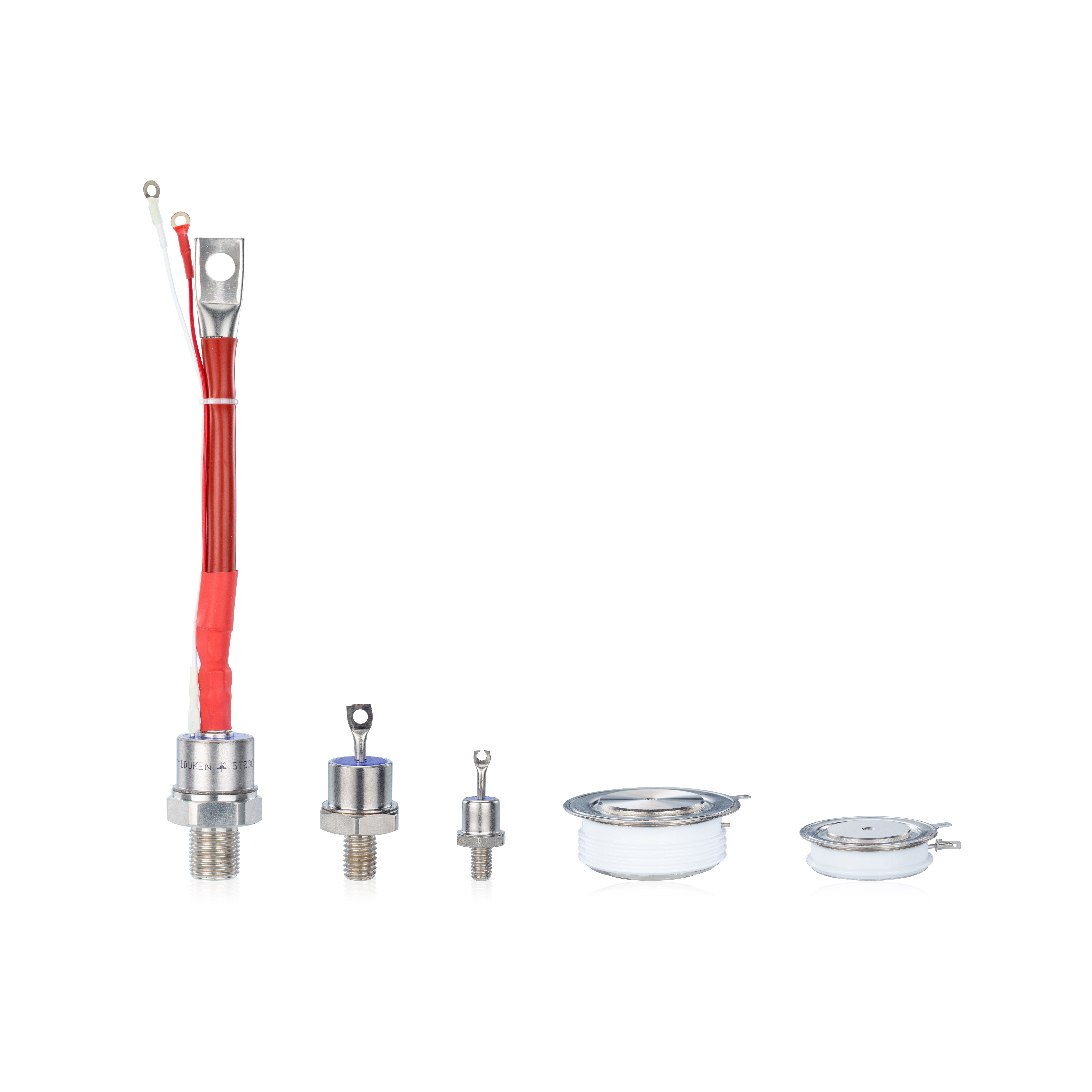
A dual thyristor module is a semiconductor device consisting of two thyristors connected in an anti-parallel configuration. This configuration allows the dual thyristor module to control the flow of current in both directions, making it ideal for AC power control applications. These modules are widely used in industrial systems, particularly those requiring high surge current handling and minimal energy loss.
One of the key advantages of dual thyristor modules is their ability to handle high surge currents, which are common in industrial applications, including textile machinery. The low on-state voltage of these modules reduces power losses, making them highly efficient for power conversion systems. Additionally, their compact package and anodizing ensure durability, making them suitable for harsh industrial environments.
Handling High Surge Currents in Textile Machinery
Textile machinery, including knitting machines, looms, and sewing machines, often experiences high surge currents during motor startup or during changes in load. These surge currents can cause damage to sensitive components, resulting in downtime and increased maintenance costs. Dual thyristor modules are specifically designed to handle these high surge currents, preventing damage to the equipment and ensuring smooth operation.
By using dual thyristor modules in textile machinery, manufacturers can control the power supplied to motors and other components, gradually increasing the current during startup. This reduces the risk of sudden inrush currents that could otherwise cause damage to the system. Additionally, the ability to handle high surge currents makes these modules ideal for applications where motors frequently start and stop, such as in textile production lines.
Low On-State Voltage for Efficient Power Control
The low on-state voltage of dual thyristor modules is a crucial feature that contributes to their efficiency. On-state voltage refers to the voltage drop across the thyristor when it is conducting current. A lower on-state voltage results in less energy loss, which is particularly important in power conversion systems.
In textile machinery, where energy efficiency is critical to reducing operational costs, dual thyristor modules help minimize energy losses. By using these modules, manufacturers can ensure that the power conversion process operates efficiently, reducing overall energy consumption and operating costs. The low on-state voltage also helps reduce heat generation, which is essential for maintaining the longevity and reliability of the machinery.
Applications in Textile Machinery
Dual thyristor modules play a vital role in textile machinery by providing efficient power control and handling high surge currents. These modules are used in motor control systems, where they regulate the power supplied to motors, ensuring smooth acceleration and deceleration. By limiting the inrush current during motor startup, dual thyristor modules help prevent damage to the motor and other components, reducing maintenance costs and downtime.
In addition to motor control, dual thyristor modules are also used in power converters and heating systems within textile machinery. In power converters, these modules help manage the conversion of AC to DC or DC to AC, ensuring efficient operation and minimizing energy losses. In heating systems, they are used to control the power supplied to heating elements, ensuring precise temperature regulation and efficient energy use.
Advantages of Dual Thyristor Modules in Textile Industry Applications
The use of dual thyristor modules in textile industry applications offers several key advantages:
High Surge Current Handling: Dual thyristor modules can handle high surge currents, which are common in textile machinery when motors start or when there are sudden load changes. This ensures that the machinery operates smoothly without damage to sensitive components.
Energy Efficiency: The low on-state voltage of dual thyristor modules reduces energy losses, making them ideal for applications where efficiency is crucial. This helps reduce operating costs and improve overall system performance.
Reliability and Durability: Dual thyristor modules are designed to withstand harsh industrial environments, ensuring long-term reliability and durability. Their anodized packaging protects them from environmental factors such as heat and humidity, making them ideal for use in the textile industry.
Cost-Effective: By reducing energy consumption and minimizing the risk of component damage, dual thyristor modules help reduce maintenance costs and extend the lifespan of textile machinery.
Conclusion
In conclusion, dual thyristor modules are a vital component in textile industry applications by efficiently handling high surge currents and minimizing energy losses. These modules ensure smooth operation, protect sensitive components, and improve the overall energy efficiency of textile machinery. Whether used in motor control, power conversion, or heating systems, dual thyristor modules are essential for maintaining the reliability and efficiency of textile production lines. Their ability to handle surge currents, reduce energy losses, and ensure durability makes them an ideal choice for the demanding requirements of the textile industry.