Enhancing Performance in Induction Heating with the 106A Thyristor Module
Introduction
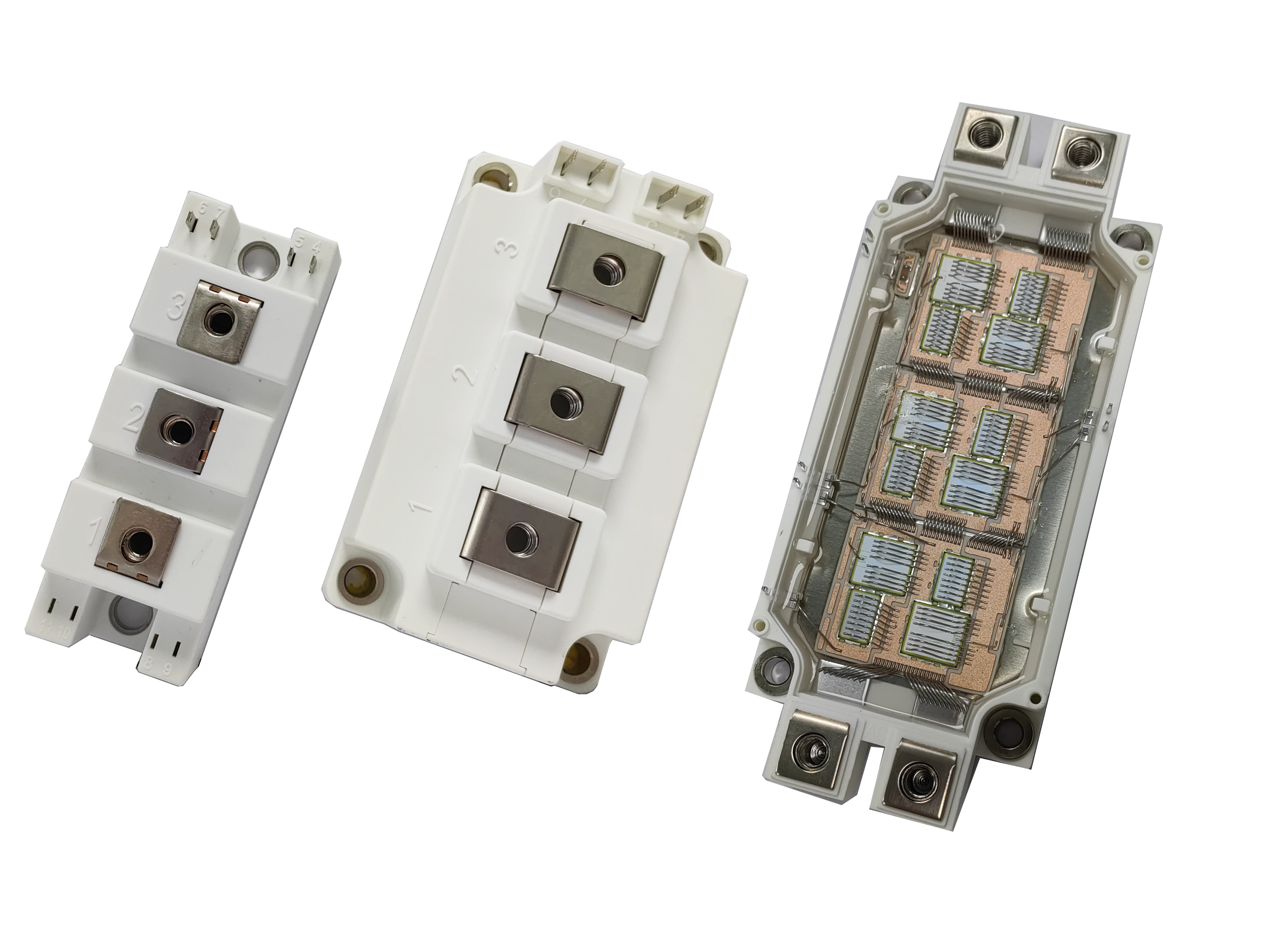
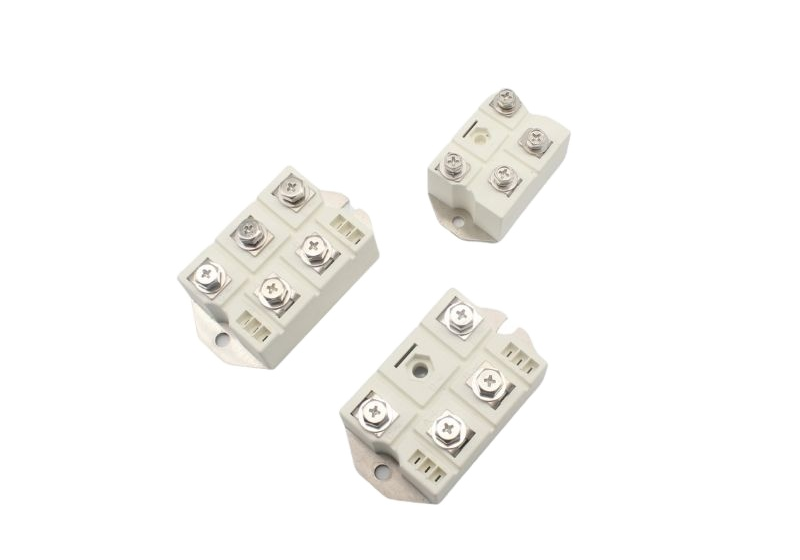
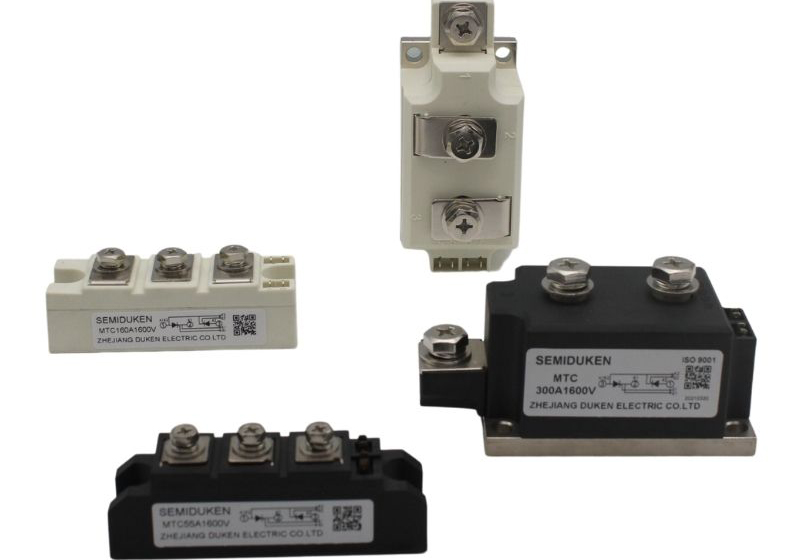
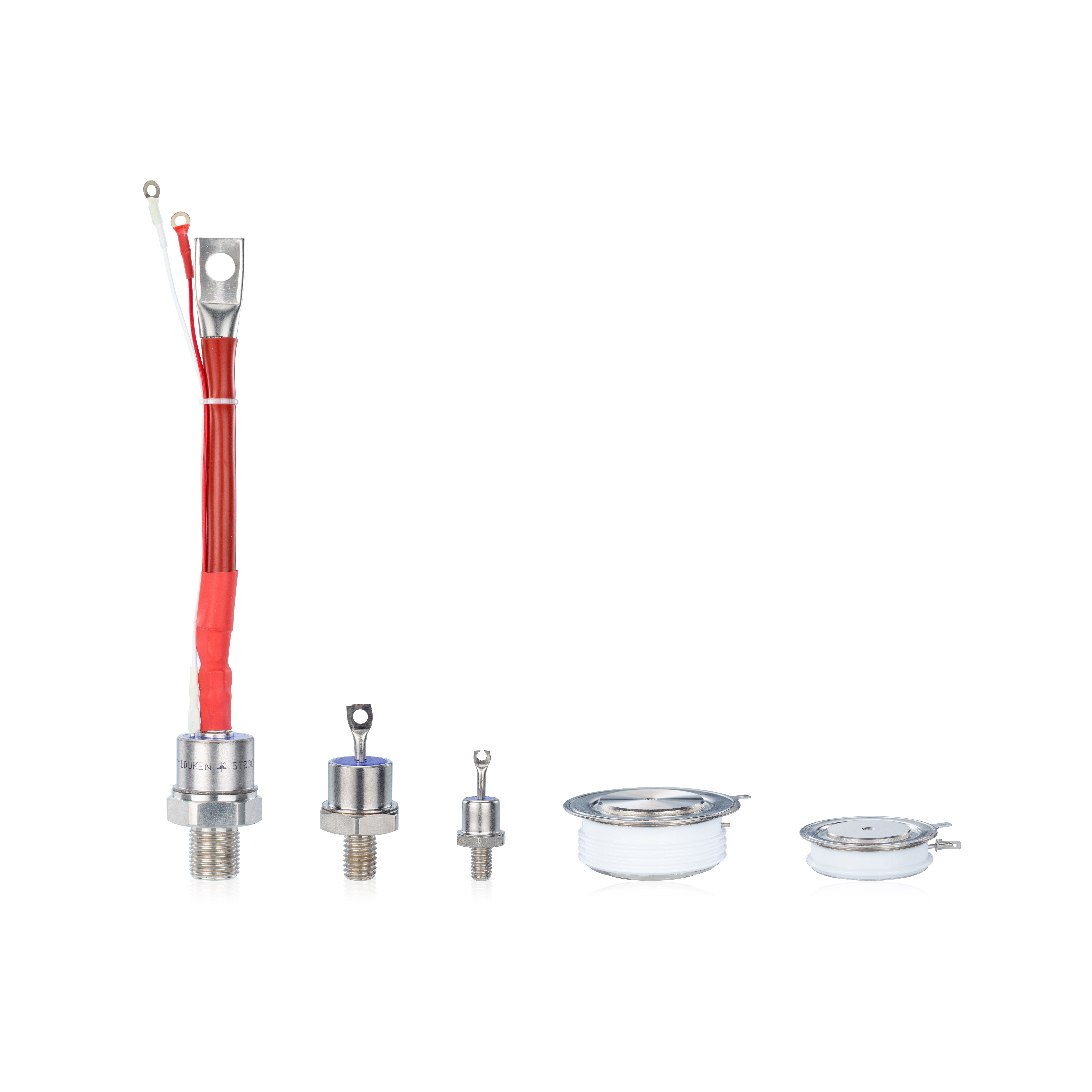
Induction heating is an essential process in many industrial applications, such as metal hardening, brazing, and surface treatment. The efficiency and stability of induction heating systems are highly dependent on the power supply and the devices used in the system. One such crucial device is the 106A thyristor module, which plays a vital role in ensuring optimal performance and protecting the system from voltage surges. This article will focus on how the 106A thyristor module, with its surge-protection screw-terminal anti-parallel configuration and forced-air-cooling features, can enhance the performance of induction heating systems.
Section 1: The Importance of Surge Protection in Induction Heating
Induction heating systems are susceptible to power surges and voltage spikes, especially when switching on or during load changes. These power surges can cause significant damage to sensitive components, leading to system failure and costly repairs. Surge protection is therefore critical in preventing damage to the system.
The surge-protection screw-terminal anti-parallel 106A thyristor module for UPS systems is specifically designed to absorb and dissipate these surges. By protecting the system from transient voltage spikes, this module ensures the longevity and stability of the entire induction heating system. The use of this thyristor module prevents surge-induced failures, ensuring that the induction heating system remains operational even under fluctuating power conditions.
Section 2: Forced-Air Cooling and Thermal Management
Thermal management is another critical factor in the performance of induction heating systems. These systems generate a significant amount of heat during operation, especially when high current levels are involved. Without effective cooling, components like the thyristor can overheat, leading to reduced efficiency or even failure.
The 106A thyristor module features forced-air-cooling, which is essential for dissipating the heat generated during high-power operations. With a low Rth(j-c) design, the module ensures that heat is efficiently transferred from the thyristor to the surrounding environment, keeping the module within safe operating temperatures. Forced-air-cooling enhances the reliability of the module and ensures the induction heating system operates at optimal performance levels.
Section 3: The Role of the 106A Thyristor Module in System Efficiency
The 106A thyristor module plays a crucial role in enhancing the efficiency of the induction heating system. With its surge protection, cooling capabilities, and ability to handle high-current loads, this module ensures that the power supply operates consistently and efficiently. By controlling the power supplied to the heating coil with precision, the module helps achieve the desired heating profile for the material being treated, which is essential in applications like brazing, hardening, and tempering.
OEMs (Original Equipment Manufacturers) that choose the 106A thyristor module can be assured of consistent performance and reliability in their induction heating systems. The module’s ability to handle high inrush currents, provide surge protection, and maintain stable operation even under extreme thermal conditions makes it the preferred choice for high-power induction heating applications.
Section 4: Benefits of Low Rth(j-c) Design for Longevity and Reliability
The low Rth(j-c) (junction-to-case thermal resistance) of the 106A thyristor module is a key feature that contributes to its efficiency and longevity. This design reduces the thermal stress on the thyristor, allowing it to operate more efficiently by ensuring that heat is effectively dissipated. As a result, the module operates reliably over extended periods, even in high-power applications where excessive heat can cause component degradation.
OEMs designing induction heating systems rely on the 106A thyristor module’s low thermal resistance to ensure that their systems maintain stable performance without the risk of overheating. The module’s thermal management capabilities help extend its lifespan, reducing the need for frequent replacements and maintenance.
Section 5: Conclusion
Induction heating systems require careful consideration of both power control and device selection to ensure optimal performance and reliability. The 106A thyristor module, with its surge-protection screw-terminal anti-parallel configuration and forced-air-cooling, is an excellent choice for enhancing the performance of induction heating systems. Its ability to handle high inrush currents, provide surge protection, and manage heat effectively makes it an indispensable component for OEMs designing high-performance induction heating solutions.
By incorporating the 106A thyristor module into their designs, OEMs can ensure that their induction heating systems operate with efficiency, reliability, and longevity. The surge protection, thermal management, and efficient power control offered by the 106A thyristor module make it a key component in achieving consistent, high-quality results in induction heating applications.