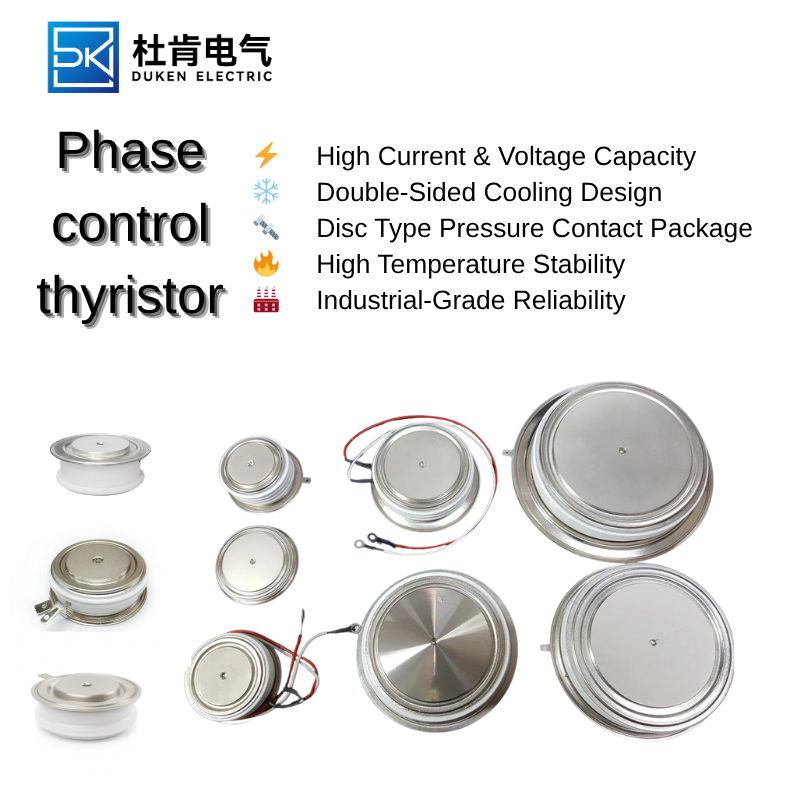
The Importance of Key Features in High Voltage Phase Control Thyristor Manufacturing
Introduction
High voltage phase control thyristors are integral to managing power in industrial systems. These devices regulate high currents and voltages, playing a critical role in various applications such as motor control, power supply regulation, and battery charging. For these components to perform reliably under harsh conditions, manufacturers must incorporate key features that enhance their performance and durability.
In this article, we will explore the most essential features that high voltage phase control thyristor manufacturers must focus on, including high surge I²t capacity, forced-cooling heat sinks, Aluminium housing disc packages, and low leakage current. These features ensure that thyristors perform efficiently and reliably in demanding industrial environments, contributing to the stability and longevity of power systems.
High Surge I²t Capacity for Safe and Reliable Power Regulation
A vital characteristic of high voltage phase control thyristors is their high surge I²t capacity. Surge currents are a common occurrence in industrial systems, particularly during motor startups or load shifts, and can cause significant stress on electrical components. I²t, a measure of the energy dissipated during a surge, indicates how well the thyristor can absorb these energy bursts without sustaining thermal damage.
Thyristors with a high surge I²t capacity are ideal for applications requiring high-current switching, as they provide protection against power surges, minimizing the risk of failure and damage to the system. Manufacturers who prioritize high surge I²t capacity in their designs offer components that can handle sudden changes in load without experiencing damage. This is especially critical in industries such as motor control, battery charging, and electrochemical processing, where power surges are frequent.
By selecting a high voltage phase control thyristor with a high surge I²t capacity, industries can ensure long-term system stability, preventing downtime and costly repairs.
Forced-Cooling Heat Sink for Optimal Thermal Performance
One of the most important considerations when designing high voltage phase control thyristors is thermal management. Forced-cooling heat sinks are essential for dissipating the heat generated by the thyristor during operation, ensuring that the component remains within its optimal temperature range.
High-power applications often generate significant heat, which, if not properly managed, can lead to thermal stress and eventual failure of the thyristor. The integration of forced-cooling heat sinks in the thyristor design helps maintain temperature stability, ensuring that the thyristor continues to perform efficiently even under high thermal loads. This is especially important in systems that require continuous operation, such as motor control and power regulation, where temperature control is essential to prevent overheating.
Manufacturers who incorporate forced-cooling heat sinks into their thyristor designs provide a solution that enhances performance and reliability, ensuring that the thyristor can operate under demanding conditions without risking failure due to excessive heat buildup.
Aluminium Housing Disc Package for Durability and Protection
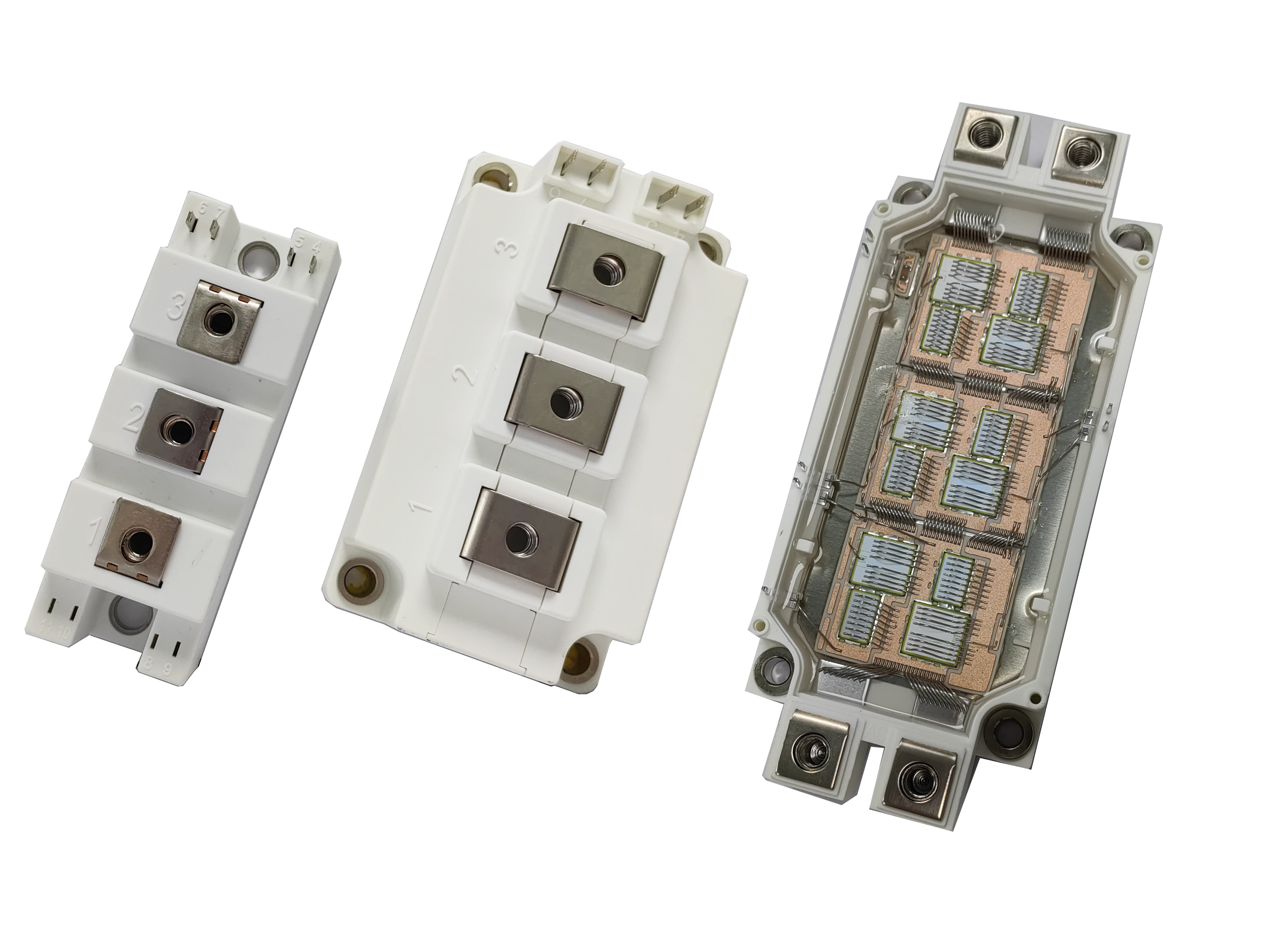
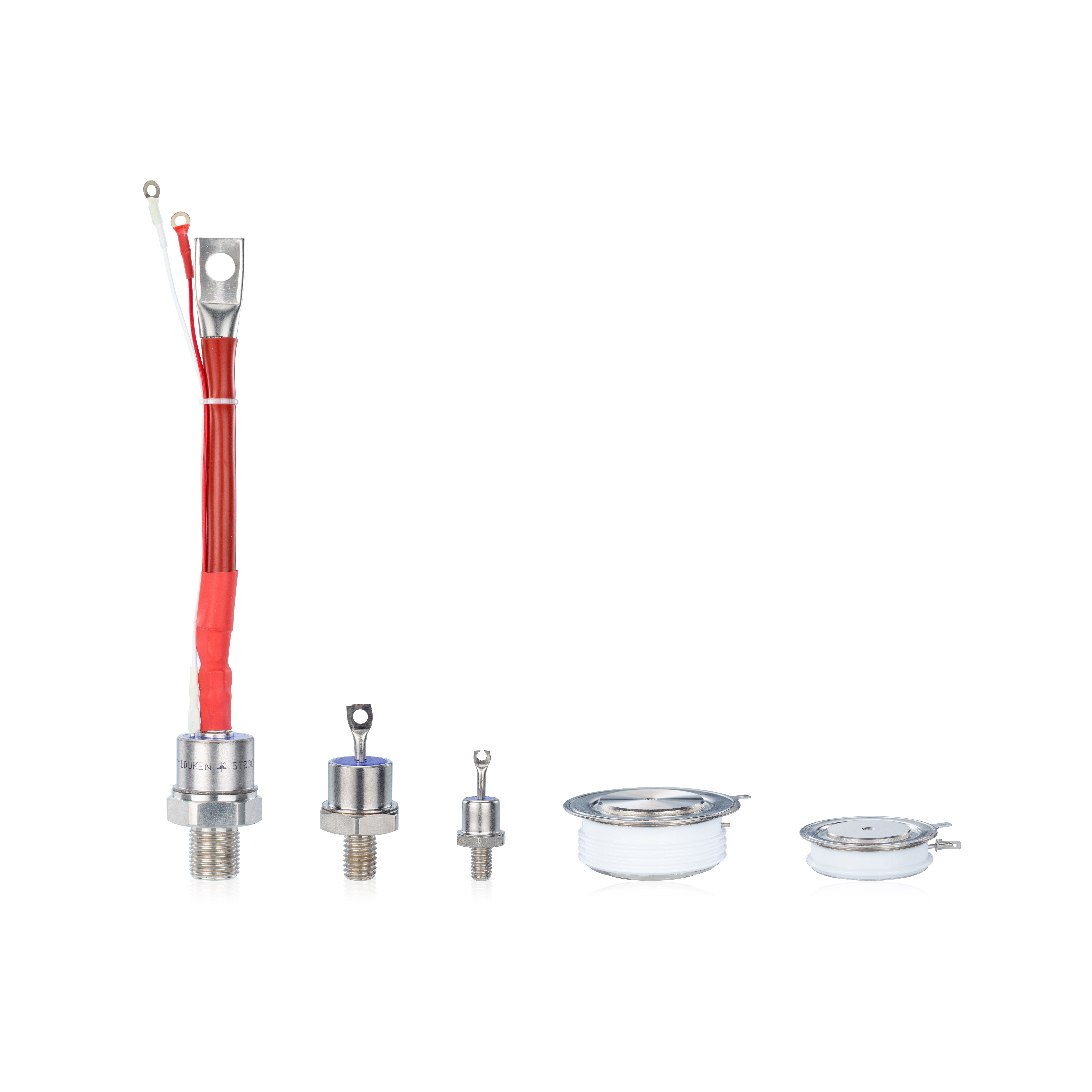
The Aluminium housing disc package is a key feature that provides both mechanical protection and thermal benefits to high voltage phase control thyristors. Aluminium is a highly durable material that shields the thyristor from external elements such as dust, moisture, and physical damage, ensuring that the component remains intact and functional during operation.
In addition to its mechanical protection, Aluminium also serves as an excellent thermal conductor, helping to dissipate heat generated by the thyristor during high-current operation. This thermal conductivity ensures that the thyristor remains within its optimal temperature range, even in high-power applications. Manufacturers who use Aluminium housing disc packages demonstrate their commitment to providing robust, durable, and thermally efficient components that can withstand harsh industrial environments.
By selecting high voltage phase control thyristors with Aluminium housing, industries can ensure that their components remain reliable and efficient over time, even in the most demanding applications.
Low Leakage Current for Energy Efficiency
Low leakage current is a critical feature of high voltage phase control thyristors, particularly in applications where energy efficiency is a priority. Leakage current refers to the small amount of current that flows through the thyristor even when it is in the off-state. Excessive leakage current can lead to unnecessary energy loss, reducing the overall efficiency of the system.
Thyristors with low leakage current are essential for optimizing energy use, as they ensure that power is consumed only when the thyristor is actively conducting. This helps to reduce power losses, improving system efficiency and reducing operating costs. Low leakage current is particularly important in applications such as motor control and battery charging, where every bit of energy counts.
Manufacturers who design high voltage phase control thyristors with low leakage current provide a more energy-efficient solution for industries looking to minimize energy waste and optimize performance.
Conclusion
High voltage phase control thyristors are indispensable components for controlling high-current systems in industrial applications. Manufacturers who focus on high surge I²t capacity, forced-cooling heat sinks, Aluminium housing disc packages, and low leakage current offer products that provide enhanced reliability, efficiency, and durability under demanding conditions.
By selecting a high-quality high voltage phase control thyristor, industries can ensure stable and efficient operation in power-sensitive applications. These key features contribute to the longevity of the component and the overall performance of the power system, making high voltage phase control thyristors an essential part of modern industrial power regulation.