How Technical Support Improves Performance in Demanding Rectifier Applications
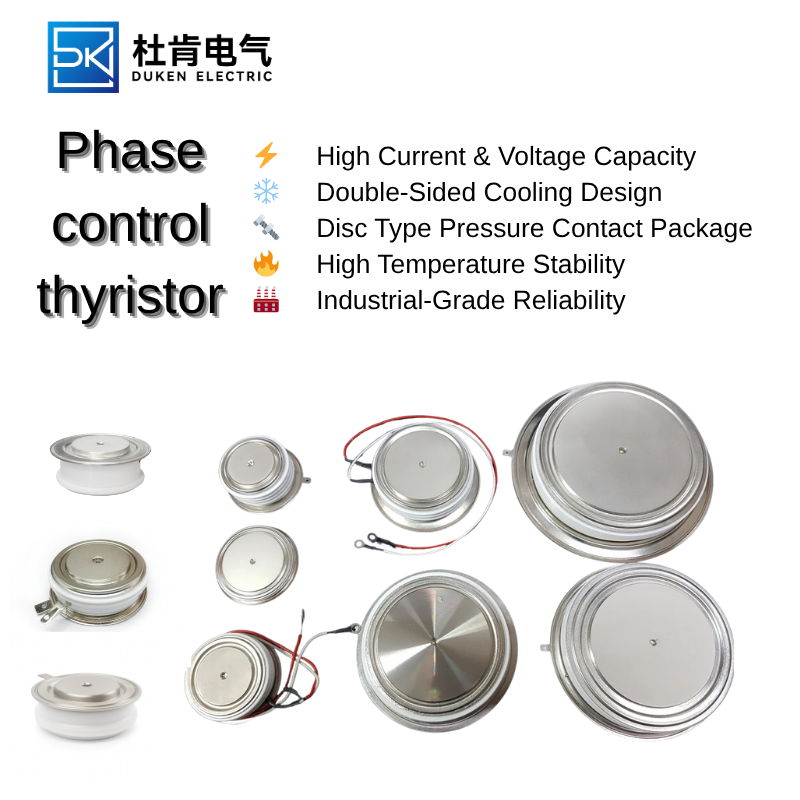
In industrial power electronics, performance is never defined by specifications alone. A high-current semiconductor may be perfectly rated on paper, but the customer still needs the system to start smoothly, control current accurately, and survive years of continuous duty. This is why technical support after delivery plays such a decisive role. For customers using a 3000A phase control thyristor, after-sales service is often the factor that turns a successful installation into a dependable long-term asset. The best support teams do more than respond to failures. They help customers interpret operating conditions, optimize integration, and maintain consistent performance across changing workloads. Whether the application is a furnace power supply, a heavy-duty drive front end, or an electro-plating rectifier, service quality affects efficiency, uptime, and maintenance cost.
The first stage of useful support usually begins with startup and commissioning. Many operating issues are introduced during assembly, not manufacturing. Improper clamping pressure, incorrect pulse synchronization, insufficient cooling airflow, or contamination at contact surfaces can reduce the margin of safety from the first day. A knowledgeable supplier can detect these risks early. In furnace environments, melting furnace rectifiers gate trigger control 3000A phase control thyristor support often includes checking firing sequence stability and verifying that control signals remain clean under the electrical noise produced by the wider installation. These details matter because unstable triggering does not always cause instant failure. Sometimes it creates a pattern of gradual thermal stress that only becomes visible weeks later, when operators start seeing intermittent current instability and rising maintenance frequency.
Service Must Connect Electrical Theory to Plant Reality
One common mistake in after-sales support is treating every case as an isolated component problem. In reality, industrial customers operate in complex environments where several variables shift at once. Ambient temperature changes, production schedules intensify, cooling quality falls, or upstream transformer conditions vary. In drive systems, efficiency is often a priority, so users may request a low on-state voltage drop for DC link rectification in drives 3000A phase control thyristor solution to reduce energy loss and manage cabinet heat more effectively. But that benefit depends on correct installation, balanced operating conditions, and proper coordination with snubber networks and gate drivers. If the service team does not assess the whole system, the customer may never receive the full value of the component they purchased.
Good technical support translates semiconductor characteristics into field-level decisions. It explains why a waveform deviation matters, why one mounting surface condition is acceptable while another is risky, and how minor trigger asymmetry can create major thermal imbalance over time. This is especially important for maintenance departments that do not specialize in power semiconductors every day. They need clear, operational guidance rather than abstract theory. A supplier that can provide this guidance reduces trial-and-error maintenance and gives plant teams a stronger basis for fast corrective action.
Different Industries Need Different Support Priorities
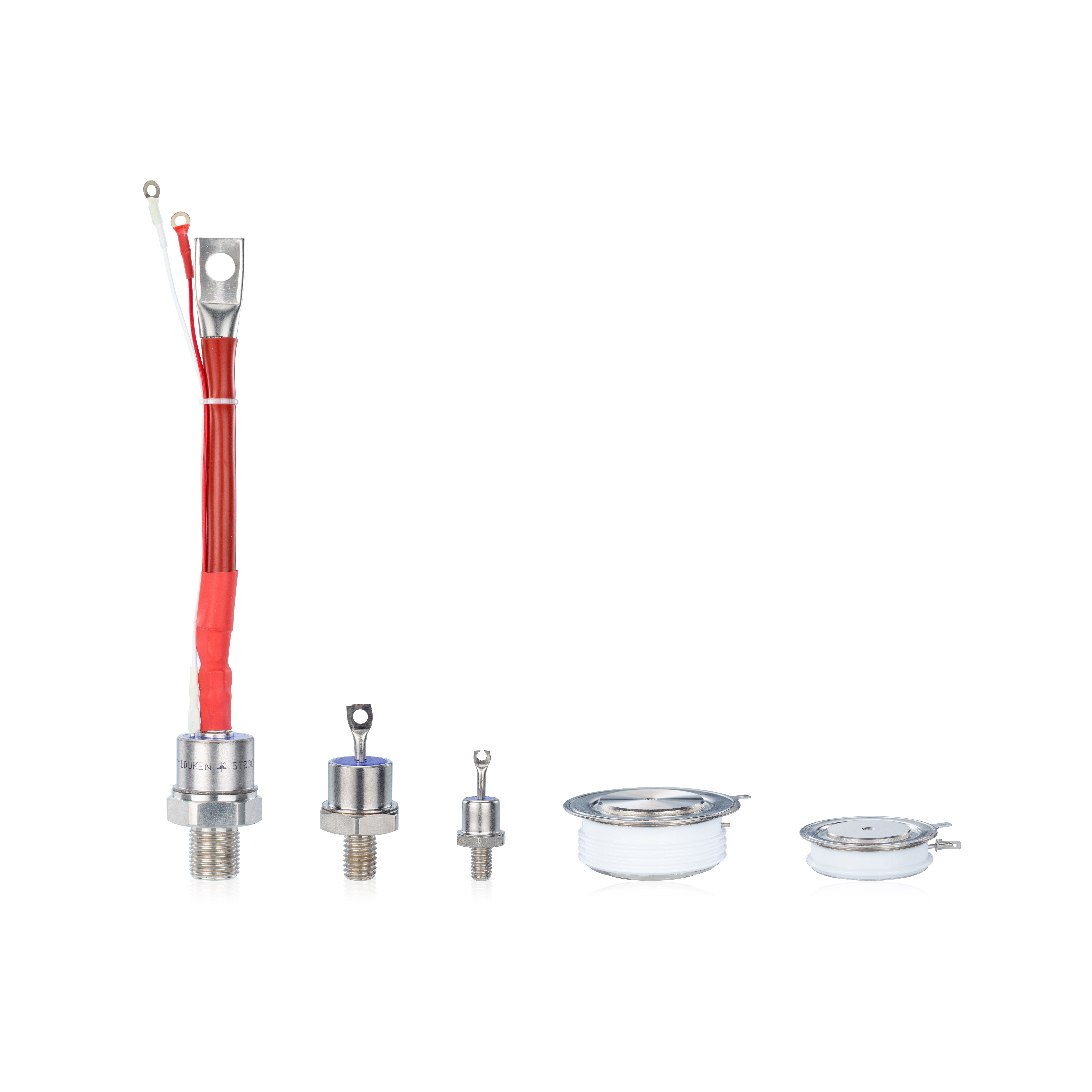
A single 3000A device can serve multiple industries, but service priorities change with the application. In electro-plating, current consistency and resistance to challenging cabinet conditions are central concerns. Customers may prefer an Aluminium housing disc package for electro-plating rectifiers 3000A phase control thyristor because the package supports robust assembly and dependable thermal transfer when used correctly. Yet even the right package can underperform if the customer lacks advice on cabinet cleanliness, cooling maintenance, and inspection frequency. In other words, the product choice and the service model have to reinforce one another.
In drive systems, the service conversation tends to focus on thermal efficiency, load cycles, and long operating hours. Here, a low on-state voltage drop for DC link rectification in drives 3000A phase control thyristor is not only a specification item but a maintenance advantage because lower losses can help reduce sustained thermal stress in the enclosure. In furnace systems, the discussion often centers on firing stability, overload behavior, and process continuity. That is why melting furnace rectifiers gate trigger control 3000A phase control thyristor support should include attention to pulse integrity, cooling water condition where applicable, and event history during peak load periods.
Troubleshooting Should Build Better Future Reliability
Strong after-sales service does not stop once the immediate failure is solved. Every service event should generate useful knowledge for the next maintenance cycle. If a thyristor fails because of insufficient clamping pressure, the supplier should not only replace the unit. The supplier should also help the customer improve installation practice, verify mating surfaces, and check related devices in the same stack. If repeated failures are linked to poor gate pulse shape, that should lead to broader control system review. By turning repair incidents into preventive recommendations, support teams help customers break expensive failure patterns.
Documentation plays a major role here. Customers need service notes that are specific enough to guide future work: torque values, pulse checks, cooling inspections, mounting steps, and warning signs to watch for during routine maintenance. This documentation is particularly valuable when customers operate multiple lines or several sites. One resolved issue can become a reliability improvement across the entire fleet. For electro-plating users, the service record may show why an Aluminium housing disc package for electro-plating rectifiers 3000A phase control thyristor performed better under local environmental conditions. For drive customers, it may confirm how a low on-state voltage drop for DC link rectification in drives 3000A phase control thyristor reduced heat-related service calls. For furnace operators, it may show that better melting furnace rectifiers gate trigger control 3000A phase control thyristor calibration improved process continuity during demanding production runs.
Reliable Support Strengthens Customer Confidence
Industrial buyers do not want uncertainty in their power systems. They want clear answers, practical recommendations, and predictable response when problems occur. This is why technical support should be viewed as part of product quality rather than an optional extra. A capable service team brings together application knowledge, troubleshooting discipline, and communication speed. It helps the customer maintain output while reducing unnecessary replacement, repeated shutdowns, and avoidable integration mistakes.
Over time, this kind of support creates trust. The customer stops seeing the supplier as a company that only ships components and starts seeing a partner that contributes to process stability. That trust is earned through accurate diagnosis, application-specific advice, and continuous attention to operational detail. In demanding rectifier applications, those qualities make technical support one of the most valuable parts of the entire purchase.