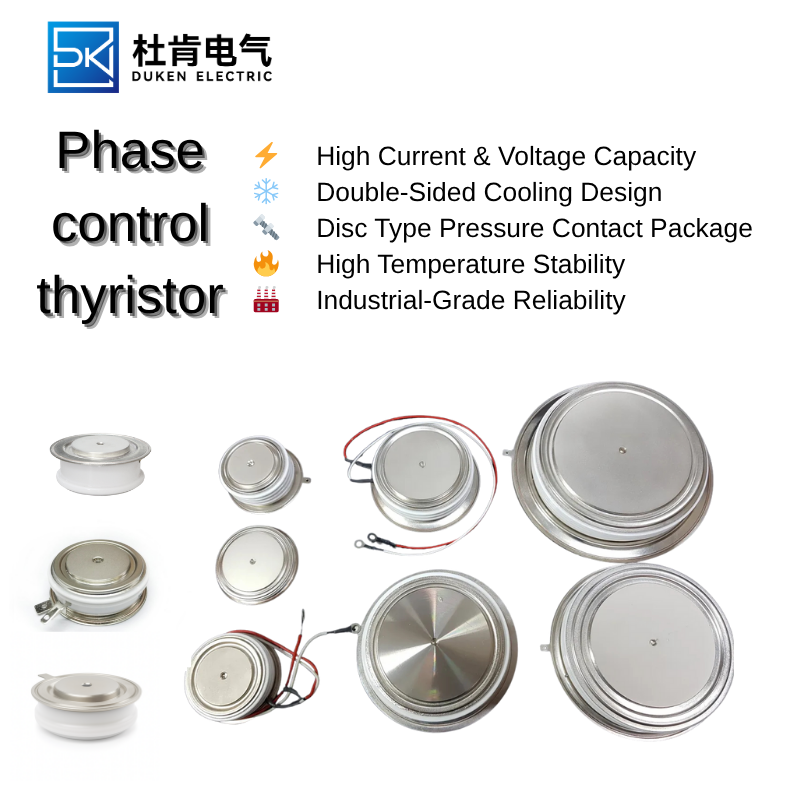
How to Find a Practical Replacement for R2619ZC25J Without Making a Costly Selection Mistake
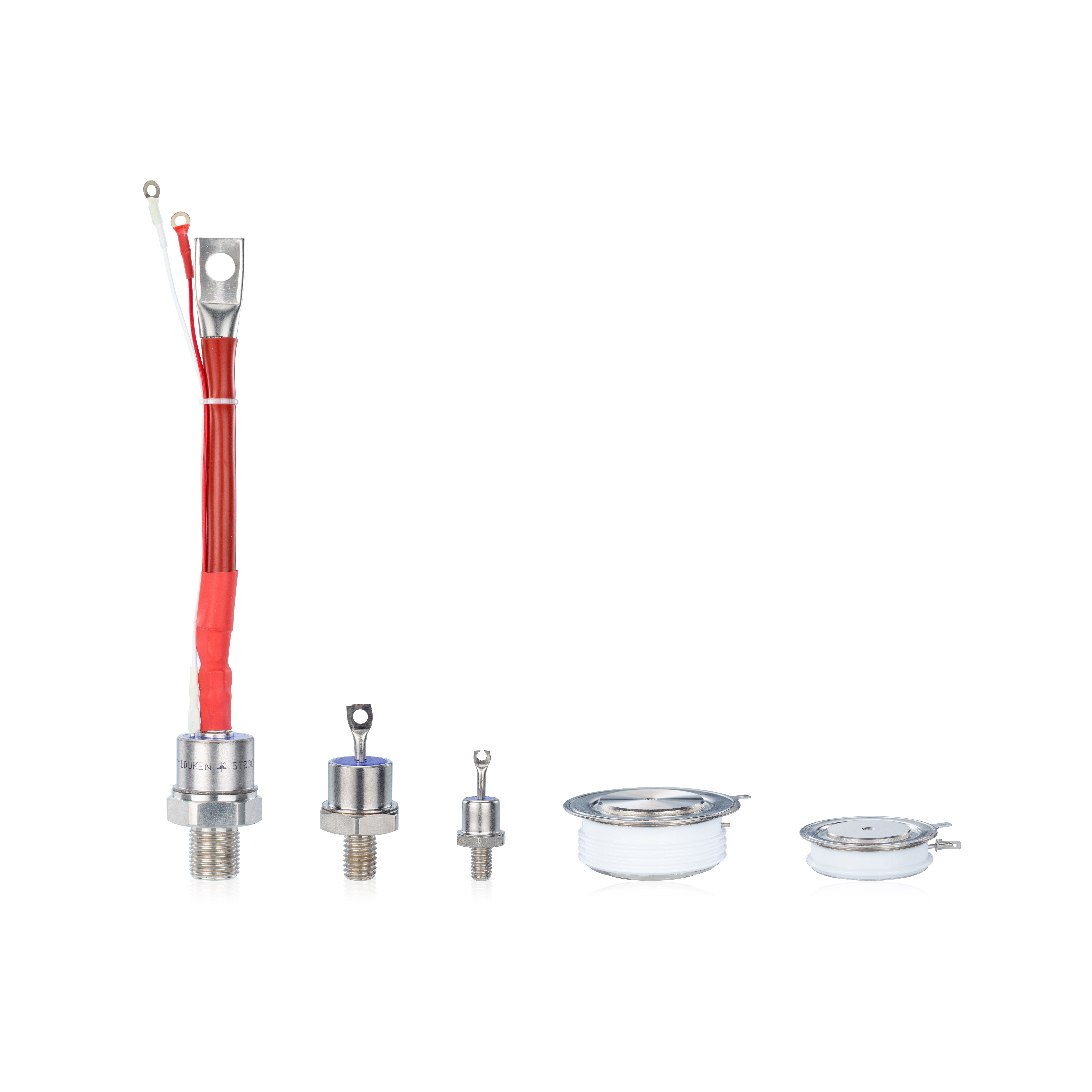
When engineers search for a replacement for a discontinued or difficult-to-source power semiconductor, the first instinct is often to match the headline numbers and move on. That shortcut is risky. A device used in induction heating, pulse power, or high-energy switching is rarely interchangeable just because the voltage class looks similar. If you are evaluating alternatives for the R2619ZC25J induction heating 2500V fast turn-off thyristor, the process has to start with application behavior, not with catalog filtering alone. The same is true when teams are trying to source a substitute for the SEMIDUKEN R2619ZC25J 2500V fast turn-off thyristor or validate an equivalent to the SEMIDUKEN R2619ZC25J 2619A fast turn-off thyristor in an installed system that cannot tolerate field failure.
1. Start with the real operating profile, not only the datasheet headline
A replacement project succeeds when the engineering team defines the actual stress seen by the original part. In many induction heating systems, the thyristor is not just handling nominal current. It is exposed to repetitive surge events, commutation transients, thermal cycling, and waveform distortion caused by the load. Before you compare candidates, document the following:
1.1 Electrical stress window
Capture repetitive off-state voltage, peak transient voltage, average current, RMS current, and non-repetitive surge current. Many replacement searches fail because engineers use only the 2500 V label and ignore the real dv/dt and di/dt environment.
1.2 Switching behavior
Fast turn-off performance matters in resonant and high-frequency power stages. The turn-off time, charge extraction behavior, and commutation margin all influence whether the converter remains stable under heavy load.
1.3 Thermal operating envelope
Record heatsink temperature, case temperature, duty cycle, cooling method, and overload duration. A device that looks acceptable at room temperature may become marginal in a hot cabinet.
2. Match the critical dynamic parameters
The biggest mistake in cross-referencing is assuming that a replacement with equal or higher voltage and current ratings is automatically safe. For a device like the R2619ZC25J induction heating 2500V fast turn-off thyristor, dynamic behavior is often more important than static ratings. Turn-off time, reverse recovery interaction in the surrounding circuit, and permissible current rise rate can all determine success or failure.
2.1 Turn-off time and commutation margin
A candidate part should be evaluated against the converter frequency, the circuit’s commutation method, and the minimum required safety margin. If the substitute turns off more slowly, the system may run normally in a light-load test and then fail under full power.
2.2 dv/dt and di/dt tolerance
High-power induction heating circuits can be aggressive. A replacement for the SEMIDUKEN R2619ZC25J 2500V fast turn-off thyristor must withstand real switching slopes, not just laboratory conditions. Snubber design may need to be adjusted when the new component has different dynamic ruggedness.
2.3 Gate trigger compatibility
Do not assume the existing gate driver is ideal for every candidate. Check trigger current, trigger voltage, pulse width, isolation method, and noise immunity. Even a good part can behave poorly with an underpowered or mismatched gate pulse.
3. Evaluate package, mounting, and thermal path
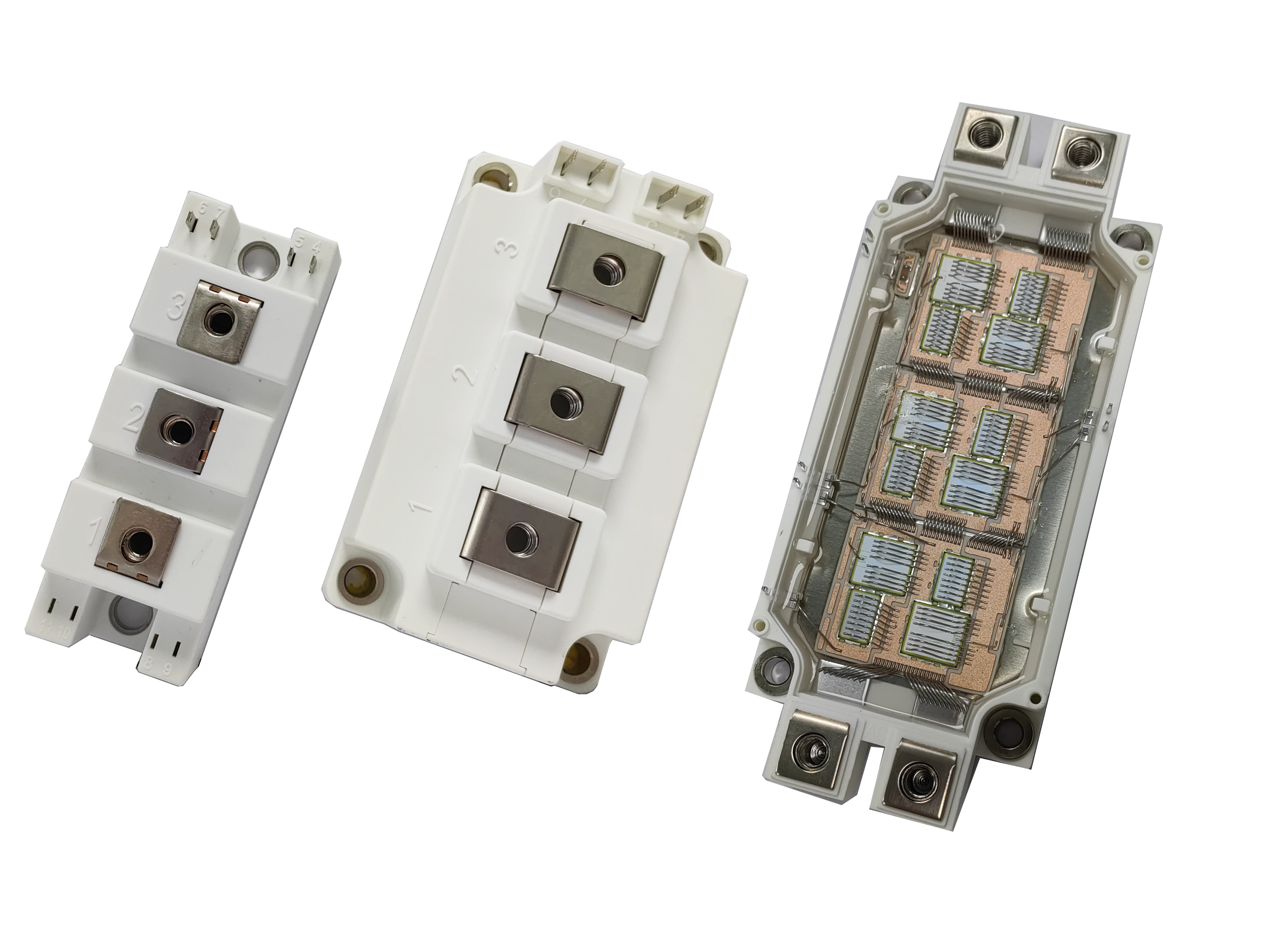
Mechanical compatibility is often underestimated. A replacement for the SEMIDUKEN R2619ZC25J 2619A fast turn-off thyristor must fit not only electrically but also physically and thermally. Package pressure requirements, clamping force, mounting flatness, insulation structure, and interface materials all affect field reliability.
3.1 Mechanical footprint
Confirm outline, terminal arrangement, creepage distance, and service access. A small layout compromise can create maintenance problems later.
3.2 Thermal resistance chain
Look beyond the device itself. Compare junction-to-case thermal resistance, case-to-heatsink interface conditions, and cooling airflow. If the substitute produces even slightly more loss, the extra heat can accumulate quickly in a crowded power assembly.
4. Check supply continuity and qualification strategy
Selection is not only about technical equivalence. It is also about long-term sourcing confidence. When engineers revisit the R2619ZC25J induction heating 2500V fast turn-off thyristor because of lead time pressure, they should build a shortlist that includes not just one candidate, but at least two validated paths.
4.1 Supplier quality and batch consistency
Ask for manufacturing traceability, date code policy, and test coverage. This is especially important when replacing the SEMIDUKEN R2619ZC25J 2500V fast turn-off thyristor in industrial systems where downtime is expensive.
4.2 Validation plan
A serious replacement program includes bench testing, thermal soak, overload verification, switching waveform comparison, and limited pilot deployment. That level of discipline is essential when comparing options against the SEMIDUKEN R2619ZC25J 2619A fast turn-off thyristor because the penalty for underqualification is usually system-level failure, not just component replacement.
5. Build a decision matrix before final approval
Create a weighted comparison table that includes voltage margin, current margin, turn-off time, dv/dt, di/dt, package fit, thermal behavior, driver compatibility, supplier stability, and cost. This prevents procurement pressure from overriding engineering reality. In many cases, the best replacement is not the cheapest one, but the one that preserves circuit behavior with minimal redesign.
In the end, a reliable replacement search for the R2619ZC25J induction heating 2500V fast turn-off thyristor should combine electrical analysis, dynamic testing, thermal review, and sourcing strategy. Teams selecting an alternative to the SEMIDUKEN R2619ZC25J 2500V fast turn-off thyristor should verify system-level performance, while those evaluating substitutes for the SEMIDUKEN R2619ZC25J 2619A fast turn-off thyristor must pay special attention to real application current and commutation stress. That is how you avoid a paper match that becomes a field problem.