Replacing R2619ZC25J in Induction Heating Systems: Thermal, Mechanical, and Gate-Drive Checks You Cannot Skip
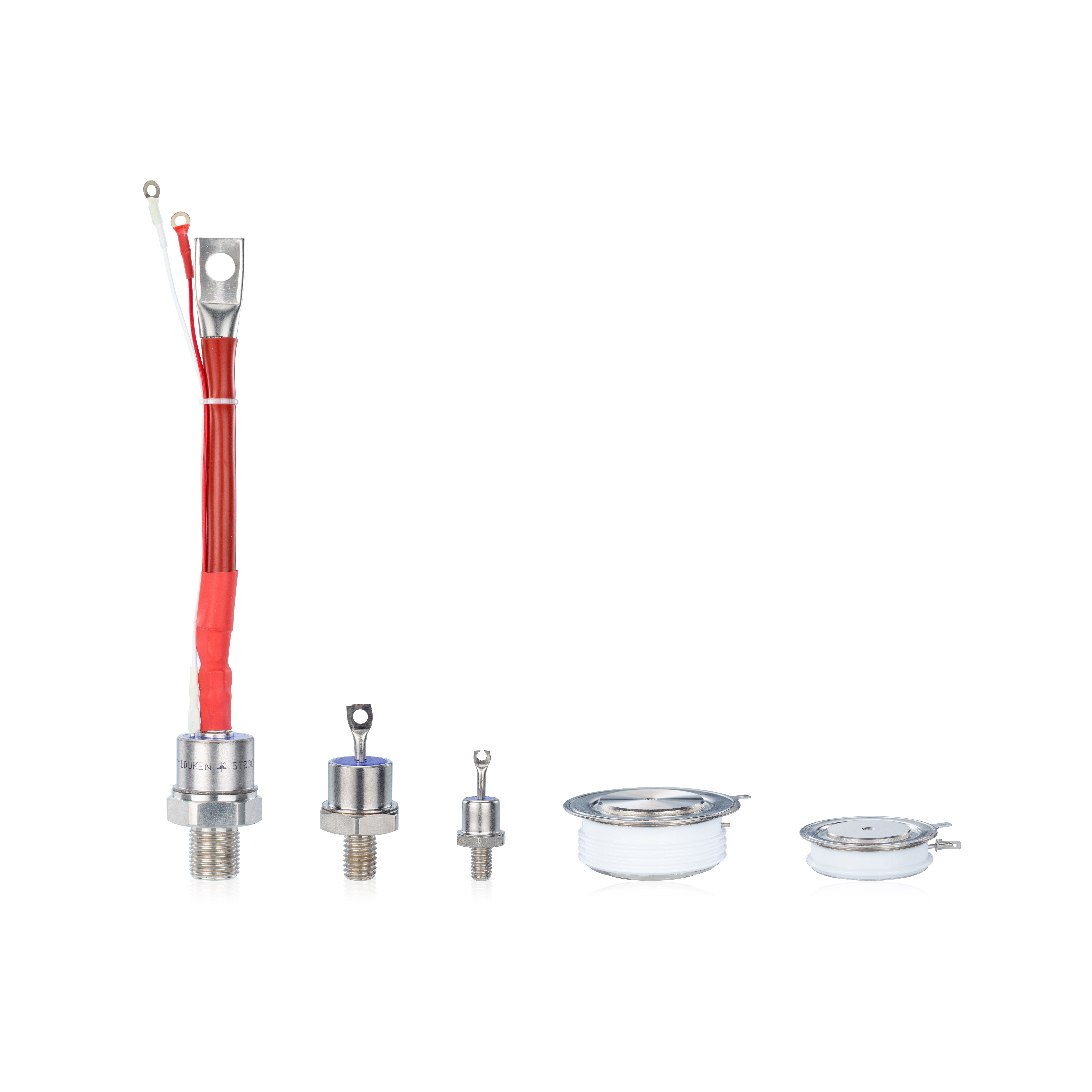
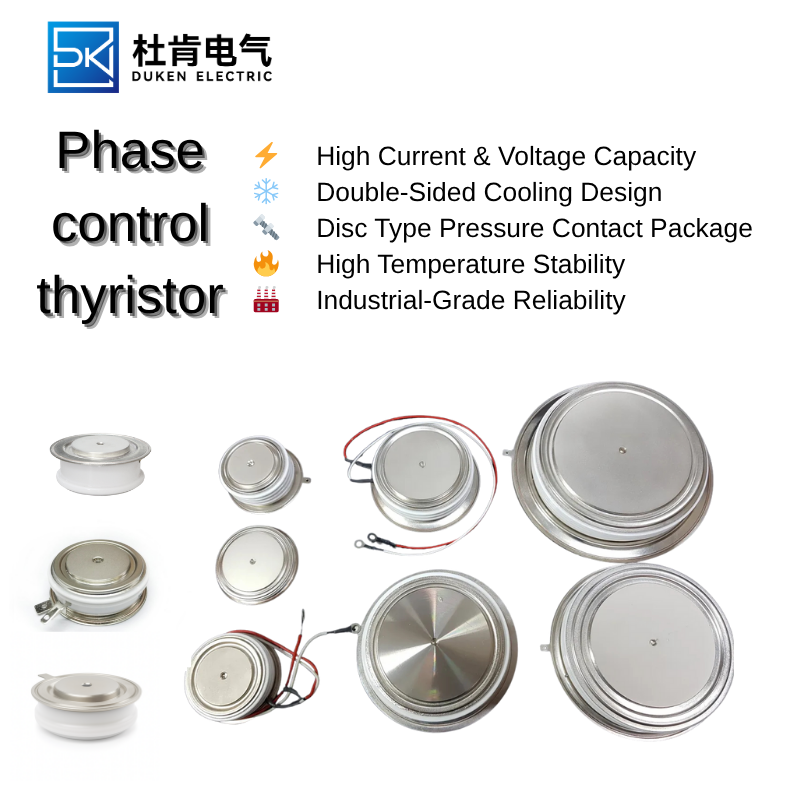
A replacement decision becomes risky when the engineering review focuses too heavily on electrical ratings and ignores integration details. In many real installations, the problem is not whether a candidate can theoretically block 2500 V or conduct high current. The problem is whether it can survive mechanical mounting differences, thermal interface variation, and gate-drive mismatch over years of industrial service. This matters whenever you need an alternative to the R2619ZC25J induction heating 2500V fast turn-off thyristor, and it becomes even more important when comparing candidates for the SEMIDUKEN R2619ZC25J 2500V fast turn-off thyristor or qualifying a field-ready substitute for the SEMIDUKEN R2619ZC25J 2619A fast turn-off thyristor.
1. Thermal compatibility is more than a heatsink calculation
Teams often assume that a candidate with similar current rating will also run at similar temperature. That assumption can be expensive. Small differences in on-state drop, thermal resistance, and mounting pressure can create a large change in junction temperature.
1.1 Review the full thermal chain
Do not stop at junction-to-case data. Compare case flatness requirements, interface material, clamping consistency, heatsink condition, airflow, and cabinet ambient temperature.
1.2 Test under steady and cyclic load
Industrial power systems rarely operate at one constant point. A realistic qualification program for the R2619ZC25J induction heating 2500V fast turn-off thyristor should include repetitive load cycling and hot-condition measurements.
2. Mechanical fit affects reliability
A mechanically awkward substitute may still be installable, but installation convenience is not the same as long-term reliability.
2.1 Package geometry and terminal orientation
Verify mechanical outline, torque specification, isolation requirements, and service access. Poor terminal alignment can increase assembly stress or complicate maintenance.
2.2 Clamping and pressure distribution
If the package relies on controlled mounting force, uneven pressure can change thermal behavior and reduce lifetime. This is a frequent oversight in replacement programs involving the SEMIDUKEN R2619ZC25J 2500V fast turn-off thyristor.
3. Gate-drive matching is often undervalued
A replacement device may require different gate current, pulse width, or trigger conditioning than the original. When the gate-drive network is left unchanged without validation, engineers may see intermittent faults that are difficult to reproduce.
3.1 Trigger current and trigger voltage
Compare the required trigger conditions under temperature and noise stress, not only under ideal bench conditions.
3.2 Pulse shape and isolation
Transformer-coupled or optically isolated drivers may interact differently with a substitute device. Check pulse energy, edge fidelity, and common-mode noise tolerance.
3.3 Noise immunity in the real cabinet
High-power cabinets are noisy environments. A candidate replacement for the SEMIDUKEN R2619ZC25J 2619A fast turn-off thyristor should be tested with real layout parasitics and not only on a clean lab fixture.
4. Field reliability depends on combined fit
A replacement project succeeds when thermal, mechanical, and gate-drive dimensions all support the intended operating life.
4.1 Why isolated screening is dangerous
A thermally acceptable device can still fail if the gate drive is marginal. A perfectly triggered device can still overheat if clamping is poor. A mechanically compatible part can still introduce waveform instability if dynamic parameters differ.
4.2 Use cross-functional approval
The best replacement decisions involve power design, thermal engineering, manufacturing, and procurement together. This is especially valuable when the original part is a specialized device such as the R2619ZC25J induction heating 2500V fast turn-off thyristor.
5. Build a replacement checklist that prevents surprises
Before final approval, verify package dimensions, mounting force, insulation method, gate trigger conditions, thermal resistance path, and hot-load waveforms. Then repeat key tests across multiple units to reduce batch-related risk. Teams handling alternatives to the R2619ZC25J induction heating 2500V fast turn-off thyristor should never sign off on a substitute based only on static datasheet comparison. The same caution applies when purchasing around the SEMIDUKEN R2619ZC25J 2500V fast turn-off thyristor for ongoing production, and it is crucial when validating a new source against the SEMIDUKEN R2619ZC25J 2619A fast turn-off thyristor in maintenance stock.
The lesson is simple: a strong replacement decision is holistic. Thermal fitness, mechanical integrity, and gate-drive compatibility all determine whether the substitute will behave like the original in the field. Skip any of these checks, and the replacement may pass incoming inspection but fail where it matters most.