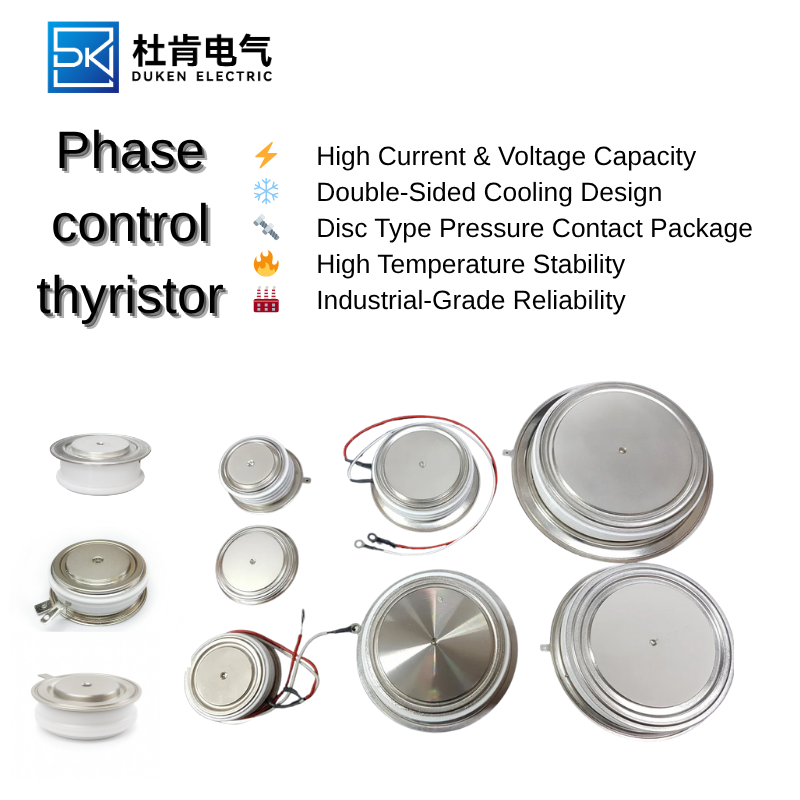
Improving Industrial Power Reliability with an 1800A Phase Control Thyristor for Inverter Systems
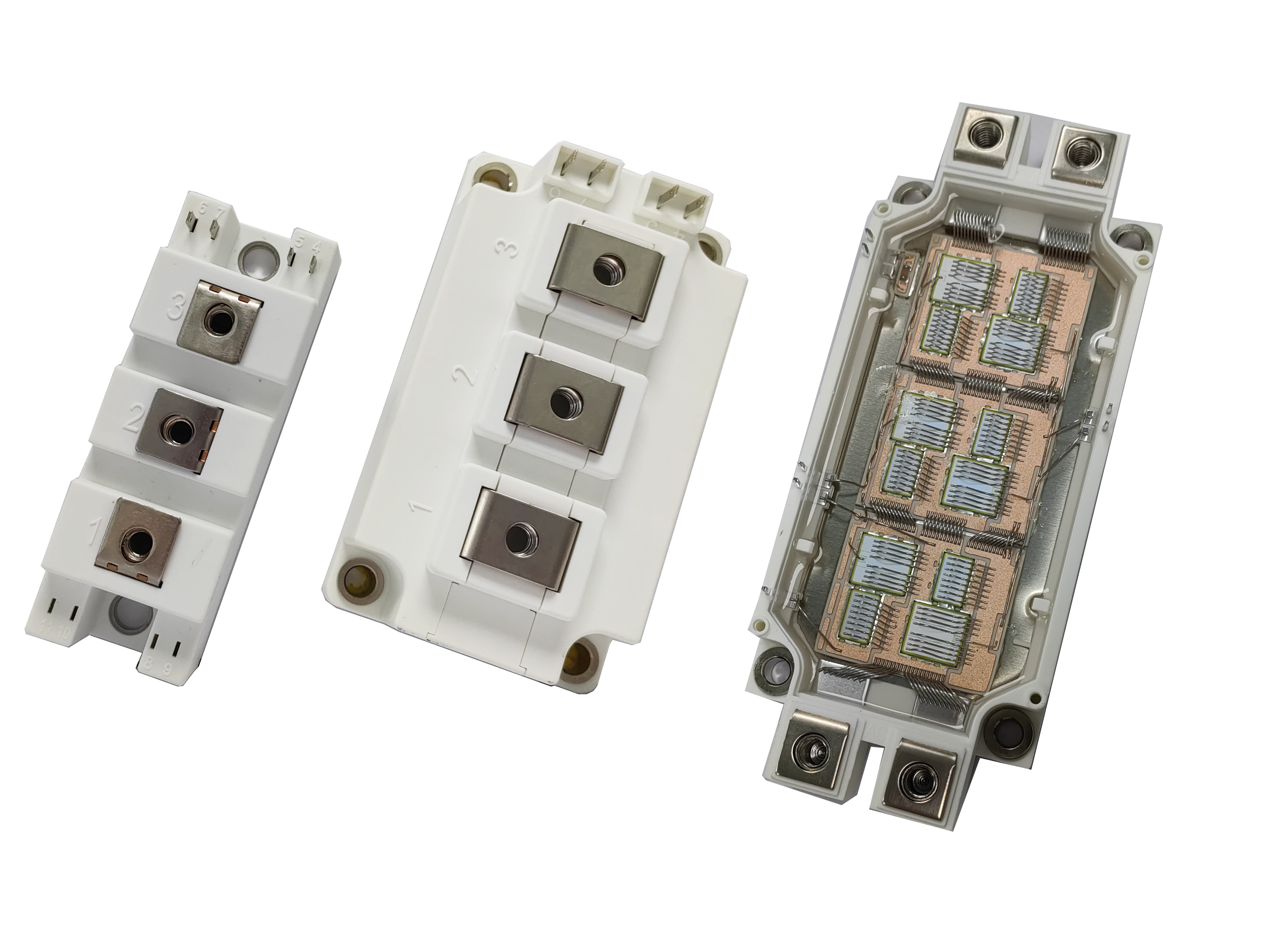
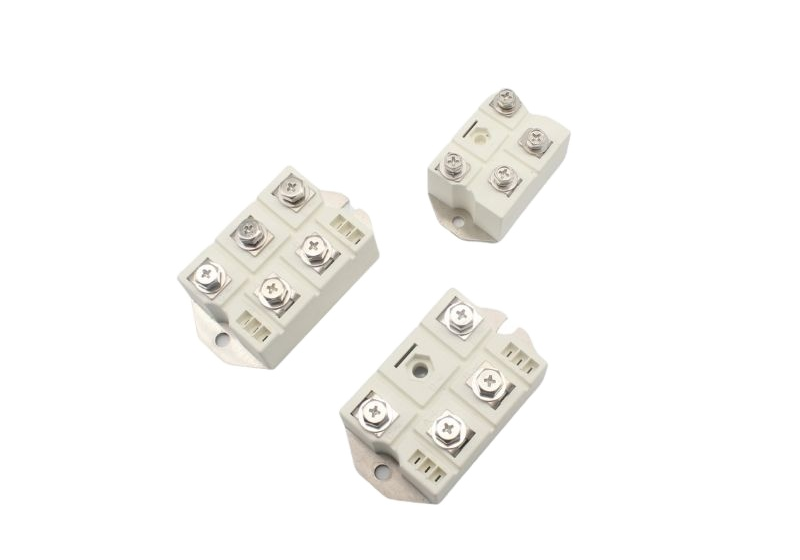
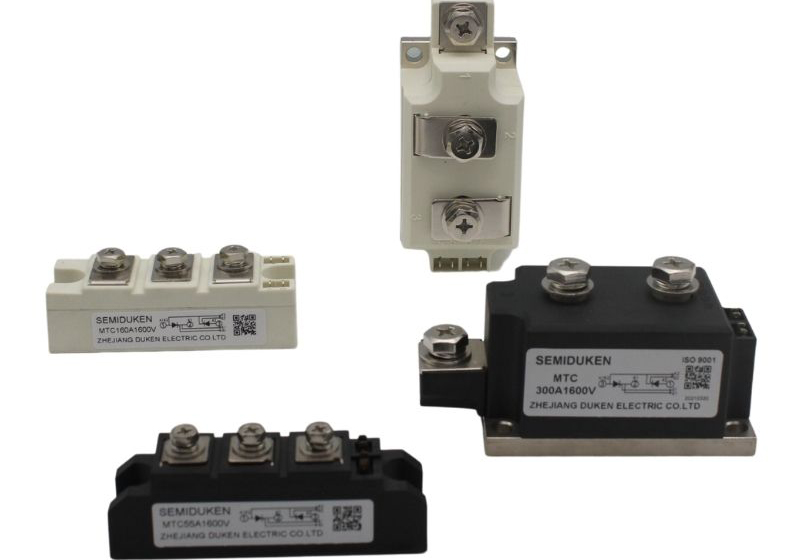
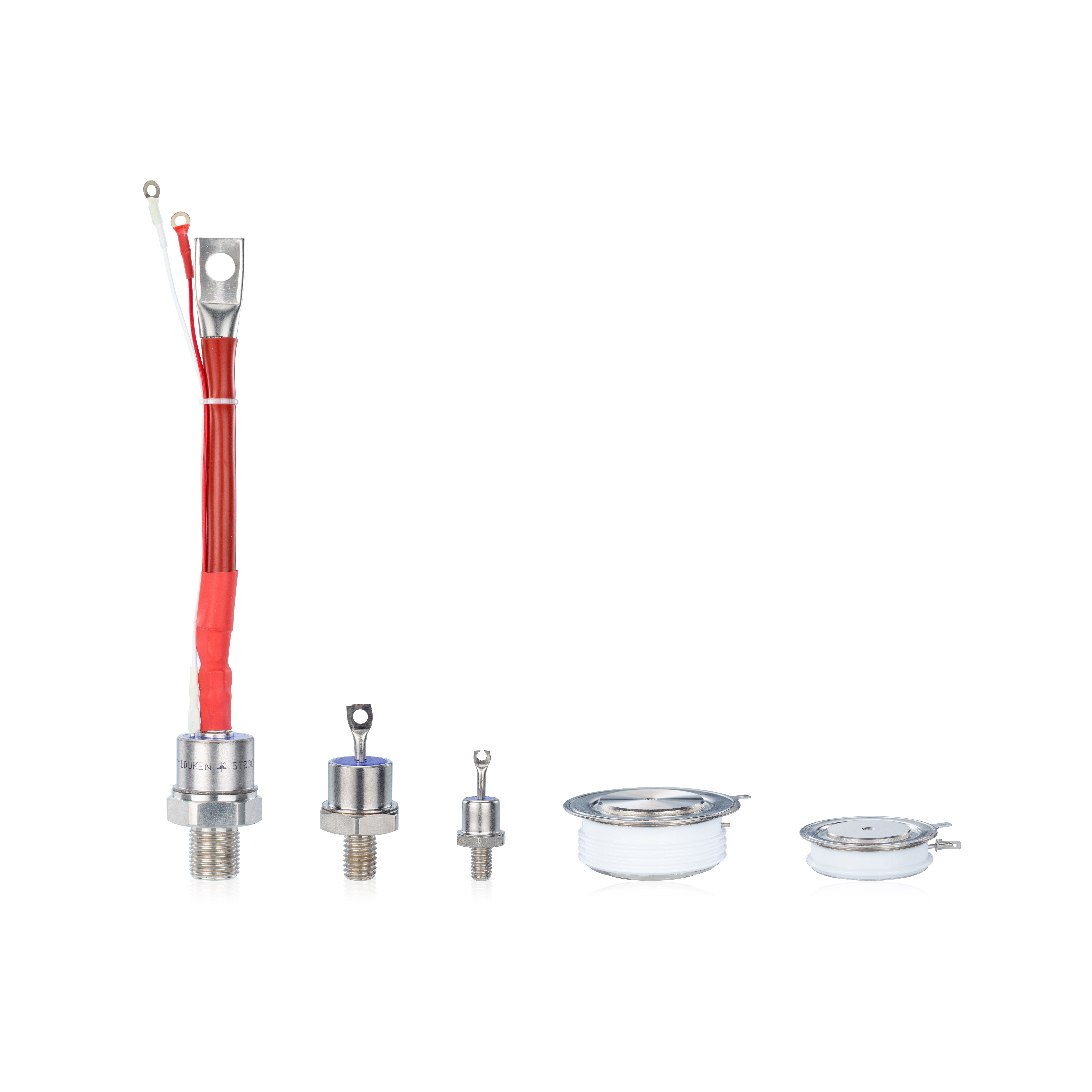
Industrial inverter systems are often required to operate under heavy electrical loads, unstable environments, and continuous production schedules. In these applications, power semiconductor selection has a direct influence on system safety, energy efficiency, and equipment service life. The 1800A phase control thyristor is widely used in high-power inverter platforms because it offers strong current handling, stable control characteristics, and dependable performance in demanding operating conditions.
From mining machinery to electromagnetic heating equipment and large motor drives, modern industrial systems need reliable power control. A thyristor used in these applications must withstand high voltage, manage high current, resist false triggering, and reduce conduction losses. When properly selected and integrated, it becomes a key component for stable inverter operation.
High-Power Control for Mining Equipment
Mining equipment usually operates in harsh environments where dust, vibration, moisture, and heavy mechanical loads are common. Crushers, mills, conveyors, hoists, pumps, and ventilation systems all depend on reliable electrical control. If the power control system fails, production may stop and maintenance costs can rise quickly.
A mining equipment power control 6500 V VRRM 1800A phase control thyristor provides the voltage and current capacity required for these demanding conditions. The 6500 V VRRM rating helps the device withstand repetitive reverse voltage stress, while the 1800A current capability supports high-load industrial operation. This combination is valuable for inverter systems connected to large machines with fluctuating torque and power demand.
In mining applications, electrical stress is often caused by long cable distances, heavy inductive loads, and frequent start-stop operation. A mining equipment power control 6500 V VRRM 1800A phase control thyristor helps improve power stability by offering a strong margin against voltage transients. This makes it easier for engineers to design inverter systems that can operate reliably in remote or difficult environments.
Protecting Equipment from Electrical Stress
The purpose of power control is not only to deliver energy but also to protect connected equipment. Sudden voltage spikes, current surges, and switching disturbances can damage motors, transformers, and control circuits. A properly rated thyristor helps reduce these risks when used with suitable fuses, snubber circuits, cooling systems, and gate control boards.
For heavy-duty mining platforms, a mining equipment power control 6500 V VRRM 1800A phase control thyristor supports safer operation by giving the inverter enough electrical strength to handle abnormal conditions. This can reduce downtime and improve the overall reliability of production equipment.
Stable Performance in Electromagnetic Heating
Electromagnetic heating systems require accurate and responsive power control. These systems are used in metal melting, forging, heat treatment, surface hardening, and other thermal processes. The heating load may change rapidly as the material temperature rises, which places additional stress on the inverter and its semiconductor components.
An electromagnetic heating systems high dv/dt immunity 1800A phase control thyristor is designed to resist false triggering caused by rapid voltage changes. High dv/dt immunity is especially important in heating applications because fast voltage transitions and electrical noise are common. If the thyristor turns on unintentionally, the heating process may become unstable and the power circuit may be exposed to excessive stress.
Using an electromagnetic heating systems high dv/dt immunity 1800A phase control thyristor allows the inverter to maintain controlled switching behavior. This supports more stable temperature regulation, better heating uniformity, and improved product quality. In industries where material performance depends on precise heating, stable thyristor operation is essential.
Improving Process Quality and Efficiency
In electromagnetic heating, the quality of the final product often depends on how evenly and accurately energy is delivered. Unstable power can cause overheating, underheating, material deformation, or inconsistent hardness. A reliable thyristor helps the system maintain a controlled power profile throughout the heating cycle.
An electromagnetic heating systems high dv/dt immunity 1800A phase control thyristor also contributes to system protection. By resisting unwanted turn-on events, it helps prevent circuit imbalance and reduces the likelihood of unexpected shutdowns. When combined with good circuit layout and thermal design, it becomes an important part of a durable industrial heating system.
Soft-Start Motor Drive Advantages
Large industrial motors can create severe electrical and mechanical stress during start-up. Direct starting may cause high inrush current, voltage dips, shaft shock, belt stress, and premature wear of mechanical parts. Soft-start systems solve this issue by gradually increasing the voltage supplied to the motor.
A soft-start motor drive low on-state voltage drop 1800A phase control thyristor is well suited for this role because it allows controlled motor acceleration while reducing conduction losses. Lower on-state voltage drop means less heat is generated when current flows through the device. This improves system efficiency and reduces the load on cooling equipment.
When a soft-start motor drive low on-state voltage drop 1800A phase control thyristor is used in a high-power motor drive, the motor can start more smoothly and safely. This protects both the electrical network and the mechanical system. Applications such as pumps, fans, compressors, conveyors, and crushers can benefit from reduced shock and improved starting reliability.
Reducing Heat and Extending Service Life
Thermal management is one of the most important concerns in high-current systems. Excessive heat can shorten semiconductor life, weaken insulation, and increase failure risk. Because an 1800A thyristor carries very high current, even small improvements in voltage drop can reduce thermal stress significantly.
A soft-start motor drive low on-state voltage drop 1800A phase control thyristor helps lower energy loss during conduction. This supports cooler operation, longer service intervals, and more dependable cabinet performance. In applications with repeated starts, the benefit becomes even more important because heat can accumulate quickly if losses are not controlled.
System Design Considerations
Selecting the thyristor is only one part of successful inverter design. Engineers must also consider the gate drive circuit, protection coordination, insulation design, cooling method, and mechanical mounting. Correct mounting pressure is important because poor contact between the thyristor and heat sink can increase thermal resistance.
Snubber circuits should be designed to control voltage transients and improve switching stability. Fuses or circuit breakers should be selected to protect the thyristor from short-circuit or overload conditions. Temperature sensors can provide early warning before overheating causes failure.
In high-power inverter systems, every detail matters. Cable layout, busbar design, grounding, and cabinet ventilation can all influence thyristor reliability. A strong device must be supported by a strong system design.
Conclusion
The 1800A phase control thyristor is a dependable power semiconductor for industrial inverter systems that require high current control, strong voltage blocking capability, efficient conduction, and stable switching. In mining equipment, it supports rugged high-voltage power control. In electromagnetic heating systems, it helps maintain stable operation under rapid voltage changes. In soft-start motor drives, it reduces starting stress and improves thermal efficiency.
By selecting a thyristor with the right electrical and thermal characteristics, engineers can build inverter systems that operate more safely, efficiently, and reliably. For industries where downtime is expensive and performance consistency is critical, the correct thyristor choice can make a major difference in long-term equipment value.