Induction Heating: The Importance of Device Selection and Surge Protection
Introduction
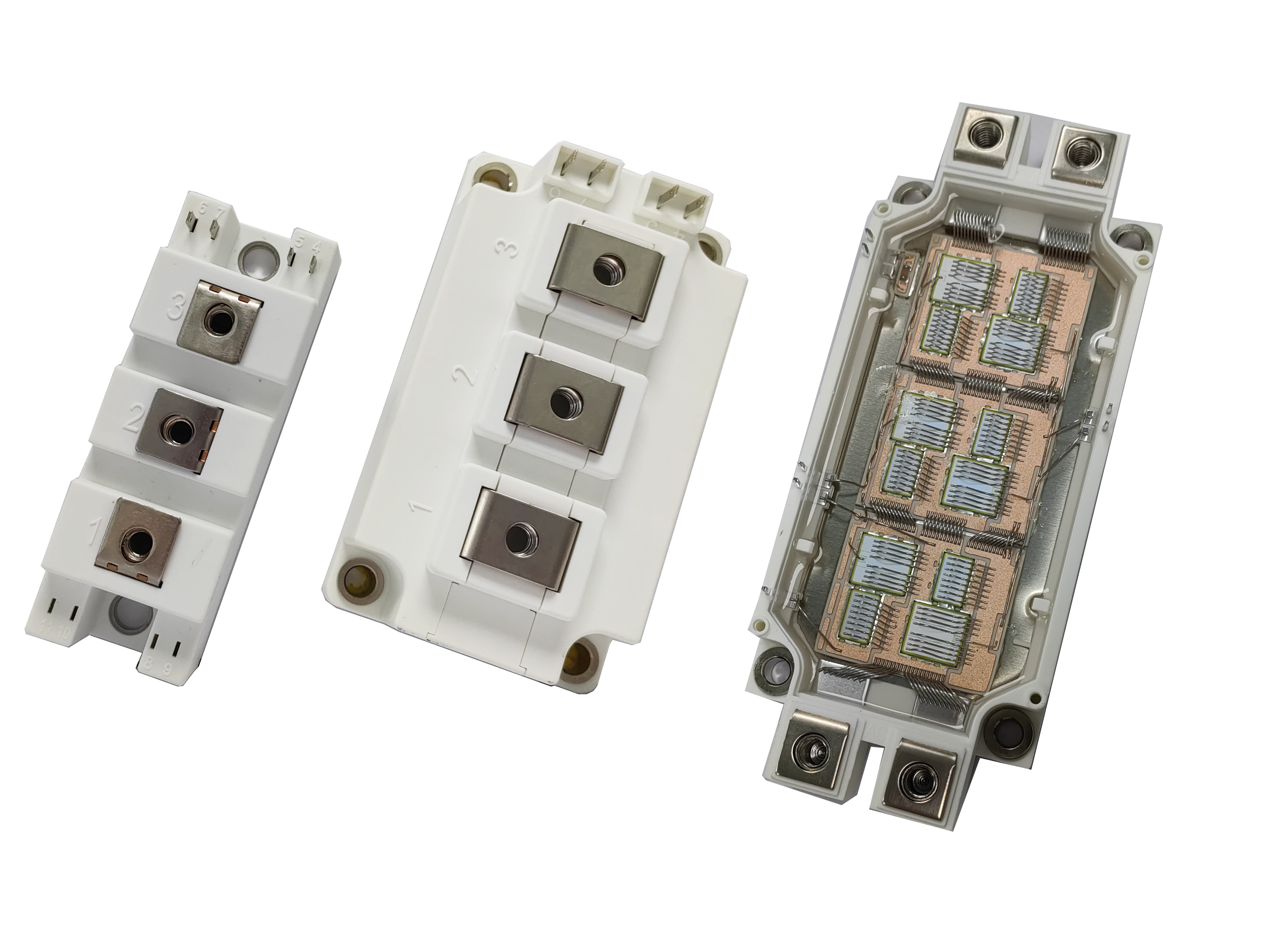
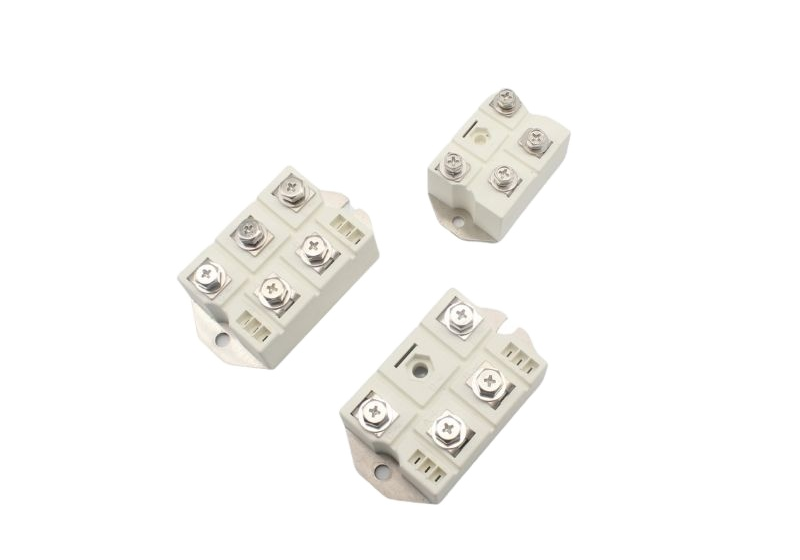
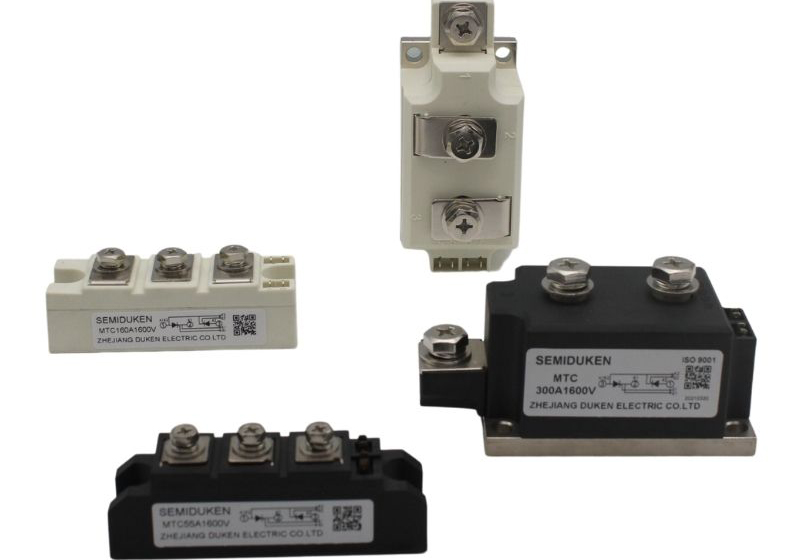
Induction heating has become a widely used technique in various industries, including metal hardening, soldering, and brazing, due to its efficiency and precision. The effectiveness of induction heating depends not only on the power supply but also on the components used, particularly the thyristors that regulate power delivery. In this article, we will explore the importance of selecting the right device for induction heating applications, with a particular focus on the surge-protection screw-terminal anti-parallel 106A thyristor module for UPS systems and its role in ensuring smooth operation and preventing damage to the system.
Section 1: Induction Heating Basics and Power Supply Requirements
Induction heating operates through electromagnetic induction, where an alternating current in a coil generates a magnetic field that induces eddy currents within a workpiece. The heat is produced by the resistance of the material to these currents. A key aspect of induction heating systems is the power supply, which must be able to provide stable and controlled power to achieve precise heating.
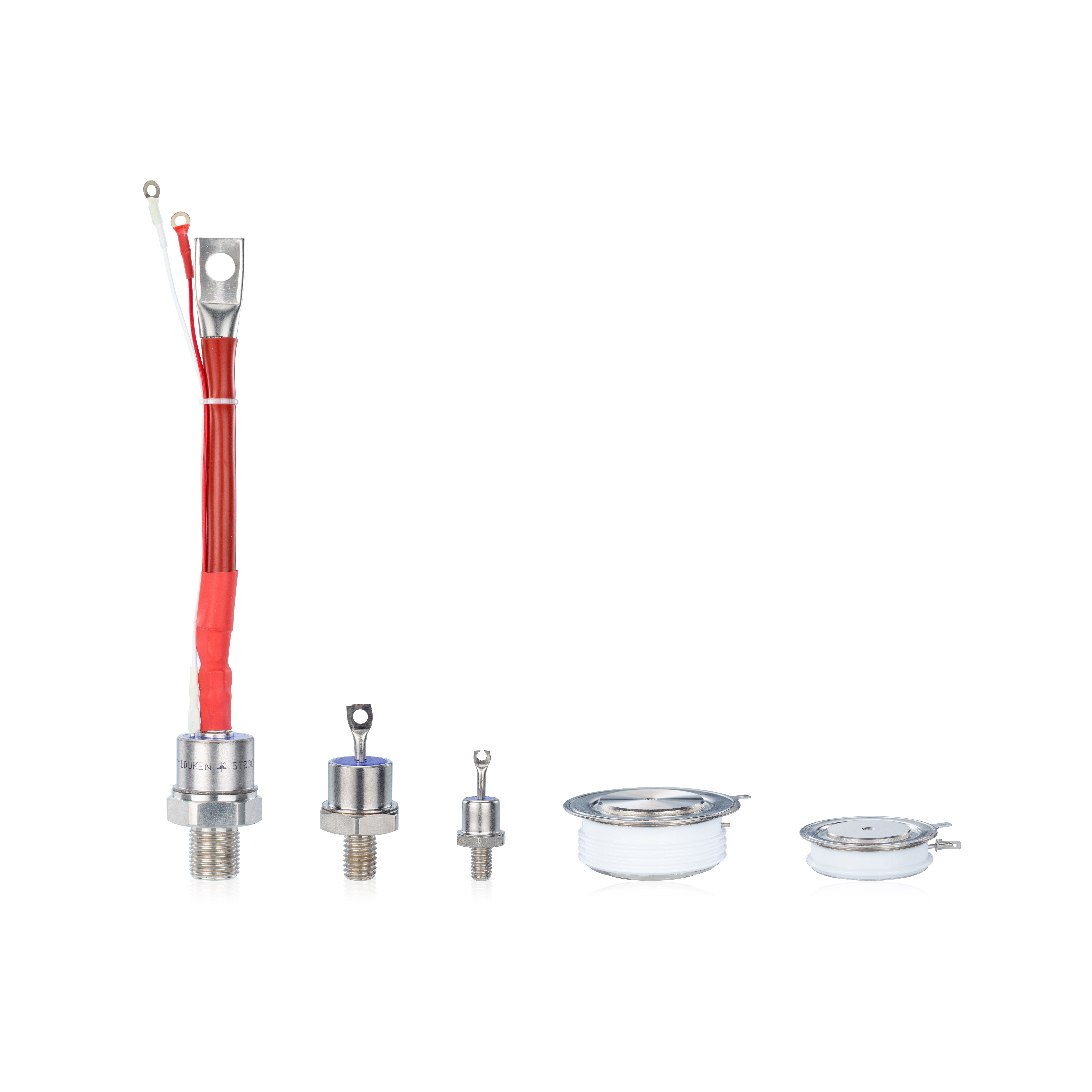
The power supply for induction heating systems often uses phase-controlled devices, where the thyristor is the most commonly used component. Thyristors can switch on and off rapidly to control the power supplied to the heating coil. This ability to finely control the timing of the electrical supply allows for precise temperature regulation, essential in applications like hardening or brazing.
Section 2: The Role of Surge-Protection in Induction Heating
Surge protection is critical in induction heating systems, where power surges and current spikes are common. These surges can damage sensitive components in the system, such as the thyristors, leading to costly repairs or downtime. The surge-protection screw-terminal anti-parallel 106A thyristor module for UPS systems is designed specifically to handle these surge conditions. This module ensures that the system remains stable even during inrush currents or voltage spikes that might occur when switching on or during load changes.
The surge-protection feature of the 106A thyristor module prevents transient voltage from reaching other components, ensuring the longevity of the induction heating system. The module absorbs and dissipates these power surges, protecting the system from potential damage and allowing for continuous operation.
Section 3: Cooling and Thermal Management in Induction Heating Systems
Induction heating systems generate significant amounts of heat during operation. Effective thermal management is essential to maintaining the reliability and efficiency of the system. The 106A thyristor module features forced-air-cooling and low Rth(j-c), which is the junction-to-case thermal resistance, to ensure efficient heat dissipation.
By maintaining a low thermal resistance, the 106A thyristor module ensures that the thyristor remains within safe operating temperatures, even under high-current conditions. This prevents overheating and extends the life of the module and the entire induction heating system. Forced-air-cooling enhances this capability, enabling the system to operate in high-power applications without compromising performance or reliability.
Section 4: Device Selection and System Efficiency
When designing an induction heating system, selecting the right thyristor module is crucial to ensuring optimal efficiency and performance. The surge-protection screw-terminal anti-parallel 106A thyristor module is an excellent choice because of its high current-handling capability and protection features. OEMs (Original Equipment Manufacturers) can rely on this module to provide reliable surge protection, efficient cooling, and consistent performance.
Choosing the right device, such as the 106A thyristor module, ensures that the induction heating system can handle high-power loads while maintaining stable operation. This is particularly important in industrial applications, where downtime and system failures can be costly. The 106A thyristor module’s reliability and surge protection make it a preferred component in high-performance systems.
Section 5: Conclusion
Induction heating systems require precise control and reliable components to ensure consistent performance. The surge-protection screw-terminal anti-parallel 106A thyristor module for UPS systems provides excellent protection against voltage surges, preventing damage to sensitive components and ensuring system reliability. Additionally, the module’s forced-air-cooling and low Rth(j-c) design ensure efficient thermal management, making it ideal for demanding industrial applications.
For OEMs designing induction heating systems, the 106A thyristor module is an essential component that provides surge protection, efficient cooling, and high-performance capabilities. By selecting the right device, OEMs can ensure that their induction heating systems operate reliably and efficiently, minimizing downtime and enhancing overall system performance.