Optimizing Surge Protection with Low Forward-Voltage 106A Thyristor Module for UPS Systems
As the demand for reliable power grows across various industries, uninterruptible power supplies (UPS) have become a critical component in safeguarding sensitive electronic systems. At the core of these systems are thyristor modules that control power flow and ensure stable and continuous operation. The low forward-voltage 106A thyristor module is an essential element in ensuring surge protection, reducing power losses, and maintaining overall system efficiency. This article explores the features and benefits of this advanced thyristor module and how it contributes to the enhanced performance of UPS systems.
Understanding the Role of Thyristor Modules in UPS Systems
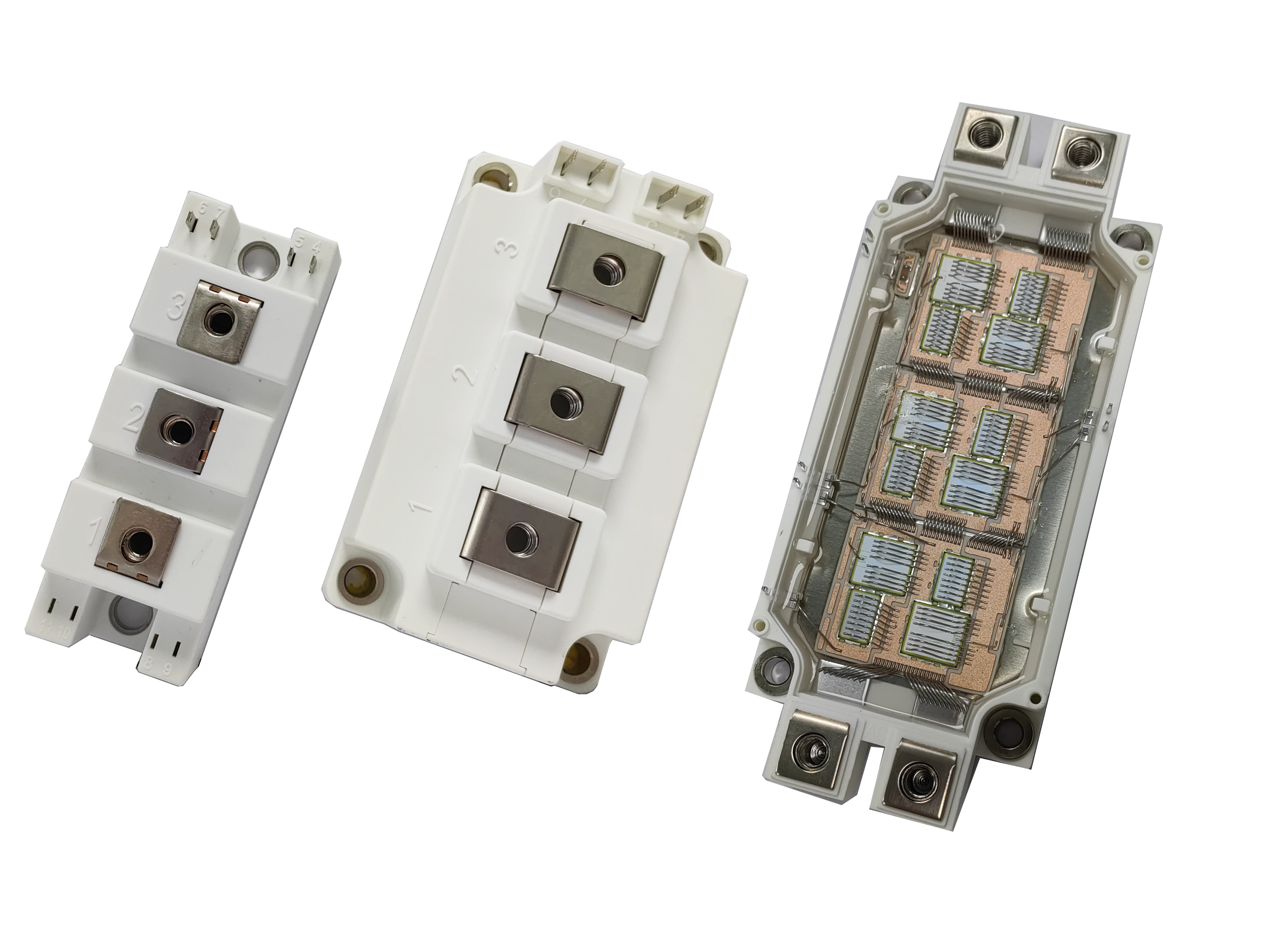
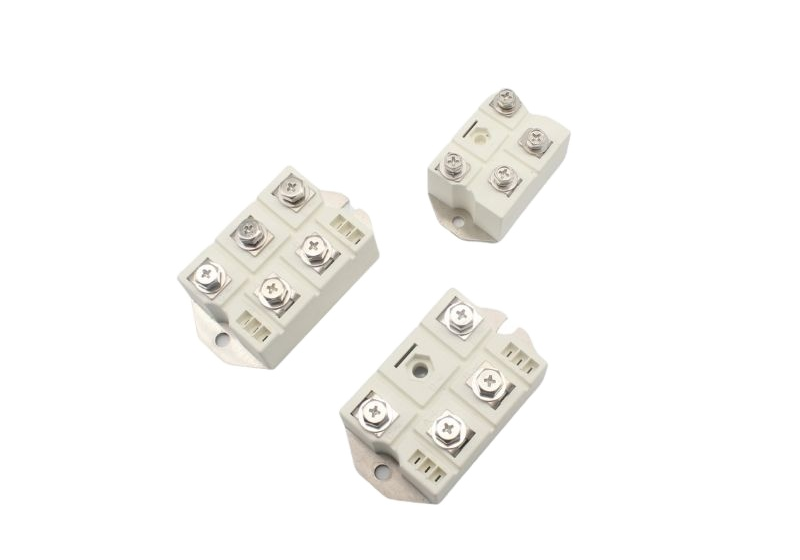
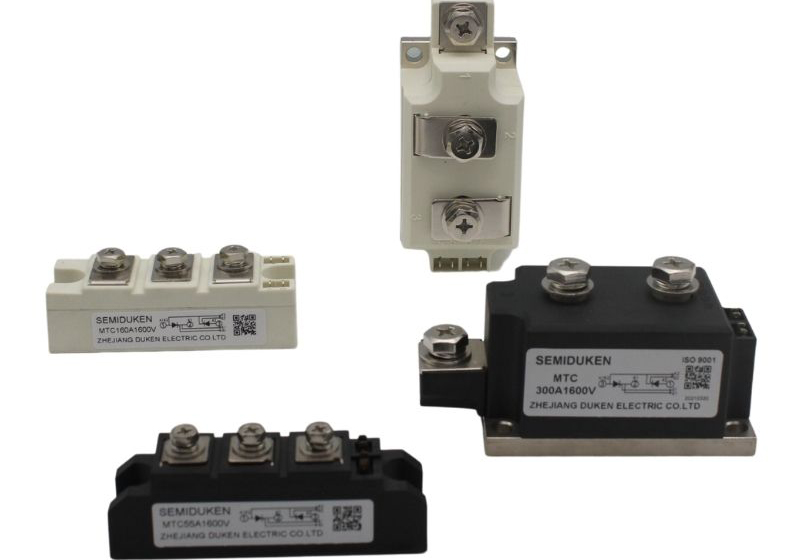
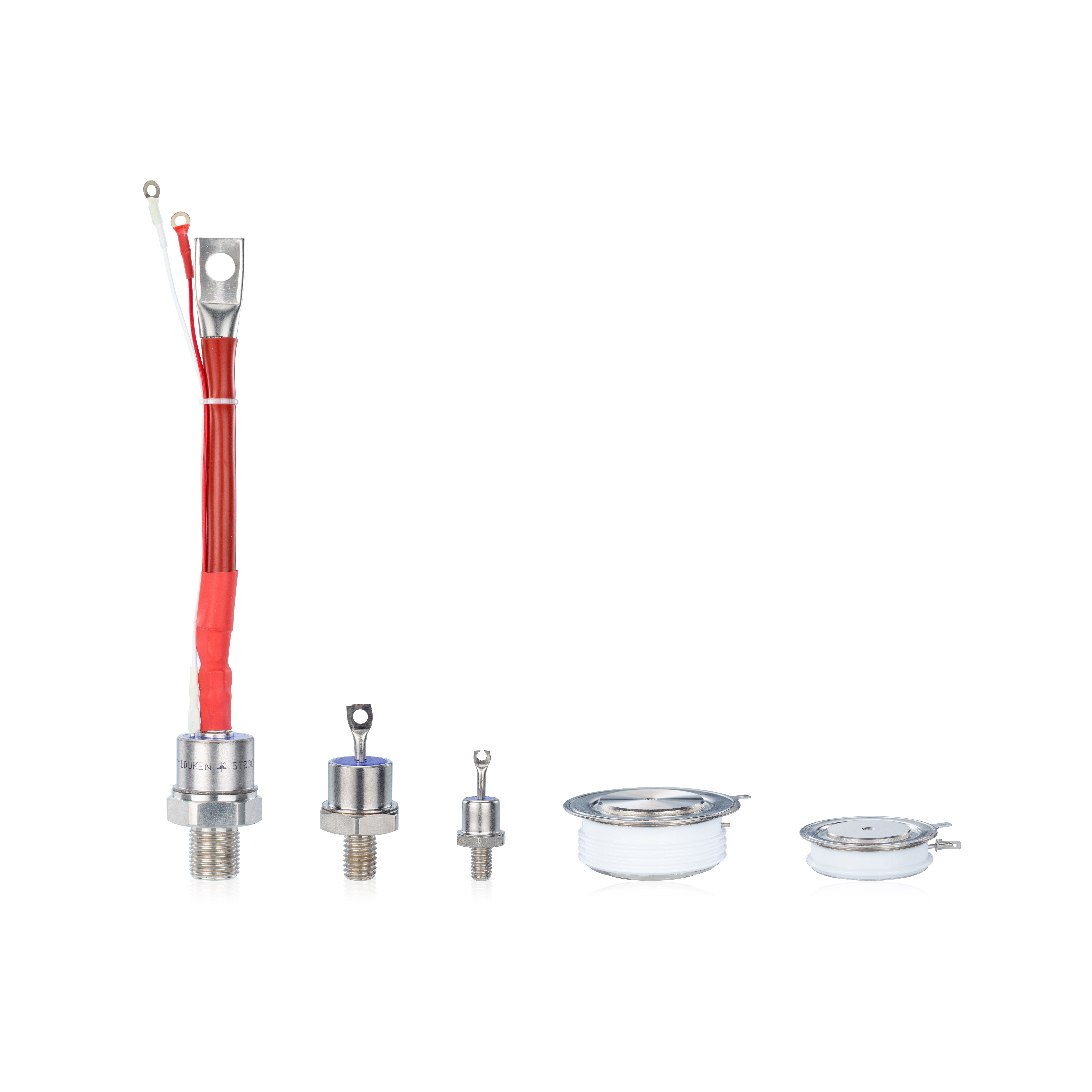
Thyristor modules are semiconductor devices used in UPS systems to control the flow of electrical power. These modules act as a switch that regulates the power supply, ensuring that the UPS system can maintain a stable output despite fluctuations in the incoming voltage. The low forward-voltage 106A thyristor module is specifically designed to handle surge protection and power regulation tasks with minimal energy loss, making it ideal for high-performance UPS systems.
UPS systems are critical in a wide range of industries, including telecommunications, healthcare, data centers, and industrial automation. The reliability of these systems hinges on the performance of the thyristor modules, which must operate efficiently under varying power conditions. The low forward-voltage 106A thyristor module is engineered to meet these demands, offering excellent surge protection and low power loss, ensuring continuous operation of the UPS system.
Surge Protection: Preventing Damage from Power Spikes
One of the primary functions of the low forward-voltage 106A thyristor module is to provide surge protection for the UPS system. Power surges, which can occur due to lightning strikes, grid instability, or equipment malfunctions, pose a significant threat to sensitive electronic systems. These surges can cause irreversible damage to electrical components, leading to costly repairs and downtime.
The low forward-voltage 106A thyristor module is specifically designed to absorb and dissipate these power surges, preventing them from reaching the critical components of the UPS system. This capability ensures that the system can continue operating without interruption, even during unexpected voltage spikes. Surge protection is especially important in industries where uptime is critical, such as healthcare facilities, data centers, and telecommunications infrastructure.
Low Forward-Voltage Design: Maximizing Efficiency
The low forward-voltage characteristic of the 106A thyristor module is another key feature that enhances the performance of UPS systems. The forward-voltage drop refers to the voltage difference between the anode and cathode of a thyristor when it is conducting current. A lower forward-voltage drop results in less energy loss during operation, which translates into improved efficiency and reduced heat generation.
In high-power applications, the low forward-voltage design helps to minimize energy losses, ensuring that the UPS system operates at optimal efficiency. This is particularly beneficial for industries that require continuous operation without interruption, where every bit of energy savings contributes to lower operational costs and reduced environmental impact. Additionally, the reduced heat generation extends the lifespan of the UPS system's components, reducing the need for maintenance and replacement.
Applications of Low Forward-Voltage 106A Thyristor Module in UPS Systems
The low forward-voltage 106A thyristor module is ideal for use in high-performance UPS systems across a wide range of applications. In industries such as telecommunications, data centers, and industrial automation, UPS systems play a crucial role in ensuring that critical equipment remains powered during outages or power fluctuations.
The low forward-voltage 106A thyristor module helps to protect these systems from power surges while maintaining high efficiency, which is essential for ensuring the continuity of operations. Whether used in backup power systems for hospitals or as part of a large-scale industrial automation project, the low forward-voltage 106A thyristor module ensures that the UPS system can handle sudden power spikes without compromising performance or reliability.
Key Benefits of the Low Forward-Voltage 106A Thyristor Module
Surge Protection: The module protects UPS systems from power surges, preventing damage to sensitive equipment and ensuring continuous operation.
Improved Efficiency: The low forward-voltage design minimizes energy losses, improving the overall efficiency of the UPS system.
Reduced Heat Generation: The low forward-voltage characteristic reduces the amount of heat generated during operation, extending the lifespan of the system components.
Cost Savings: By minimizing energy losses and reducing the need for maintenance, the 106A thyristor module helps lower operational costs.
Enhanced Reliability: The module's ability to handle power surges and operate efficiently under varying conditions ensures that the UPS system remains reliable and functional, even in challenging environments.
Conclusion
The low forward-voltage 106A thyristor module is a crucial component for enhancing the performance and reliability of UPS systems. By providing surge protection, improving efficiency, and reducing heat generation, this module ensures that critical power systems can operate continuously without failure. As the demand for reliable and efficient UPS systems continues to grow, the role of advanced components like the low forward-voltage 106A thyristor module will become increasingly important in ensuring the stability and efficiency of power systems worldwide.