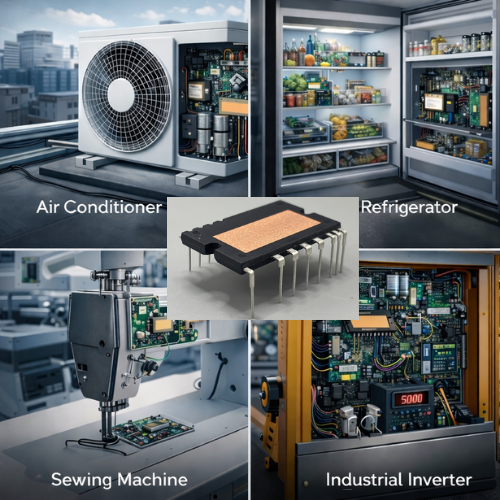
Small Size, Big Output: How DK20S60NXD Elevates Low-Power Inverter Efficiency
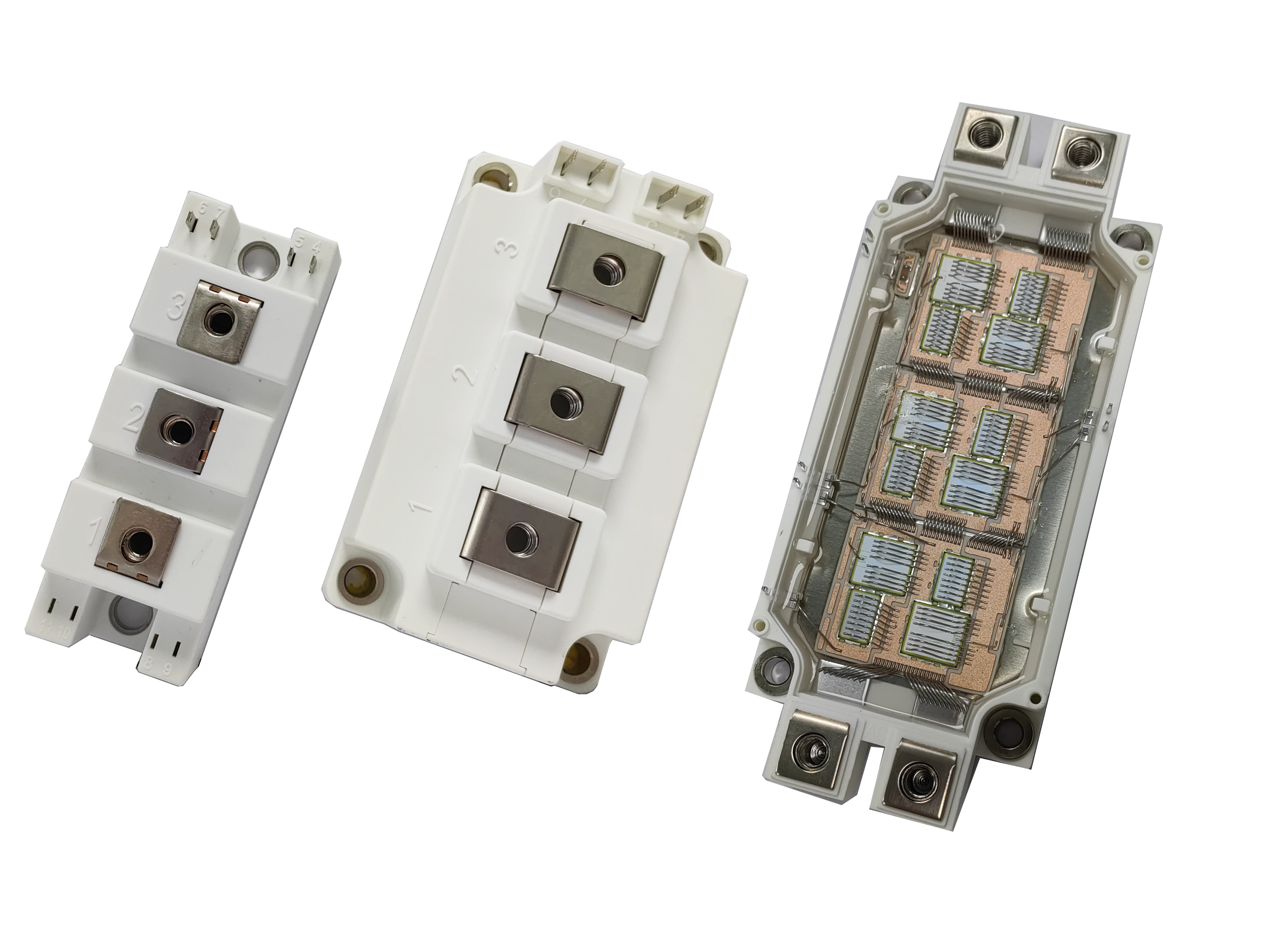
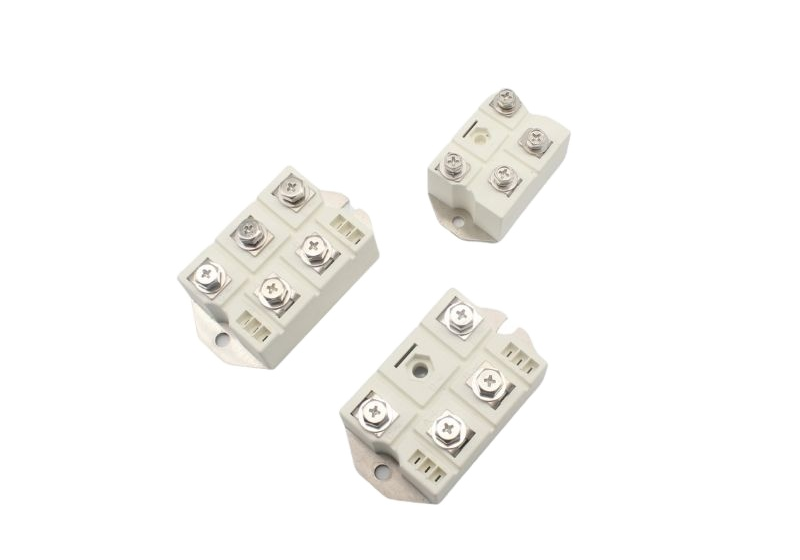
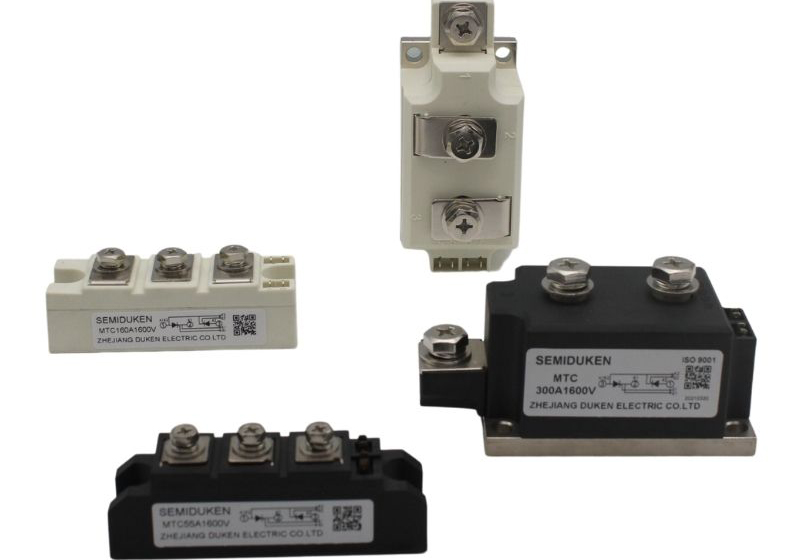
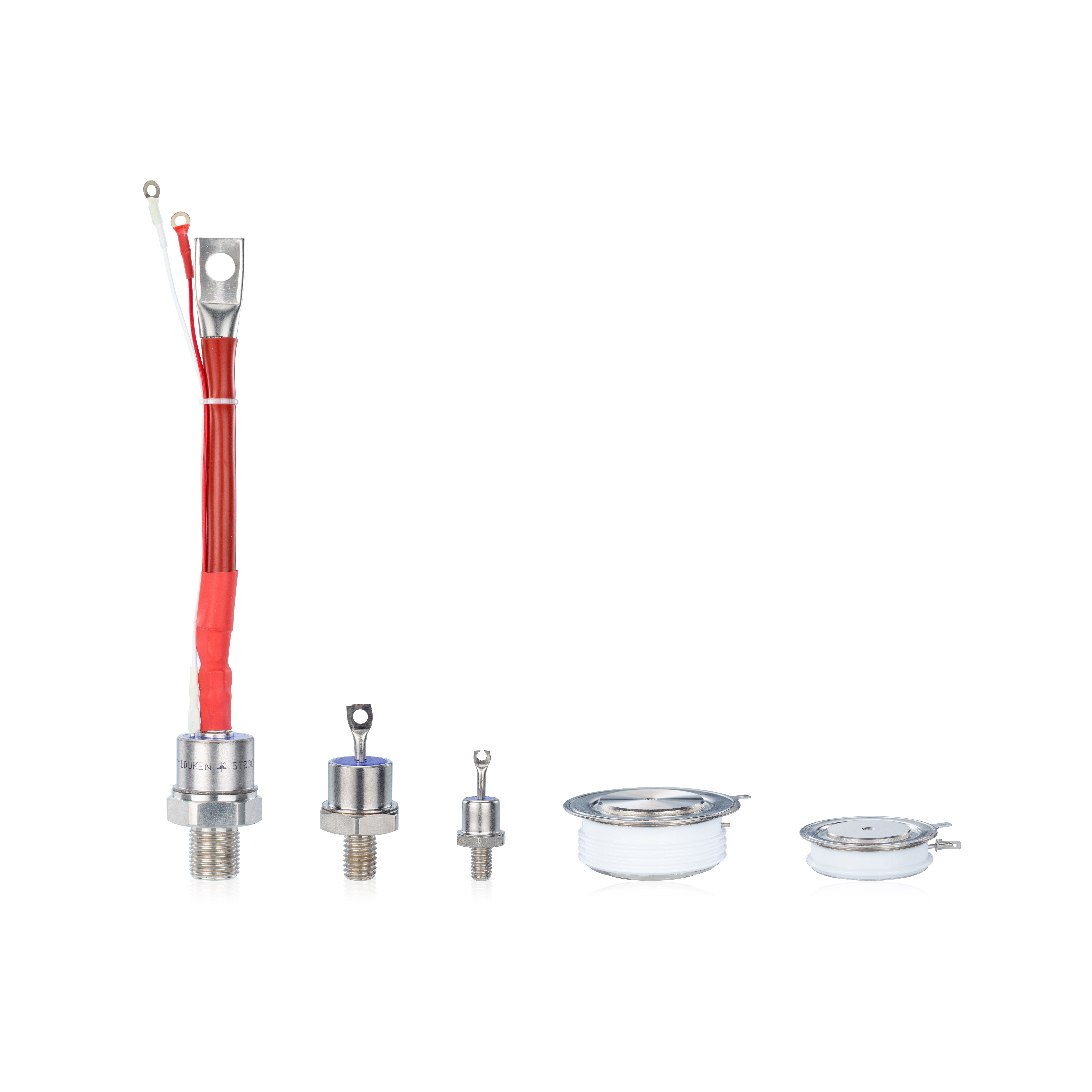
In modern electronics, designers are expected to deliver more performance from less space, less heat, and lower system cost. That expectation is especially strong in compact inverter applications, where every square centimeter of PCB area and every degree of thermal rise affects reliability and product competitiveness. The DK20S60NXD answers that challenge by combining switching capability, protection intelligence, and integration in a form factor suitable for next-generation power designs. For engineers building fan drives, compressors, and compact motion systems, the for home appliances with robust HVIC driver for BLDC motors 600V 20A intelligent power module approach represents a practical route to better efficiency without inflating the bill of materials.
Why compact inverter design is becoming more demanding
Low-power inverters are no longer limited to simple variable-speed control. Today they are expected to support smoother motor startup, lower acoustic noise, improved dynamic response, and tighter energy regulations. A compact motor drive in an appliance or light industrial product must now deliver the kind of control quality that used to belong only to larger systems. That means the power stage has to switch cleanly, survive voltage stress, and maintain predictable thermal behavior under changing loads.
This is where integration matters. A module that combines power devices, gate drive functions, and built-in safeguards can reduce layout complexity and improve design consistency. When a designer adopts a with multi-phase support with over-voltage protection for BLDC and PMSM 600V 20A intelligent power module, the result is not only a smaller board, but also a shorter development cycle and fewer opportunities for design mismatch between discrete parts. For many inverter projects, that is the difference between a product that works in the lab and one that remains reliable in mass production.
How DK20S60NXD improves electrical efficiency
Electrical efficiency is shaped by more than conduction loss alone. Switching behavior, dead-time control, parasitic inductance, and driver timing all influence total system performance. A compact module such as DK20S60NXD helps optimize these variables by integrating essential drive and protection functions closer to the switching devices. That architecture supports cleaner commutation and reduces the compromises often seen in discrete implementations.
In applications that need stable power conversion under repeated speed changes or frequent load variation, thermal consistency becomes just as important as raw efficiency. This is why engineers evaluating advanced motion products often pay attention to the with high thermal performance with customizable firmware for industrial robotics 600V 20A intelligent power module concept. Even when the end product is not a robot, the same design philosophy applies: predictable heat management and tunable control behavior lead to longer life, better energy conversion, and more dependable performance.
Benefits for appliances and space-sensitive products
Space-sensitive designs benefit from fewer external components, simplified assembly, and easier electromagnetic design. The DK20S60NXD gives product teams a path to shrink inverter sections without sacrificing functional robustness. In air circulation systems, kitchen equipment, pump drives, and other household motor platforms, board area is often as valuable as efficiency. A more integrated topology helps engineers route power and signal sections more cleanly while also reducing mechanical packaging challenges.
That is one reason the for home appliances with robust HVIC driver for BLDC motors 600V 20A intelligent power module concept is highly relevant. Household products increasingly rely on BLDC motors for quiet operation and energy savings, but they must also remain cost-sensitive and highly reliable across thousands of duty cycles. Robust high-voltage integrated driving simplifies the control stage and supports dependable motor operation even in compact, enclosed product housings.
Protection and control as part of system efficiency
Many engineers think of protection as separate from efficiency, but in practice they are closely connected. Over-voltage handling, undervoltage behavior, and fault response determine whether a system stays within safe operating limits or experiences stress that shortens service life. A drive that protects itself intelligently avoids repeated abnormal events, and that improves real-world efficiency over the full life of the product.
For this reason, the with multi-phase support with over-voltage protection for BLDC and PMSM 600V 20A intelligent power module architecture can deliver value beyond headline specifications. It allows designers to consider multiple motor strategies while preserving safety margins in a single integrated power platform. That flexibility is useful when one product family may support different motor configurations or when firmware teams want to fine-tune control profiles without redesigning the hardware stage.
Thermal design turns performance into reliability
Heat remains the invisible limiter in low-power inverter design. A module may look excellent on paper, but if thermal resistance or heat spreading is poorly managed, real operation will expose weaknesses quickly. The DK20S60NXD is compelling because it supports a better balance between compactness and thermal control, enabling engineers to sustain useful output without excessive derating.
That is why the with high thermal performance with customizable firmware for industrial robotics 600V 20A intelligent power module perspective is valuable even for compact inverter applications outside robotics. Strong thermal behavior gives the control algorithm room to operate efficiently, and customizable firmware helps adapt switching patterns, protection thresholds, and operating modes to the actual load environment. In the end, a drive that runs cooler and reacts smarter is a drive that delivers higher sustained value.
The DK20S60NXD shows that low-power inverter design does not have to choose between small size and serious capability. By combining integration, efficient switching support, built-in protection, and practical thermal performance, it helps engineers create compact systems that work harder, last longer, and perform more consistently. That is the true meaning of small volume with big power.