Surge Protection and Low Gate-Trigger Features of 106A Thyristor Modules for UPS Systems
Introduction
Uninterruptible Power Supply (UPS) systems are designed to provide a continuous and reliable source of power to critical equipment during power interruptions. The efficiency and reliability of a UPS system depend largely on the components used, with thyristor modules being among the most important. The 106A thyristor module, featuring surge protection and low gate-triggering capabilities, plays a vital role in ensuring that UPS systems operate without interruption, even in the most challenging conditions. This article will examine the key features of the 106A thyristor module, its role in surge protection, and its advantages for UPS systems.
Understanding the Importance of Thyristor Modules in UPS Systems
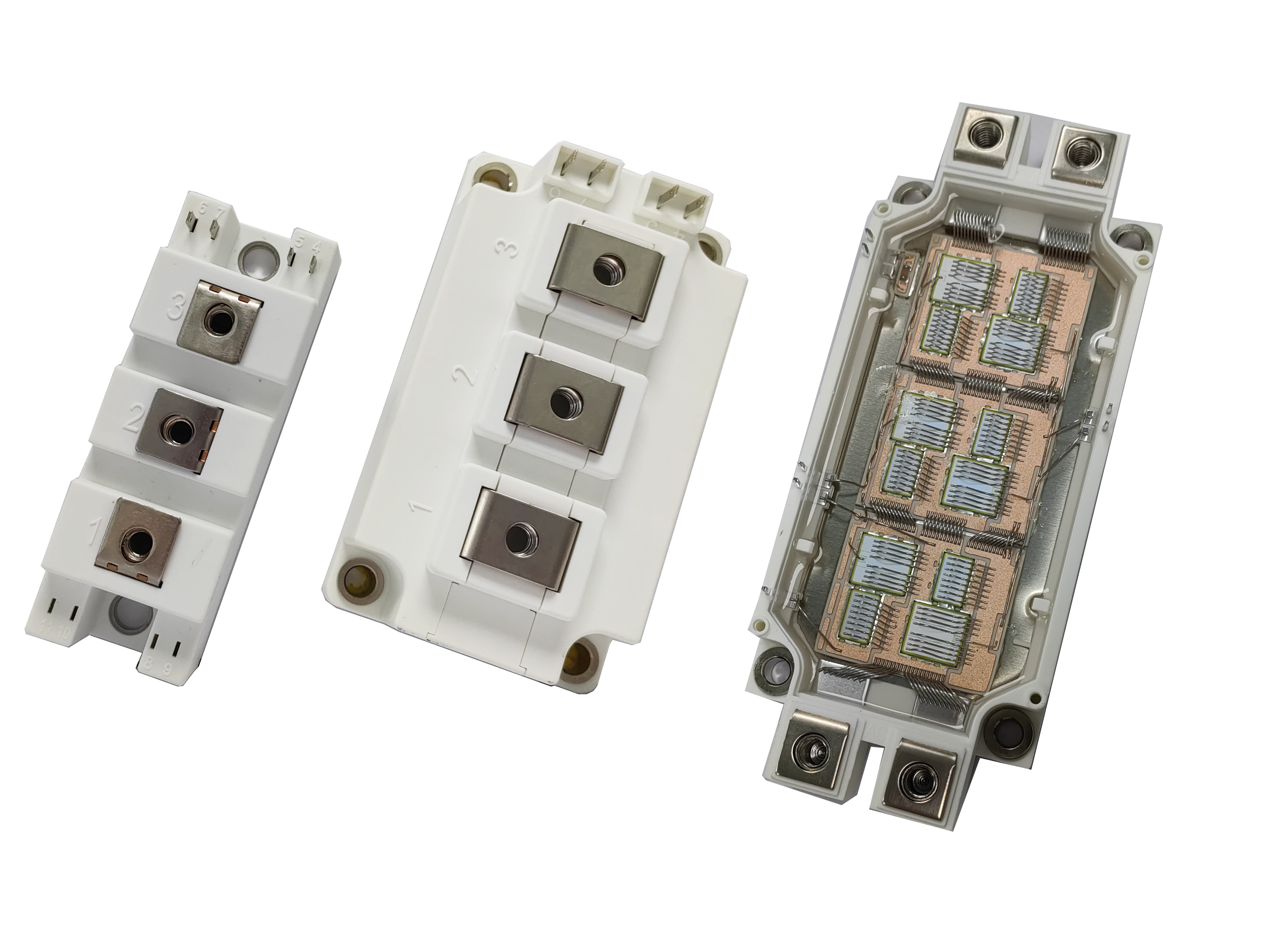
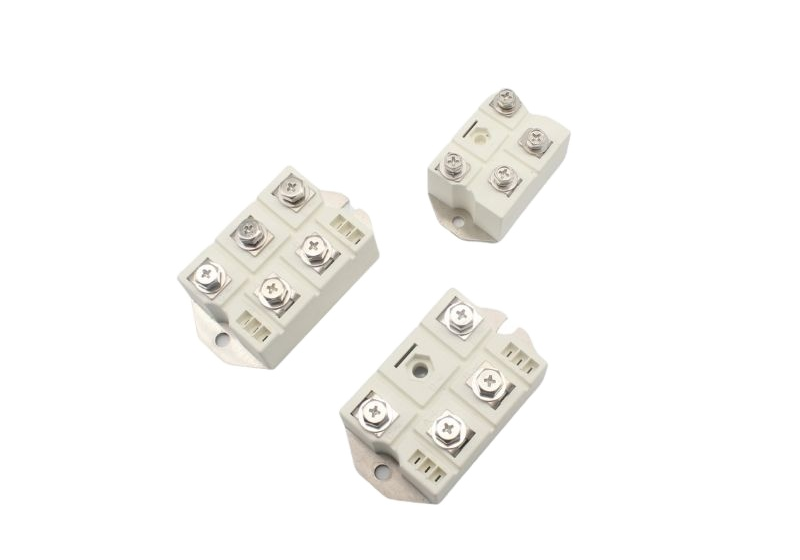
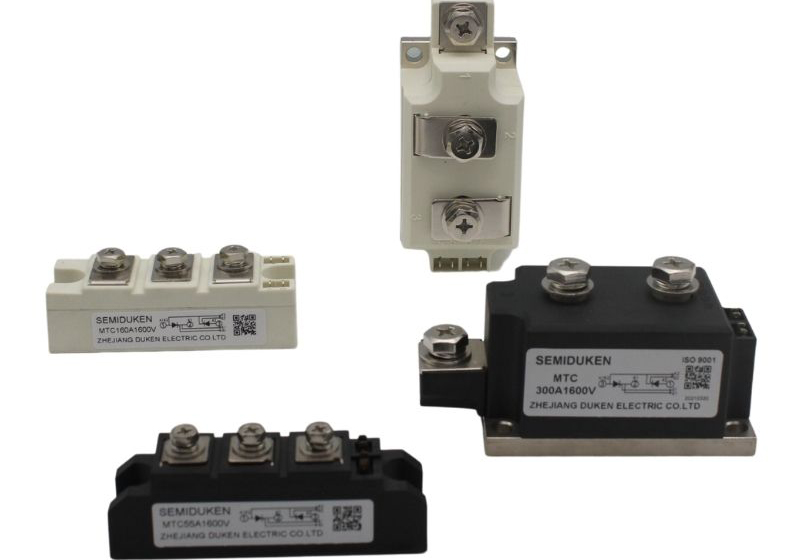
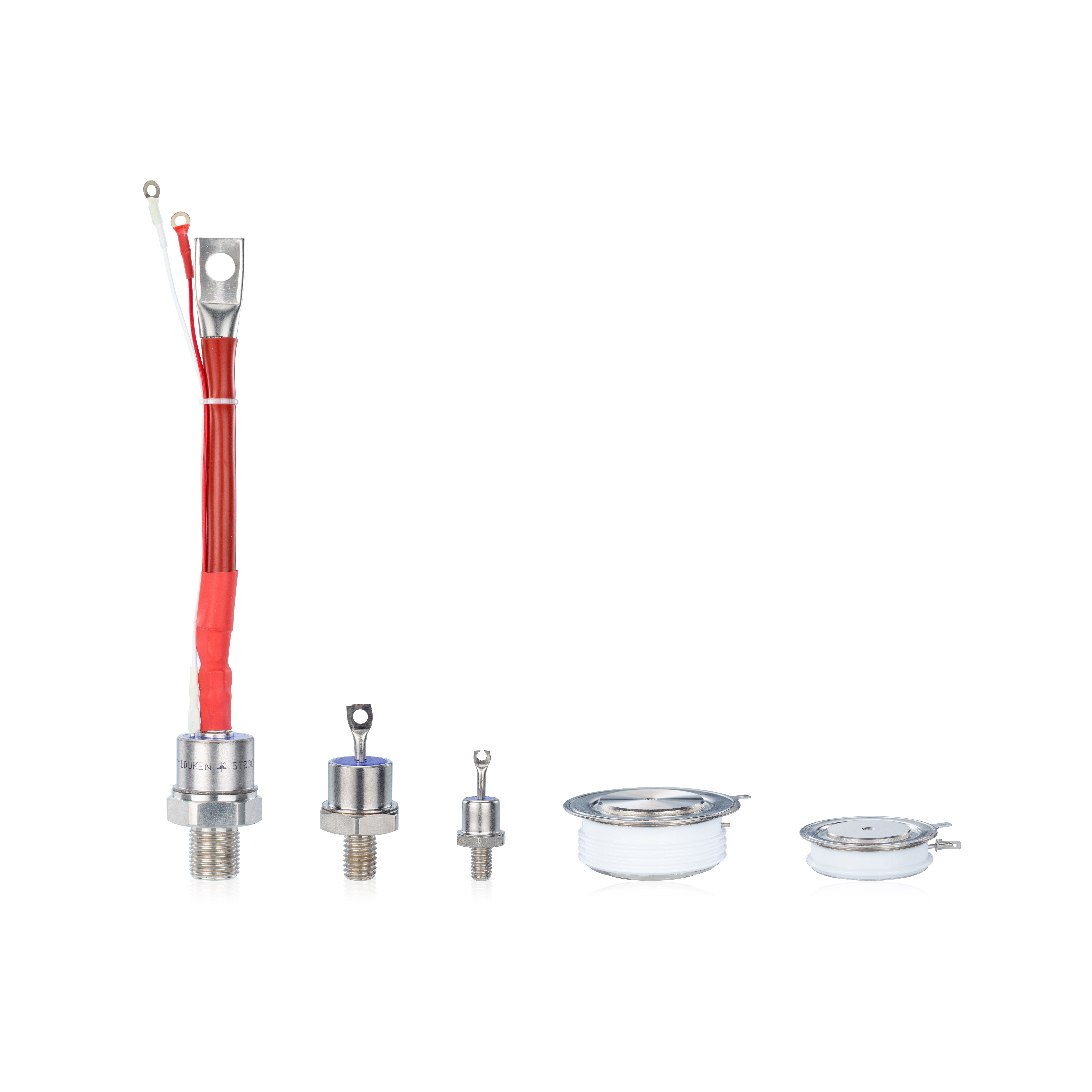
Thyristor modules are semiconductor devices that are essential in controlling the flow of electricity within UPS systems. The 106A thyristor module is designed to handle high current loads (up to 106A), making it ideal for heavy-duty applications that require a stable and continuous power supply. This module helps regulate the power flow, ensuring that electricity is supplied to the load even during power fluctuations.
One of the primary functions of a UPS system is to act as a buffer during power interruptions or irregularities. The 106A thyristor module performs this task by controlling the switch that connects and disconnects the power supply. By doing so, it helps prevent damage to sensitive equipment, such as computers, servers, and medical devices, which rely on a consistent and clean power source.
Surge Protection Features of the 106A Thyristor Module
Surge protection is an essential feature in any UPS system, as power surges can cause significant damage to electrical equipment. These surges can occur due to a variety of reasons, including lightning strikes, power grid fluctuations, or even sudden changes in load. The 106A thyristor module is specifically designed with surge protection to shield the UPS system from these potentially damaging electrical spikes.
The surge protection feature of the 106A thyristor module works by dissipating excess energy that could otherwise harm the system or the equipment connected to it. This ensures that power supplied to sensitive devices remains clean and stable, preventing malfunctions and failures. In environments where equipment is vulnerable to power surges, such as industrial plants, telecommunications, and data centers, surge protection is crucial for maintaining continuous operations.
Low Gate-Triggering Characteristics of the 106A Thyristor Module
The low gate-triggering capability of the 106A thyristor module is another important feature that enhances the performance of the UPS system. Gate-triggering refers to the process by which the thyristor module is turned on or off. In a typical thyristor module, the gate must be triggered by an electrical signal to start conducting current. With low gate-triggering modules, the amount of energy required to trigger the device is reduced, which results in more efficient operation.
The low gate-triggering feature of the 106A thyristor module helps reduce power losses and minimize heat generation during operation. This leads to greater energy efficiency and extends the lifespan of the module. By reducing energy consumption, this feature also makes the UPS system more cost-effective, particularly in large-scale operations where energy costs are a significant consideration.
Applications of the 106A Thyristor Module in UPS Systems
The 106A thyristor module is widely used in various industries that rely on UPS systems to provide uninterrupted power. Its ability to handle high current loads and provide surge protection makes it an ideal choice for a variety of applications, from telecommunications to healthcare and data centers.
In telecommunications, for example, a power interruption can cause widespread service disruptions, resulting in downtime and loss of revenue. The 106A thyristor module ensures that the UPS system can provide a steady and reliable power supply, even during irregularities in the grid. Similarly, in healthcare settings, where life-saving medical equipment depends on continuous power, the surge protection and low gate-triggering features of the 106A thyristor module ensure that these devices remain operational without interruption.
The module is also beneficial in industrial applications, where heavy machinery and other critical equipment require a stable and continuous power supply. The 106A thyristor module’s surge protection and high current-handling capacity help prevent power-related failures, reducing the risk of costly downtime.
Conclusion
The 106A thyristor module for UPS systems is an essential component for ensuring reliable and efficient power delivery. With its surge protection and low gate-triggering features, this module helps protect sensitive equipment from power surges, minimizes power losses, and enhances the overall performance of the UPS system. Whether used in telecommunications, healthcare, or industrial settings, the 106A thyristor module plays a crucial role in maintaining continuous power and protecting vital systems from damage.
READ MORE: