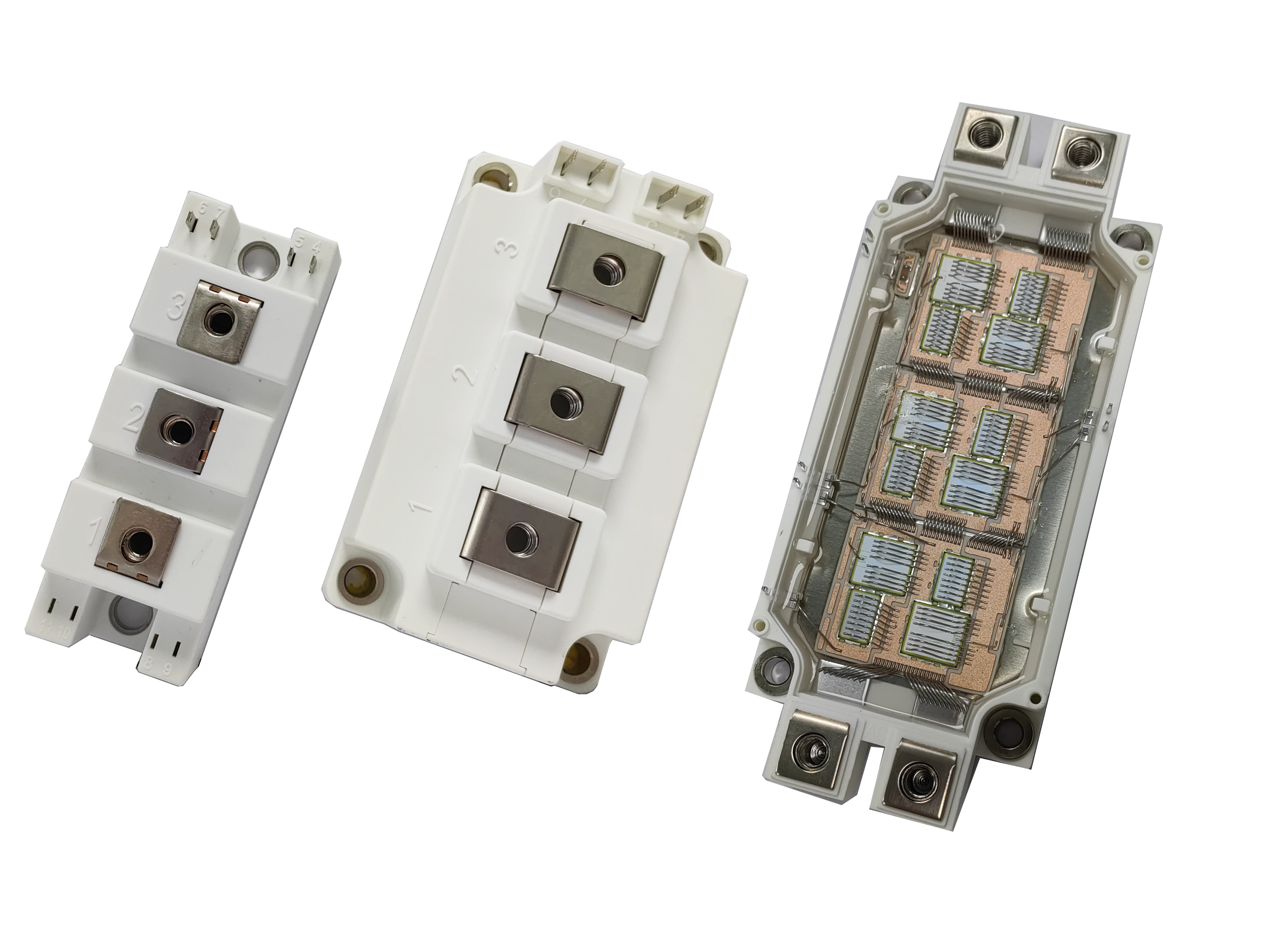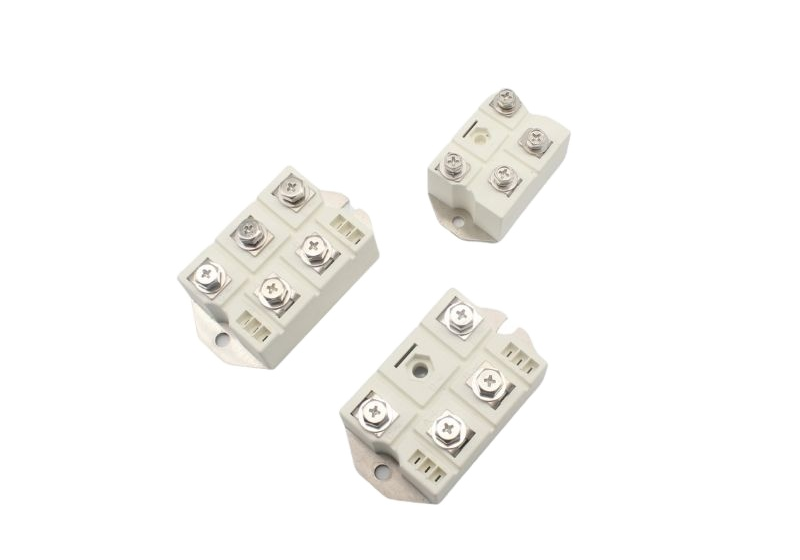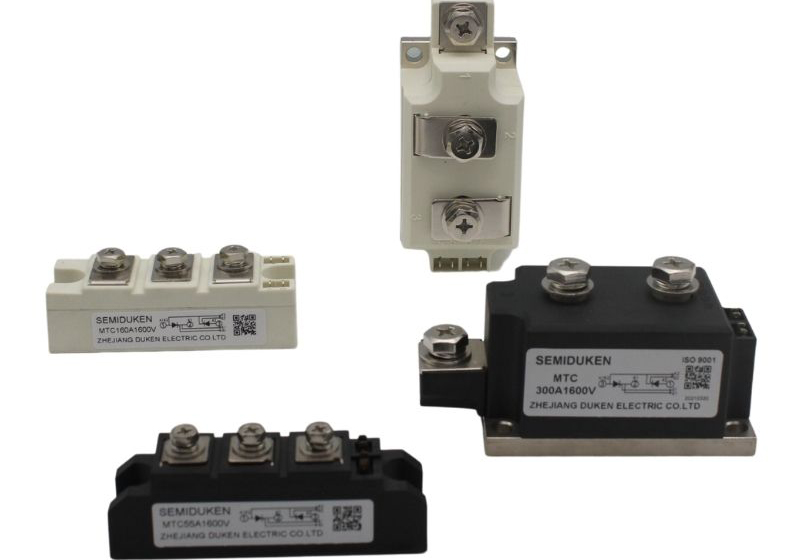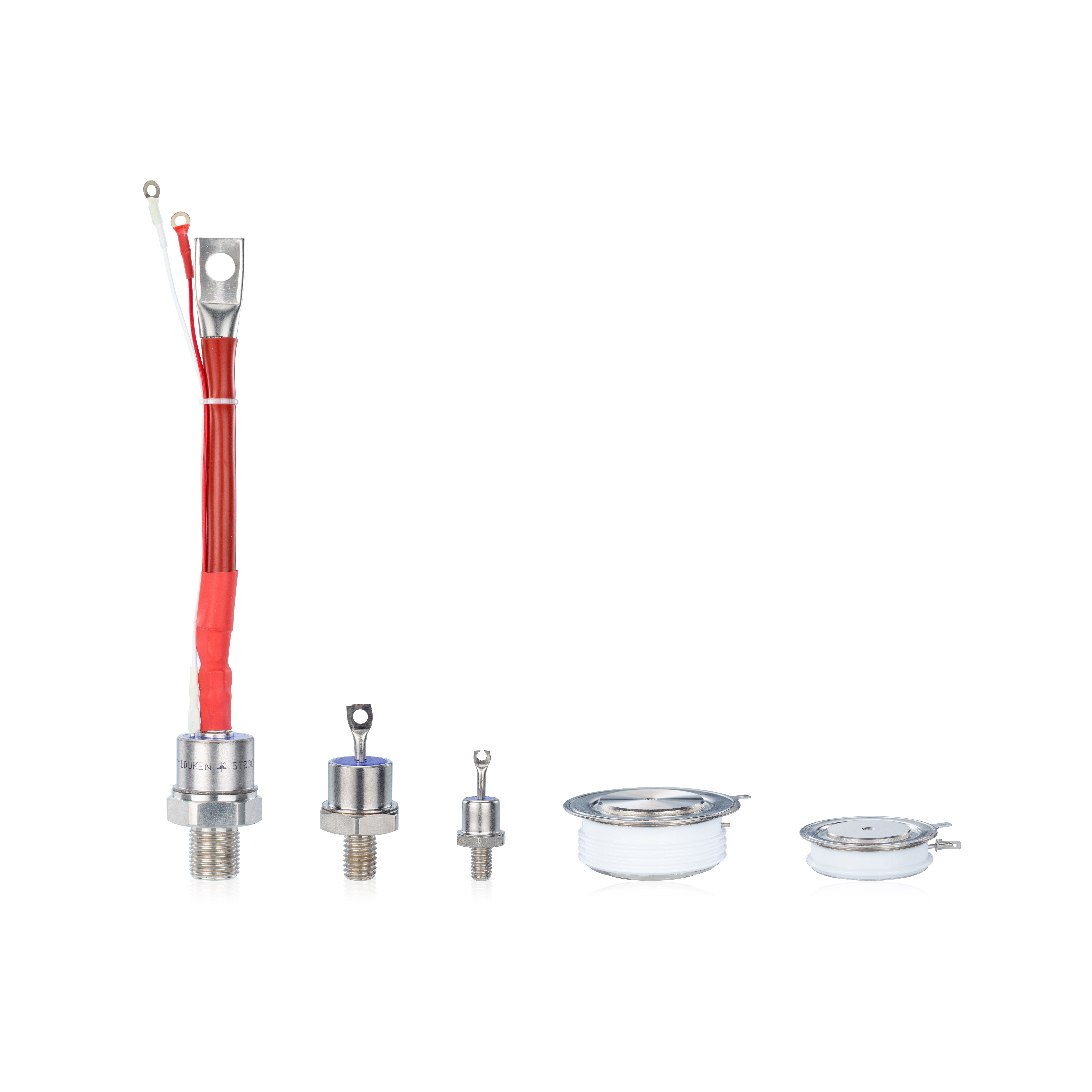
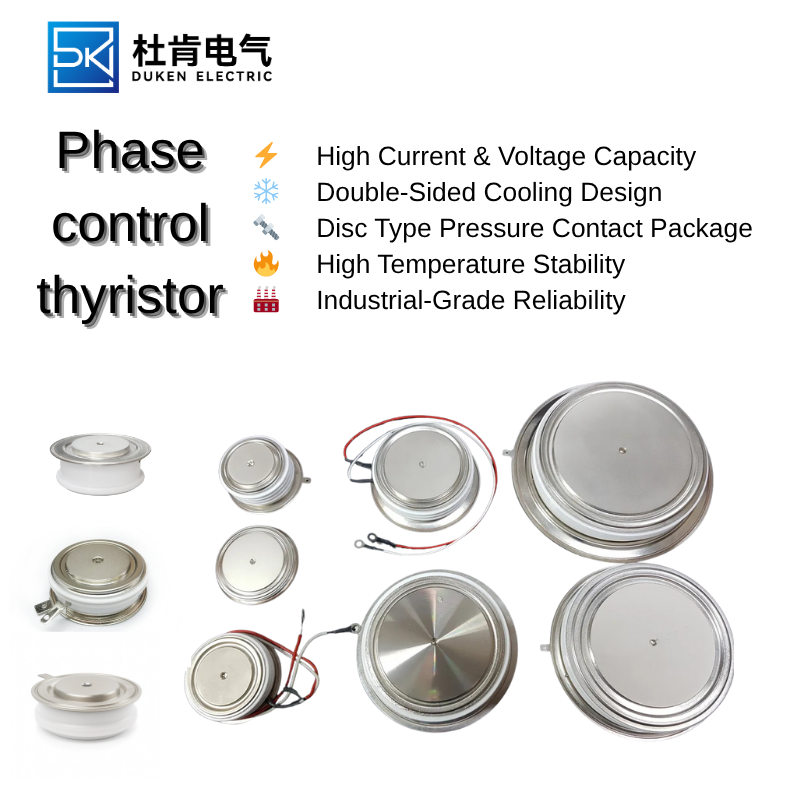
Why Reliable 800A Phase Control Thyristor Replacements Matter in Furnace and Rectifier Maintenance
Maintenance teams in heavy industry often work under pressure. When a critical rectifier or converter fails, production schedules tighten immediately, and the search for replacement components becomes urgent. In this environment, the difference between a quick fix and a correct fix is substantial. A properly selected 800A phase control thyristor replacement part can restore stability and extend equipment life, while an unsuitable part may create repeated faults, thermal stress, and inefficient operation.
Most high-current systems do not fail because of a single isolated parameter. Failures usually arise from a combination of heat, ageing, electrical overload, and gradual mismatch between old hardware and replacement components. This is especially true in applications such as melting furnace rectifiers gate trigger control 800A phase control thyristor, where stable firing and current control directly affect thermal process quality. In drive sections, attention often shifts toward low on-state voltage dop for DC link rectification in drives 800A phase control thyristor requirements, since reduced conduction loss helps control heat and maintain efficiency. In process and finishing lines, design features associated with Aluminium housing disc package for electro-plating rectifiers 800A phase control thyristor assemblies are also important because long duty cycles place heavy demands on cooling and package integrity.
Maintenance Is About System Matching, Not Part Swapping
One of the most common mistakes in industrial maintenance is treating a thyristor as a simple replacement item. In reality, the device is part of a larger system that includes gate circuitry, cooling hardware, busbar geometry, and production-specific load patterns. Replacing it successfully means understanding how it behaves inside that complete environment.
For example, maintenance technicians working with melting furnace rectifiers gate trigger control 800A phase control thyristor equipment must pay close attention to gate characteristics. A new semiconductor with different trigger behavior may technically fit in the assembly but still fire inconsistently. The result can be uneven heating, unstable output, or increased stress on adjacent devices. This is why experienced engineers compare trigger current, dv/dt tolerance, surge capability, and thermal resistance before approving a replacement.
Similar care is needed in motor-related power sections. Equipment that benefits from low on-state voltage dop for DC link rectification in drives 800A phase control thyristor performance requires a device that runs efficiently under continuous load without sacrificing robustness. Lower loss is valuable only when paired with proven reliability under real plant disturbances.
Thermal Control Is Central to Long Service Life
The longer a high-current semiconductor operates, the more important heat management becomes. Even a modest reduction in conduction loss can help lower junction temperature and reduce stress on the surrounding assembly. Over time, this can improve reliability far beyond the semiconductor itself. Cooling fans, wiring, insulation, and connection points all benefit when the power stage runs cooler.
That is why low on-state voltage dop for DC link rectification in drives 800A phase control thyristor devices are increasingly attractive across multiple industrial applications. Their advantage is not only energy efficiency but also lower thermal loading on the system. In cabinets where heat buildup has historically been a maintenance problem, a lower-loss replacement can make a visible difference in service intervals and operational stability.
Packaging also affects heat flow. Units built around Aluminium housing disc package for electro-plating rectifiers 800A phase control thyristor concepts are often valued because the housing design supports stable pressure distribution and effective transfer of heat into the cooling assembly. In long-running rectifier systems, those mechanical details have a major influence on field performance.
Mechanical Fit Can Determine Real Reliability
An electrically suitable semiconductor can still fail prematurely if the mechanical fit is poor. Industrial stacks often rely on precise clamping force, flat contact surfaces, and specific mounting geometry. If a replacement differs too much in shape or pressure requirements, the contact area may become uneven, creating local hot spots and hidden reliability issues.
This is particularly relevant in wet-process environments, where Aluminium housing disc package for electro-plating rectifiers 800A phase control thyristor structures may have been selected for practical durability. When replacing such a device, attention should be given to housing dimensions, installation method, thermal interface materials, and assembly cleanliness. A mismatch in any of these areas can compromise the advantages of the new semiconductor.
Furnace systems deserve the same caution. A replacement approved for melting furnace rectifiers gate trigger control 800A phase control thyristor duty should be installed only after checking clamp pressure, insulation condition, and trigger pulse quality. Good maintenance practice begins before the part is energized.
Better Replacements Support Better Maintenance Strategy
The strongest maintenance programs do not rely on emergency sourcing alone. They establish approved part lists, installation procedures, and inspection standards in advance. This helps ensure that every replacement contributes to long-term stability rather than short-term recovery only.
A dependable 800A phase control thyristor replacement part should therefore be chosen with both present and future needs in mind. Whether the main priority is the efficient performance associated with low on-state voltage dop for DC link rectification in drives 800A phase control thyristor designs or the structural benefits seen in Aluminium housing disc package for electro-plating rectifiers 800A phase control thyristor assemblies, the goal is the same: fewer failures and more predictable operation. In high-current maintenance, the right replacement is not just a spare part. It is a reliability decision that shapes equipment performance long after the repair is complete.