Analyzing the 300A Phase Control Thyristor Datasheet: A Design Engineer's Guide
Design engineers tasked with developing high-efficiency power systems depend on accurate, detailed datasheets to choose the right components. The 300A phase control thyristor is a staple in power conversion for melting furnace rectifiers, drive rectification, and electro-plating equipment. This article serves as a comprehensive guide to understanding and leveraging datasheet information—focusing on features such as gate trigger control, low on‑state voltage drop, and aluminium housing disc package.
1. Gate Trigger Control: Critical for Reliable Start-Up
The gate trigger control parameter plays a foundational role in the operation of melting furnace rectifiers. Datasheets typically specify the gate trigger current (Igt), voltage (Vgt), and holding current (Ih), which define the threshold for initiating and sustaining conduction.
For melting furnaces, which frequently experience power surges and thermal cycling, consistent gate control ensures reliable turn-on under load. The 300A phase control thyristor offers a narrow trigger tolerance range, providing repeatable switching performance. Field technicians note that this stability reduces false triggering and extends furnace uptime.
Turn-on delay and gate sensitivity curves in the datasheet help control system developers fine-tune firing angles for precise temperature regulation, a crucial element in alloy production.
2. Voltage Drop and Energy Efficiency in Drives
Drive system engineers seek maximum power conversion efficiency. The low on‑state voltage drop for DC link rectification in drives 300A phase control thyristor is essential for this goal. The datasheet’s voltage drop specification—typically around 1.4V at full current—directly influences heat loss and system power ratings.
By minimizing this drop, the thyristor reduces thermal buildup in rectifier bridges, thereby lowering fan speeds and energy consumption. Users in conveyor systems and pump controls have reported decreased cooling costs and longer maintenance intervals thanks to this efficient operation.
Designers can use datasheet graphs plotting forward voltage vs. current and junction temperature to simulate system heat dissipation and optimize heat sink configurations.
3. Mechanical Durability via Aluminum Housing
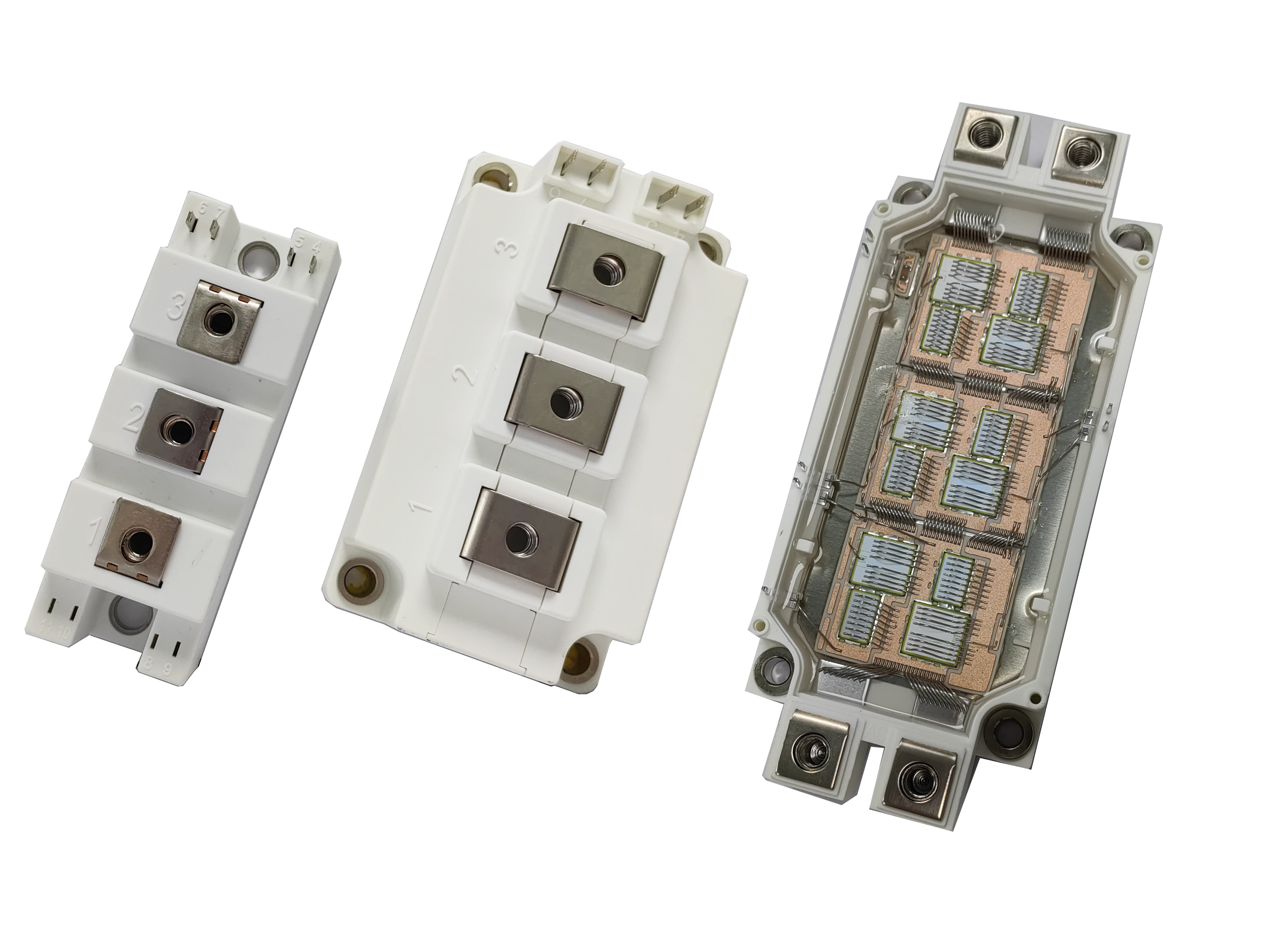
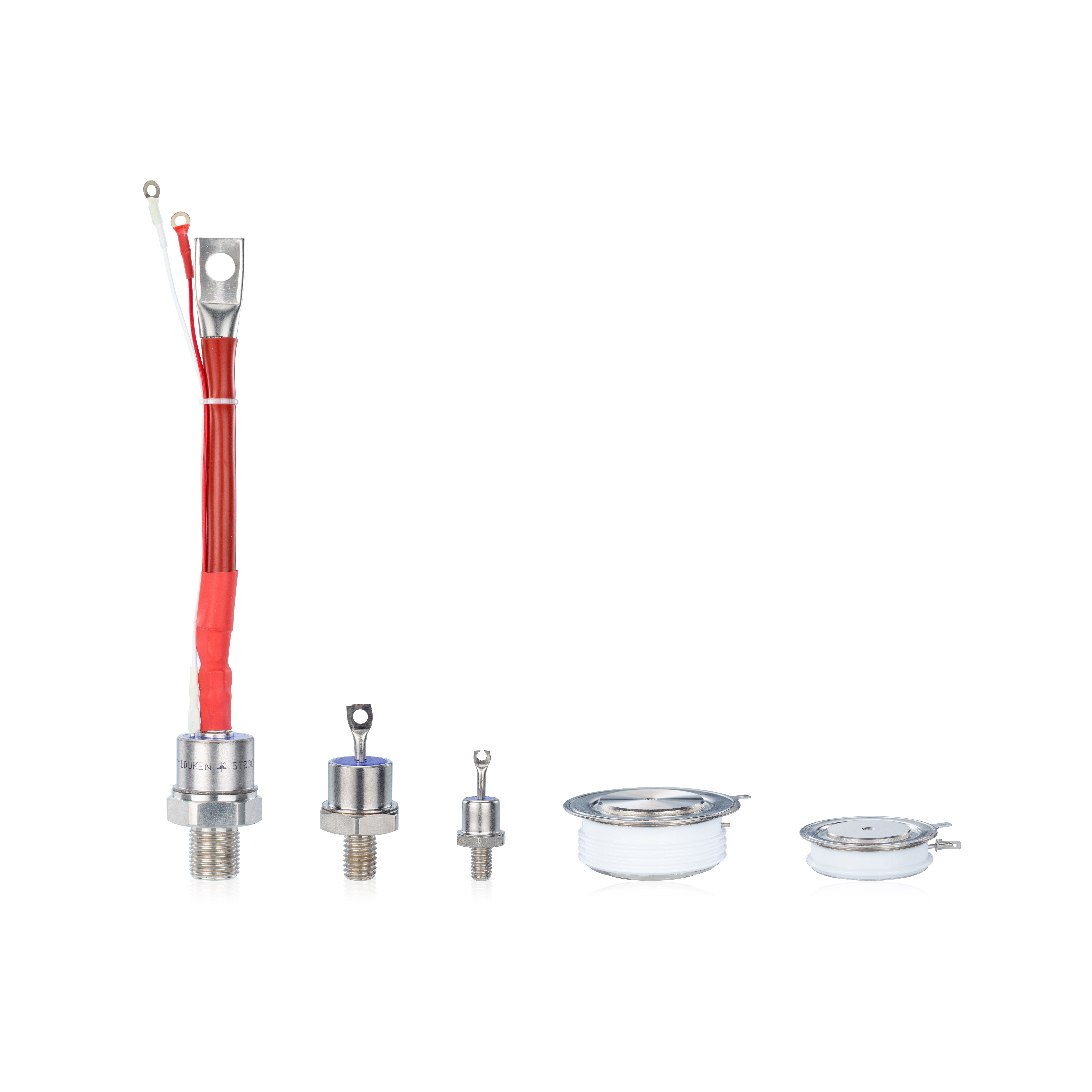
The aluminium housing disc package for electro‑plating rectifiers 300A phase control thyristor offers superior protection and heat management. The datasheet describes the mechanical structure, including disc dimensions, terminal arrangements, and mounting torque specifications.
In electro-chemical environments, such housing ensures consistent contact pressure and prevents ingress of moisture and chemicals. Maintenance staff report that the rugged housing allows for quick replacement and secure reinstallation without damaging the thyristor body.
Additionally, the aluminum package enhances thermal cycling resistance, critical in applications where power demands shift rapidly throughout the day.
4. Thermal and Overload Ratings for Safety Margins
Design engineers often rely on overload metrics to evaluate whether a thyristor can withstand startup surges and fault conditions. The datasheet includes:
Surge current rating (ITSM): Helps estimate capacity for transient overloads.
Thermal resistance (RthJC): Determines heat sink sizing.
Reverse and forward blocking voltages (VRRM/VDRM): Indicate maximum line voltage limits.
In applications like heavy industrial plating and continuous furnace operation, these ratings provide the confidence required to prevent unexpected failures.
5. Design Best Practices Based on the Datasheet
To effectively apply the 300A phase control thyristor in critical systems, engineers should:
Prioritize datasheet values for gate trigger control to ensure synchronized switching in melting furnace rectifiers.
Use low on‑state voltage drop for DC link rectification in drives as a benchmark for efficiency modeling.
Factor in mechanical and thermal characteristics of the aluminium housing disc package for electro‑plating rectifiers to plan installation and cooling.
These best practices not only support better electrical performance but also extend the life and reliability of the overall system.