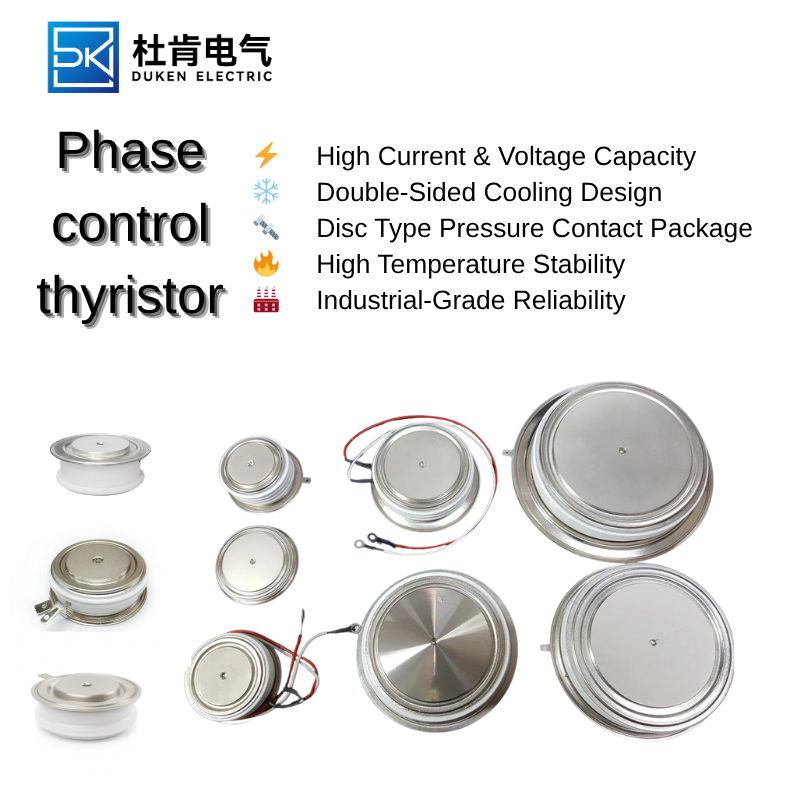
High Voltage Phase Control Thyristor Manufacturers: Key Features for Industrial Power Systems
Introduction
The high voltage phase control thyristor is a crucial component for efficiently managing power in industrial systems. These thyristors are designed to handle high current and voltage, making them indispensable for applications such as motor control, battery charging, and power supply regulation. To ensure optimal performance, manufacturers must incorporate certain features into their design that enhance the thyristor's reliability, efficiency, and durability.
This article delves into the essential features that high voltage phase control thyristor manufacturers must focus on, including high surge I²t capacity, forced-cooling heat sinks, Aluminium housing disc packages, and low leakage current. These features are critical for ensuring that the thyristors can perform well under demanding conditions and maintain long-term stability.
High Surge I²t Capacity for Enhanced Durability
One of the most important specifications of a high voltage phase control thyristor is its high surge I²t capacity. I²t measures the energy dissipation capacity during a current surge, and a high surge I²t capacity ensures that the thyristor can withstand brief but intense bursts of current without sustaining thermal damage.
Industrial applications often experience surge currents, particularly during motor startups or load changes. Without the ability to absorb these energy bursts, the thyristor could fail, leading to downtime and costly repairs. Manufacturers who design thyristors with a high surge I²t capacity provide a solution that offers protection against power surges, ensuring that the thyristor can maintain stable performance even in high-current switching applications.
By selecting a high voltage phase control thyristor with a high surge I²t rating, industries can ensure that their power systems remain reliable, reducing the risk of equipment failure and improving overall system stability.
Forced-Cooling Heat Sink for Effective Heat Management
Effective thermal management is one of the most crucial aspects of high voltage phase control thyristor design. Forced-cooling heat sinks are incorporated into the design to dissipate the heat generated during operation, ensuring that the thyristor operates within its optimal temperature range.
In high-power systems, where the thyristor is required to handle large currents, heat generation is inevitable. Without an efficient cooling system, excessive heat buildup can lead to thermal stress and component failure. Forced-cooling heat sinks address this issue by efficiently transferring heat away from the thyristor, preventing overheating and ensuring reliable performance.
Manufacturers who integrate forced-cooling heat sinks into their designs provide thyristors that can handle high thermal loads, reducing the risk of system failures due to overheating and enhancing the overall lifespan of the component.
Aluminium Housing Disc Package for Durability and Protection
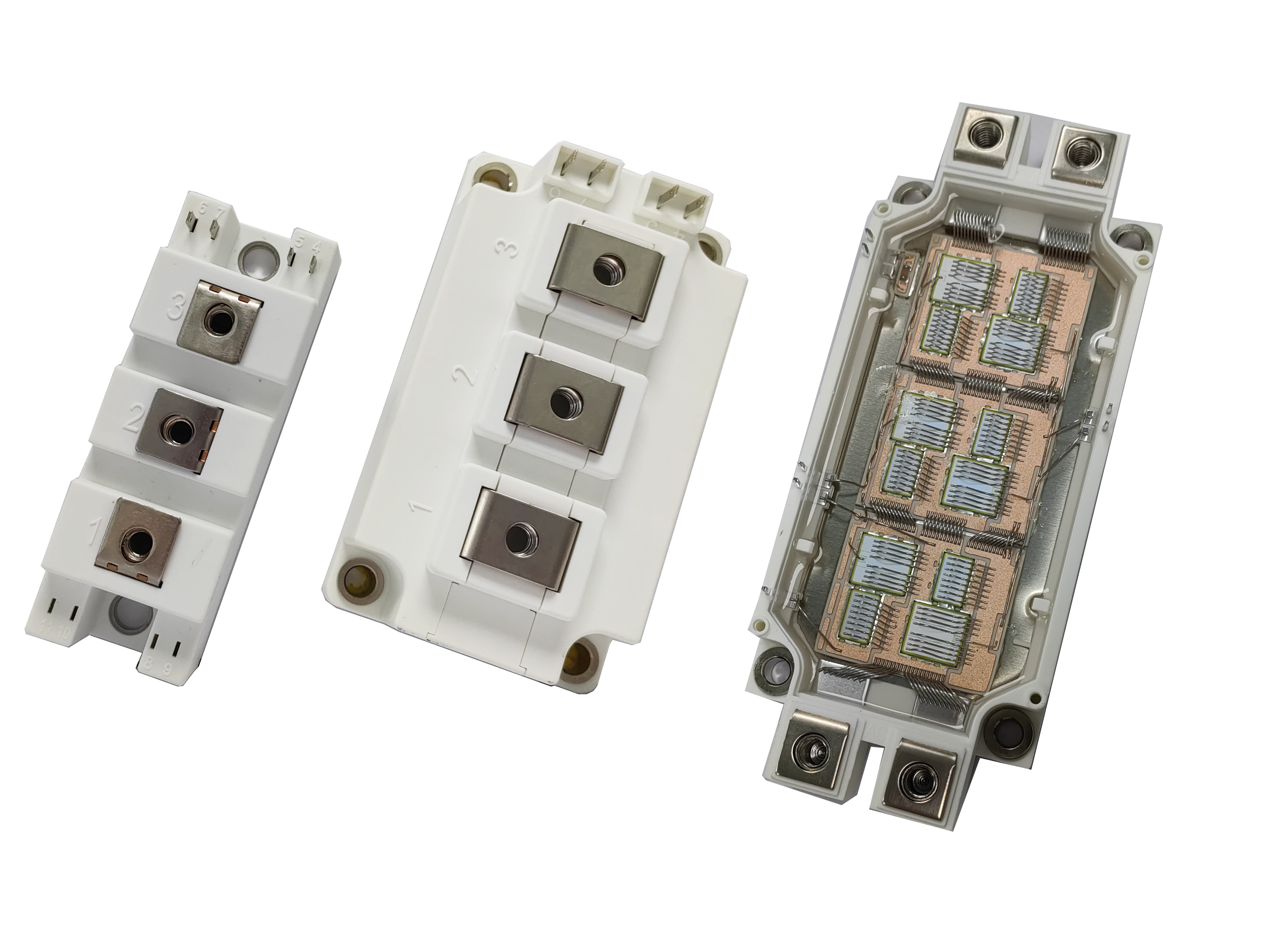
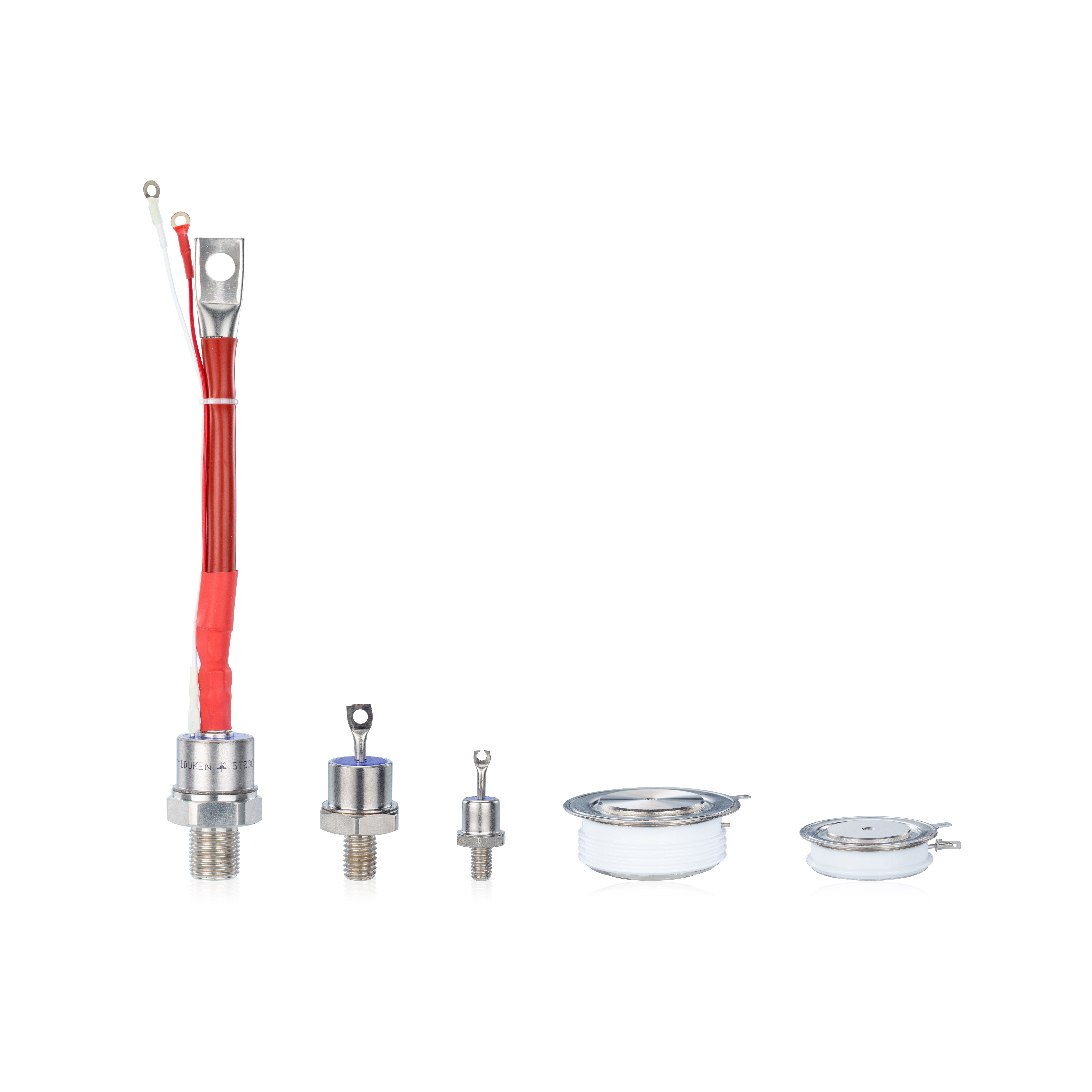
The Aluminium housing disc package is another essential feature of high voltage phase control thyristors. Aluminium is widely used for its excellent mechanical properties and thermal conductivity, making it the ideal material for housing thyristors.
The housing provides physical protection to the thyristor, shielding it from environmental factors such as dust, moisture, and physical damage. Additionally, Aluminium’s high thermal conductivity helps to dissipate heat generated during operation, ensuring that the thyristor remains within its safe operating temperature range.
By selecting high voltage phase control thyristors with Aluminium housing disc packages, industries can ensure that their components remain durable and function optimally even in harsh environments. This feature also contributes to the overall thermal management of the thyristor, improving performance in high-power applications.
Low Leakage Current for Energy Efficiency
Low leakage current is an important feature of high voltage phase control thyristors, especially in applications where energy efficiency is critical. Leakage current refers to the small amount of current that flows through the thyristor when it is in the off-state. Excessive leakage current can lead to unnecessary energy loss, reducing the overall efficiency of the system.
By designing thyristors with low leakage current, manufacturers help minimize energy waste and improve the overall performance of the system. This is particularly important in industries that rely on efficient energy use, such as motor control, battery charging, and power regulation. A thyristor with low leakage current helps to reduce operational costs and extends the lifespan of the entire system.
Choosing a high voltage phase control thyristor with low leakage current is essential for industries looking to optimize energy efficiency and reduce their environmental impact.
Conclusion
High voltage phase control thyristors are indispensable for efficiently managing power in industrial systems. Manufacturers who focus on features such as high surge I²t capacity, forced-cooling heat sinks, Aluminium housing disc packages, and low leakage current provide reliable, durable, and energy-efficient components.
By selecting high-quality high voltage phase control thyristors, industries can ensure that their power systems operate efficiently, remain reliable, and minimize downtime. These key features enhance the thyristor's performance, making it an ideal solution for high-power applications that demand precise control of current and voltage.