Electro-Plating Rectifiers: Choosing a 300A Phase Control Thyristor with Aluminium Housing Disc Package for Harsh Shop-Floor Conditions
Electro-Plating Rectifiers: Choosing a 300A Phase Control Thyristor with Aluminium Housing Disc Package for Harsh Shop-Floor Conditions
Author: Selina
1) Why electro-plating rectifiers fail differently than “clean” industrial rectifiers
Electro-plating rectifiers often operate in conditions that are easy to underestimate: humid air, chemical vapors, conductive residues, splashes, and frequent washdowns. Even if the electrical load looks stable—long, continuous duty at relatively predictable current—the environment can quietly degrade insulation surfaces, corrode connections, and change thermal interfaces over time. That is why procurement language frequently highlights packaging and mechanical protection, such as Aluminium housing disc package for electro-plating rectifiers 300A phase control thyristor. The emphasis is not cosmetic; it reflects a reliability need: the device must remain electrically stable and serviceable in an environment that attacks weak interfaces.
Choosing a 300A phase control thyristor for electro-plating is therefore a different kind of “how to choose.” Electrical ratings still matter, but lifecycle reliability often depends on packaging integrity, creepage/clearance robustness, and the repeatability of mounting after maintenance. If you treat plating environments like a clean drive room, you may end up with a system that works early and drifts into leakage, heating, or nuisance trips later.
2) Packaging as a reliability decision: what aluminium housing and disc style can solve
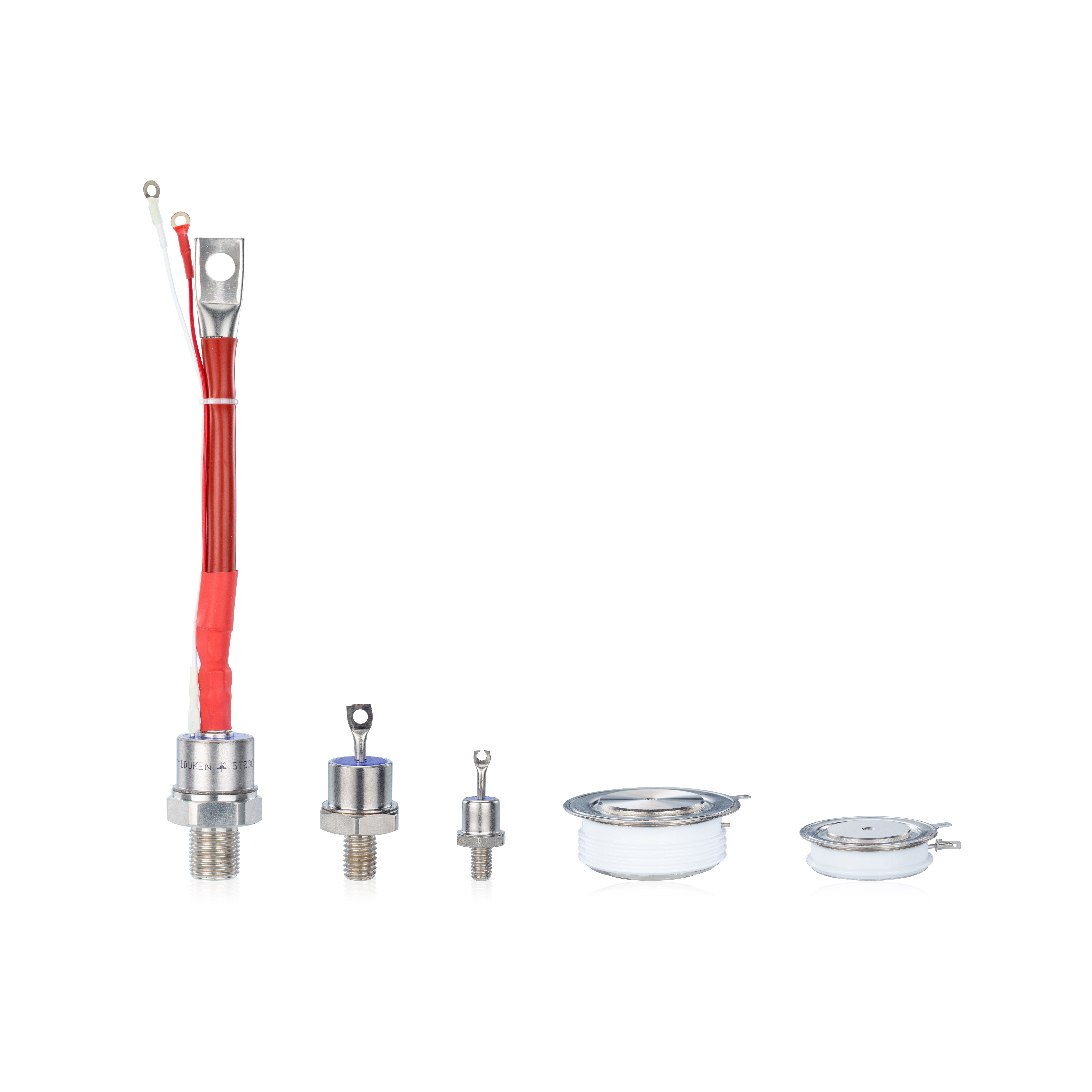
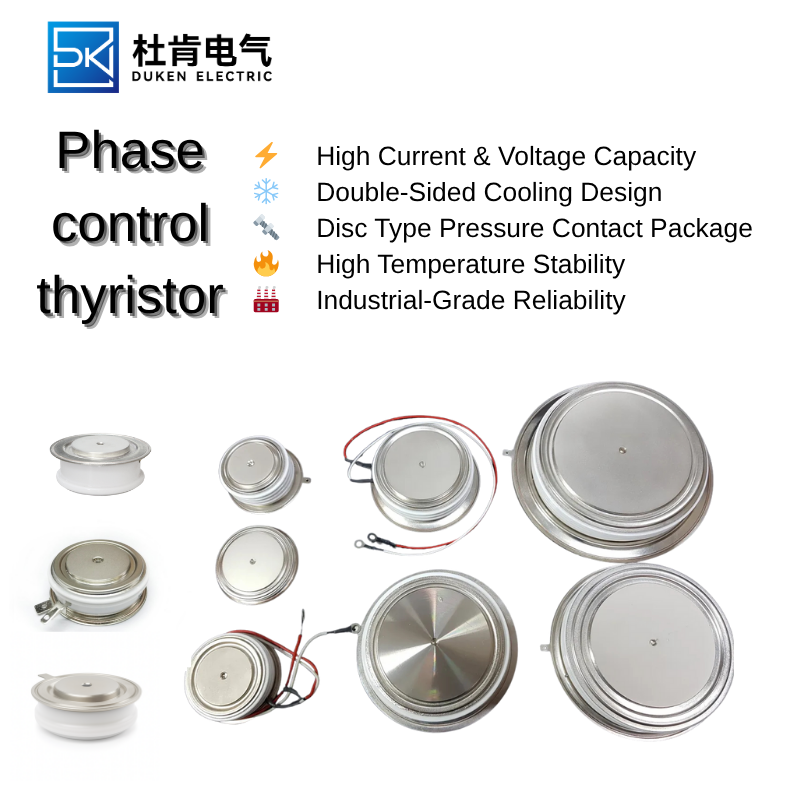
When you see Aluminium housing disc package for electro-plating rectifiers 300A phase control thyristor in a specification, it typically signals several practical objectives:
Mechanical protection and stable interfaces: A protective housing can reduce accidental damage and improve repeatability of mounting and cable routing.
Thermal interface consistency: Disc-style packages often rely on controlled pressure and surface quality, which can deliver stable thermal resistance when done correctly.
Environmental resilience: Housing and package design can help maintain creepage distances and resist contamination pathways that cause leakage.
Serviceability: In plating operations, maintenance must be fast and repeatable; a package that supports consistent reassembly reduces variability.
However, packaging is not a guarantee by itself. A disc package can perform poorly if clamp force is inconsistent, if surfaces are contaminated, or if thermal interface practice varies between technicians. That is why selection must include not only the package choice but also the mounting discipline that makes the package effective.
3) Thermal and electrical priorities for continuous-duty plating rectifiers
Electro-plating rectifiers often run long hours at stable current. That means thermal stability is essential: continuous dissipation must be removed reliably, and the system must remain stable even when airflow degrades or surfaces accumulate residue.
Two selection priorities commonly apply:
Thermal margin under degraded cooling:
Even if the rectifier is water-cooled or has a robust heat sink, plating environments can degrade cooling paths—dust and residue accumulation, fan wear, clogged filters, and corrosion at interfaces. Selection should be based on a “degraded cooling” scenario, not an ideal scenario. Trend monitoring of heat-sink or coolant temperature at a fixed current is one of the most effective ways to detect drift early.
Conduction losses and cabinet heating:
In any rectifier, conduction loss contributes directly to heat. This is where the selection language low on-state voltage drop for DC link rectification in drives 300A phase control thyristor offers a useful mindset even outside drives. While plating rectifiers may not feed a drive DC link, low on-state drop still reduces dissipation at high current. The point is not to copy a drive design; it is to recognize that conduction loss is often the largest steady-state heat source. Lower loss generally means cooler operation and longer lifetime—if the rest of the system (mounting and environment) supports it.
4) Trigger control and noise: electro-plating shops are not electrically quiet
It’s tempting to assume plating loads are “quiet” and therefore triggering is easy. But plating shops often have multiple rectifiers, pumps, cranes, and switching equipment sharing the same electrical infrastructure. That can introduce transients, ground potential differences, and noise that disturb gate circuits.
This is where the trigger-control rigor implied by melting furnace rectifiers gate trigger control 300A phase control thyristor becomes relevant again. The plating environment may be less thermally extreme than a furnace, but the electrical room can still be noisy. Reliable operation requires:
Gate drive margin across temperature and device variation
Noise-aware wiring and stable references
Snubber and transient coordination appropriate to the installation
Commissioning checks at multiple operating points
When selecting an electro-plating rectifier thyristor, it is wise to design gate triggering and protection with enough robustness that a neighboring equipment switch event does not create a misfire pattern. Misfires can generate unexpected heating and accelerate contamination-related drift.
5) A practical selection and maintenance playbook for plating rectifiers
To choose a 300A phase control thyristor for electro-plating rectifiers, combine packaging, thermal, and trigger considerations into a repeatable playbook:
Confirm environment severity: humidity, chemical exposure, washdown practices, and contamination risk.
Select packaging for resilience: prioritize Aluminium housing disc package for electro-plating rectifiers 300A phase control thyristor where mechanical protection and stable creepage distances are needed.
Define mounting discipline: specify clamp force practices, surface preparation, and interface material rules; document them for maintenance teams.
Build a steady-state thermal budget: borrow the “loss awareness” mindset from low on-state voltage drop for DC link rectification in drives 300A phase control thyristor selection—lower losses improve thermal margin even in plating duty.
Engineer robust triggering: apply the discipline implied by melting furnace rectifiers gate trigger control 300A phase control thyristor—gate margin, noise control, and commissioning checks under realistic conditions.
Create a baseline and monitor drift: record temperatures, leakage indicators (where measured), and performance under defined load points. Use trend monitoring to schedule maintenance before failures occur.
This approach prevents the most common plating rectifier failures: gradual leakage due to contamination, thermal drift due to mounting inconsistency, and intermittent misfiring due to noisy references.
6) Closing: the best package choice is the one your maintenance team can repeat
Electro-plating rectifiers demand a selection mindset that includes the environment and the lifecycle. The phrase Aluminium housing disc package for electro-plating rectifiers 300A phase control thyristor captures this: packaging and mechanical interfaces are central to reliability. But to turn packaging into uptime, you must pair it with disciplined mounting, realistic thermal budgeting, and robust trigger control.
If you combine the trigger rigor behind melting furnace rectifiers gate trigger control 300A phase control thyristor with the loss-aware selection priority behind low on-state voltage drop for DC link rectification in drives 300A phase control thyristor, and then implement the packaging discipline required for plating shops, you will choose a thyristor solution that survives harsh conditions and remains serviceable for years.