How to Choose the Right 600A Phase Control Thyristor for Industrial Power Systems
Selecting a thyristor for industrial power control is never just a matter of matching current and voltage on a datasheet. In real operating environments, performance depends on switching behavior, thermal management, surge endurance, insulation coordination, and long-term stability under changing load conditions. A well-chosen device improves efficiency, reduces downtime, and supports safer system design. That is why engineers working with rectifiers, motor controls, soft starters, induction heating units, and regulated AC power equipment need a practical method for evaluating options.
Understanding the operating role of a 600A thyristor
A 600A phase control thyristor is typically used in systems where controlled conduction angle determines output power. Unlike simple on-off switching devices, phase control thyristors must respond predictably to triggering signals while handling large current loads over many cycles. The device must turn on consistently, survive transient conditions, and dissipate heat efficiently. For this reason, gate trigger control high surge current rating 600A phase control thyristor is not just a search phrase but a useful design priority, because triggering reliability and surge capability are often the first areas where poor device selection becomes visible.
In practical power systems, normal current rarely tells the whole story. A 600A device may operate near nominal current in a stable process, but real conditions can include startup spikes, transformer inrush, overload events, and fault-clearing transients. A gate trigger control high surge current rating 600A phase control thyristor gives the designer more protection margin when those conditions occur. Choosing purely by average current without reviewing non-repetitive surge current, di/dt tolerance, and allowable junction temperature creates unnecessary risk.
Engineers should also assess whether the application involves demanding ambient conditions. Outdoor cabinets, heavy industrial lines, and compact enclosures all raise the thermal challenge. In such cases, robust insulation for high voltage high thermal stability 600A phase control thyristor becomes an essential consideration, especially where line disturbances or elevated case temperatures are common. Thermal stability affects not only survival but also predictable switching behavior over time.
Electrical parameters that matter most
When comparing devices, start with repetitive peak off-state voltage and RMS current rating, but do not stop there. Trigger sensitivity, latching current, holding current, critical rate of rise of on-state current, and junction-to-case thermal resistance all influence performance. In many designs, the gate drive circuit determines whether turn-on is clean or erratic. That is why gate trigger control extended temperature range (–40°C to +85 °C) 600A phase control thyristor should be reviewed when equipment must operate in cold starts, hot panels, or variable climate zones. A device that behaves well only in room-temperature lab tests may become inconsistent in the field.
Another important factor is commutation stress. Phase-controlled circuits may expose the thyristor to repetitive switching stress that increases heating and electrical fatigue. Engineers often focus on main current handling but underestimate the importance of insulation and package integrity. A robust insulation for high voltage high thermal stability 600A phase control thyristor helps maintain dielectric strength under elevated operating stress, reducing the chance of leakage growth or premature breakdown in high-voltage assemblies.
Surge handling should be treated as a system-level requirement, not a secondary spec. Fuse coordination, fault current duration, and transformer behavior all affect what the thyristor must survive. Selecting a gate trigger control high surge current rating 600A phase control thyristor gives stronger resilience during abnormal events and improves the likelihood that the protection system clears the fault before semiconductor damage occurs.
Thermal design and mechanical integration
The best thyristor can still fail if thermal design is weak. Heat sink flatness, mounting torque, thermal compound quality, airflow, and cabinet temperature all affect real junction temperature. Even when the current rating appears comfortable, poor thermal paths can quickly push the device toward unsafe operating margins. A designer should calculate losses across expected firing angles and load profiles, then validate the thermal stack in actual operation.
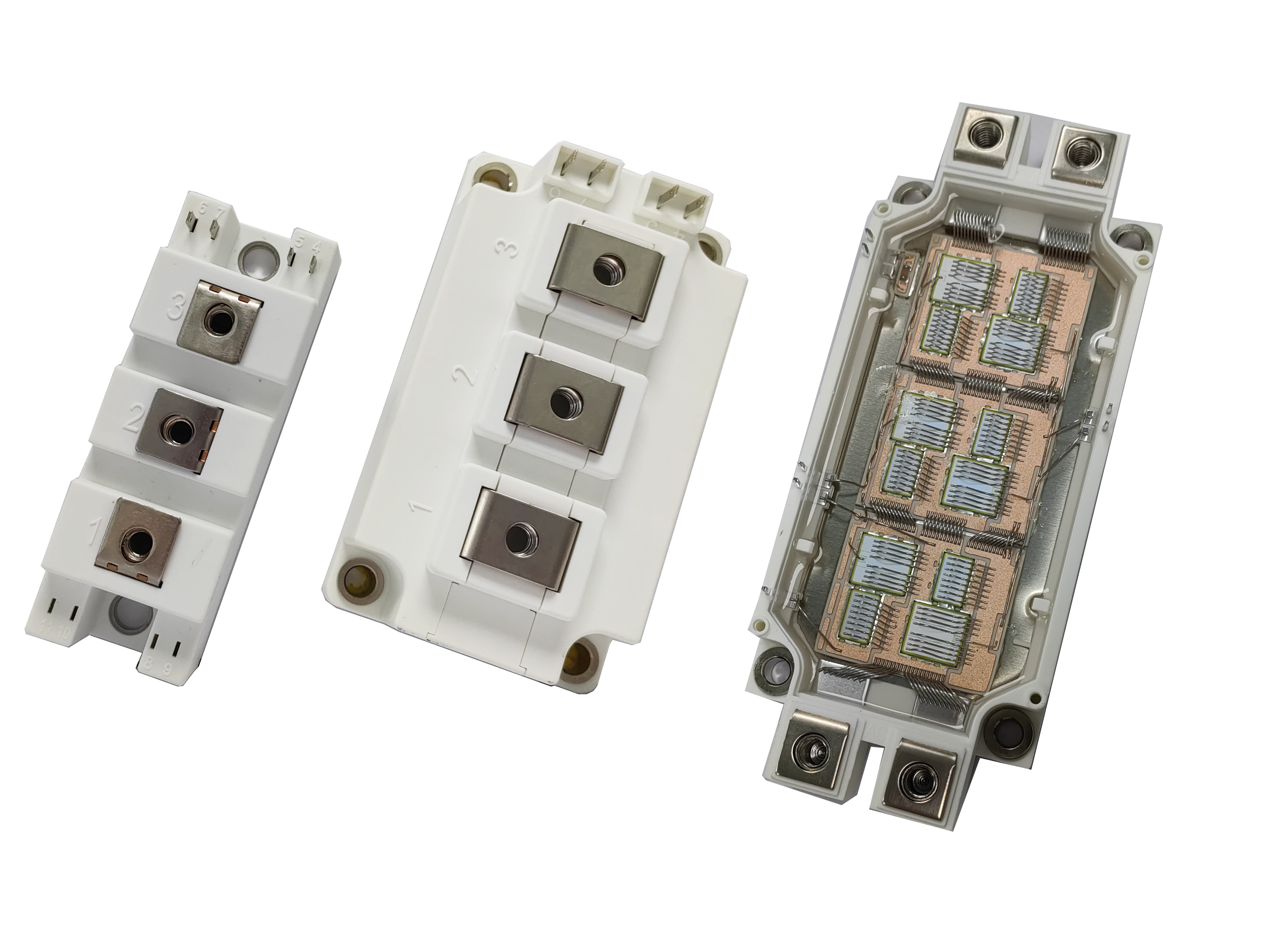
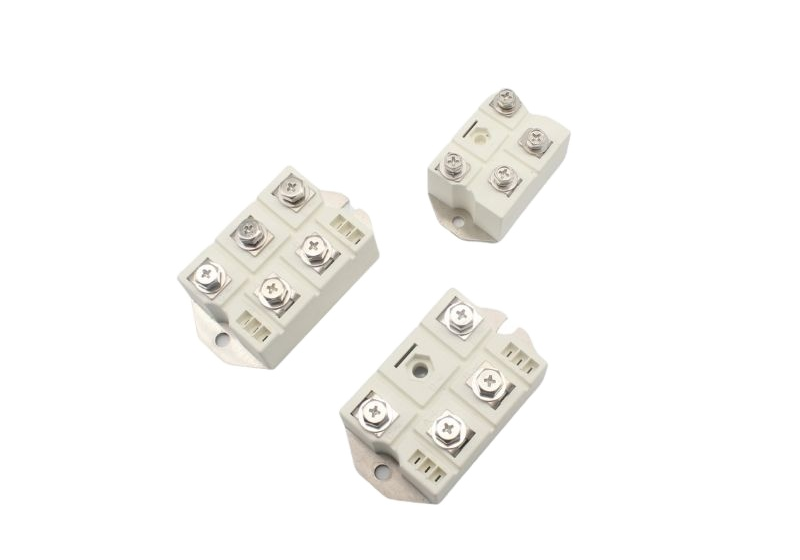
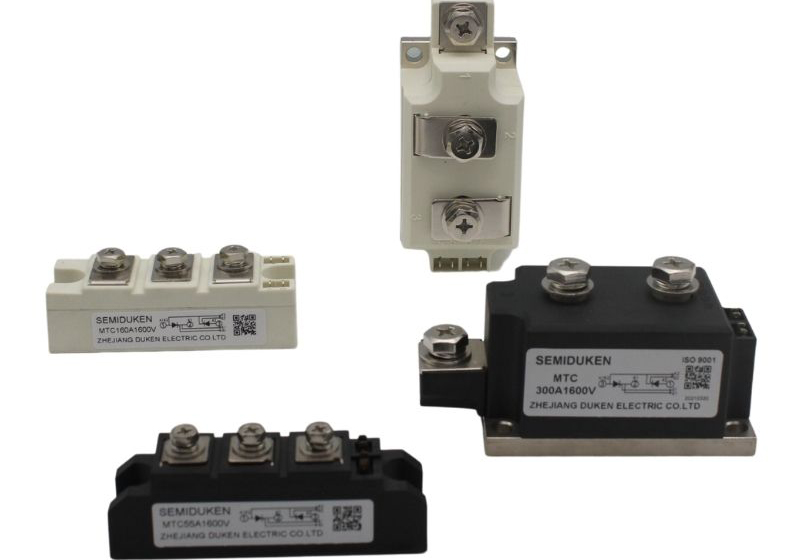
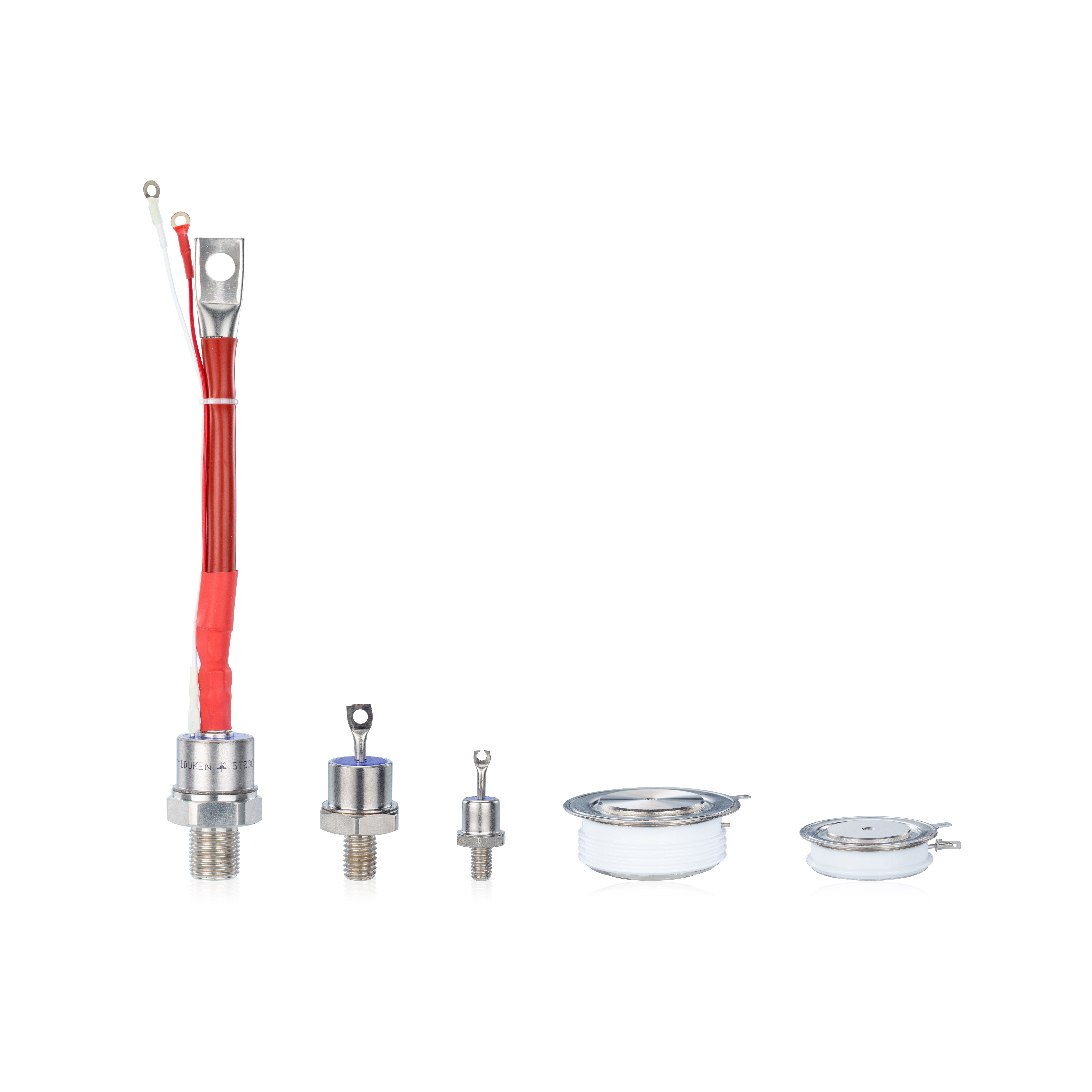
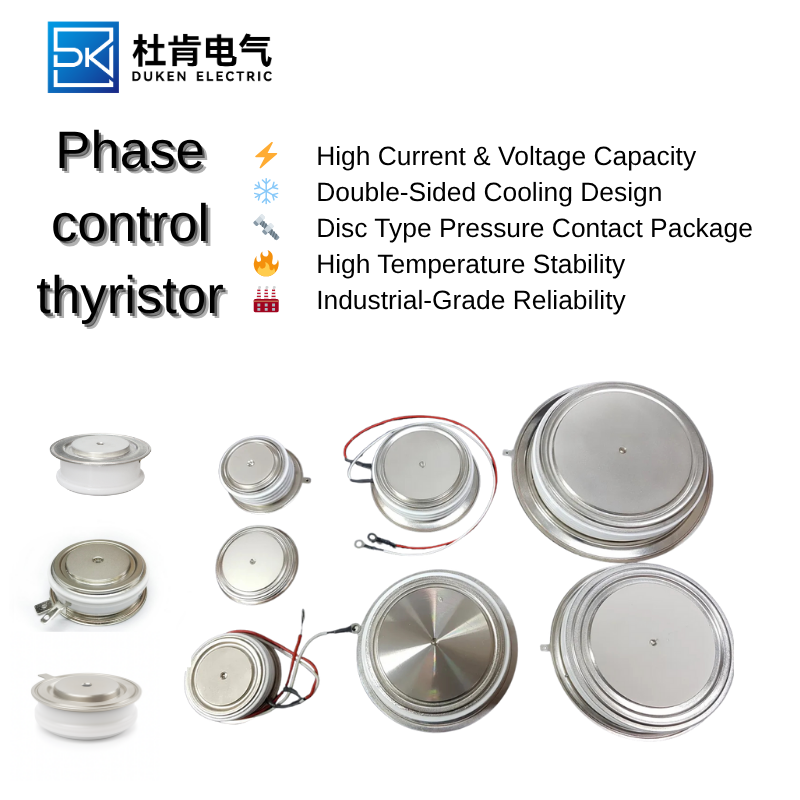
This is where robust insulation for high voltage high thermal stability 600A phase control thyristor becomes especially valuable. High thermal stability means the device remains electrically predictable under prolonged heat, while strong insulation performance supports safer integration into higher-voltage modules and crowded assemblies. Mechanical packaging also matters. Disc devices, stud types, and module packages each present different tradeoffs in cooling, maintenance, and busbar layout.
In harsh locations, temperature swings from winter startup to summer peak load can create repeated expansion and contraction. For that reason, gate trigger control extended temperature range (–40°C to +85 °C) 600A phase control thyristor is a relevant requirement for infrastructure, transport power electronics, and outdoor industrial equipment. Thermal cycling can influence not only conduction losses but also gate behavior, so extended-range validation gives more confidence in field reliability.
A practical selection method
A smart selection process starts by defining the real operating envelope rather than only the nominal target. Review line voltage, overload duration, expected surge events, cooling method, trigger circuit strength, and ambient temperature. Then compare candidate parts for switching consistency, surge margin, insulation construction, and thermal resistance. In applications with unstable mains or heavy inductive loads, gate trigger control high surge current rating 600A phase control thyristor deserves priority because transient survivability often determines service life.
For high-voltage and high-temperature assemblies, robust insulation for high voltage high thermal stability 600A phase control thyristor should move near the top of the checklist. In outdoor or variable-climate installations, gate trigger control extended temperature range (–40°C to +85 °C) 600A phase control thyristor becomes equally important. The best choice is the one that stays stable not only in ideal conditions, but also in the real electrical and thermal stress of the application.